The way people create, publish, and consume digital content is changing. Independent writers, journalists, bloggers, and creators no longer need to depend entirely on traditional media companies or social media platforms to share their ideas. With the right publishing strategy, anyone can build an independent online publication, develop a loyal readership, and create new opportunities through newsletters and membership content. However, building a successful publication requires more than simply launching a blog. It involves creating valuable content, establishing a consistent publishing workflow, distributing articles through email newsletters, and developing meaningful relationships with readers.
This is where Ghost becomes an interesting option. As an independent publishing platform, Ghost brings website publishing, email newsletters, audience management, and paid memberships together in one place. It allows creators to publish articles, communicate directly with subscribers, and offer premium content through membership plans. Instead of treating blogging and newsletters as separate activities, publishers can connect them as part of a single content strategy.
At Technology Moment, we explore practical technologies, digital tools, and strategies that help creators and professionals work smarter in an increasingly connected world. This guide explains how to build an independent publication with Ghost, from setting up a blog and developing an editorial workflow to distributing newsletters, growing an audience, and introducing paid memberships. Whether you are an aspiring publisher, an experienced blogger, or a creator exploring subscription-based content, you will discover practical ways to turn your publishing ideas into a sustainable digital publication.
What Is Independent Online Publishing and Why Does It Matter?
Independent online publishing is the process of creating, managing, and distributing digital content through a publication that operates under its own brand and editorial direction. Instead of depending entirely on traditional media organizations, third-party publishing platforms, or social media channels, independent publishers build their own websites, publish articles, communicate with readers, and develop their audiences directly. This approach gives writers, journalists, bloggers, and digital creators greater control over what they publish, how they communicate, and how they generate revenue from their work.
The growing interest in independent digital publishing reflects a change in how people consume information online. Readers increasingly discover useful content through blogs, email newsletters, specialist publications, and creator-led media platforms. At the same time, content creators are looking for ways to build stronger relationships with their audiences rather than relying only on unpredictable social media algorithms. An independent publication website provides a central place where readers can discover articles, subscribe to newsletters, and access exclusive content. It also allows publishers to develop a recognizable identity through their own domain, visual design, and editorial approach.
One of the biggest advantages of independent online publishing is content ownership. Publishers can organize their content, develop their own publishing strategy, and build an email subscriber list that supports long-term audience development. Instead of treating every article as an individual piece of content, they can connect blog publishing, newsletter distribution, and membership content into a consistent editorial workflow. For example, a technology writer could publish detailed tutorials on a blog, share important updates through an email newsletter, and provide advanced guides to paying members.
Independent publishing also creates opportunities for content monetization. Depending on their audience and business model, publishers can generate revenue through paid subscriptions, premium memberships, sponsorships, and other relevant offerings. However, building a sustainable digital publication takes time, valuable content, and consistent audience engagement. Success does not come simply from launching a website. It comes from understanding readers, publishing information they genuinely need, and developing a reliable relationship with them. This makes independent publishing an attractive option for creators who want to turn their knowledge, experience, and ideas into a long-term digital media business.
Why Choose Ghost as Your Independent Publishing Platform?
Choosing the right independent publishing platform is an important decision when building a publication around blogging, newsletters, and memberships. Managing these activities through separate tools can create additional work, increase operational complexity, and make it harder to maintain a consistent publishing experience. Ghost addresses this challenge by bringing website publishing, email newsletters, membership management, and paid subscriptions together within one publishing platform. It is an open-source content management system designed for professional publishers, independent writers, and creators who want to build an online publication around their content.
One reason creators consider Ghost is its combination of website design and publishing capabilities. Users can create a publication website, customize its appearance, organize content, and publish articles through its visual editor. The platform supports different content formats, including text, images, videos, audio, and embedded media. Publishers can also use themes and design settings to establish a consistent brand identity without building every part of their website from scratch. This makes Ghost useful for bloggers, independent journalists, technology publications, and newsletter-focused businesses.
Another important feature is built-in newsletter publishing. Instead of maintaining an entirely separate email newsletter platform, publishers can distribute eligible blog content directly to subscribers through email. Ghost also supports multiple newsletters, allowing publishers to organize different content streams according to reader interests and subscription preferences. This creates opportunities to connect website publishing with direct audience communication and develop a more consistent content distribution strategy.
Ghost memberships provide another reason to consider the platform. Publishers can allow visitors to register as free members or offer paid membership plans with access to premium content. This makes it possible to develop a subscription-based publishing model without treating website content and subscriber management as completely separate activities. Ghost also provides tools for managing members and understanding audience engagement.
Ghost is available as open-source software for self-hosting, while Ghost(Pro) offers a managed hosting option. These approaches serve different technical and operational needs, so publishers should consider hosting responsibilities, maintenance, customization, and costs before choosing. Overall, Ghost is worth considering for creators who want an independent publishing platform that connects blogging, newsletters, and memberships in a unified environment. Its value is particularly relevant when the goal is to build a publication and develop a direct relationship with readers over time.
How to Build an Independent Publication With Ghost
Building an independent publication with Ghost starts with a clear publishing purpose. Before creating a website, decide what subjects your publication will cover, who your ideal readers are, and what value your content will provide. A focused niche makes it easier to develop a recognizable identity and attract an audience interested in your work. For example, an independent publication could focus on technology, business, personal finance, education, digital marketing, or professional development. Understanding your target audience also helps you choose relevant topics, establish an editorial direction, and create content that addresses real reader interests.
Once the publication concept is ready, the next step is setting up the Ghost website. You can choose between Ghost(Pro), which provides managed hosting, and self-hosting the open-source platform, which gives you greater responsibility for server management and maintenance. After selecting your hosting approach, connect a custom domain that reflects your publication’s name and brand. A memorable domain helps establish a professional identity and gives readers a consistent destination for discovering your content. You can then select a suitable theme, customize your website’s appearance, configure navigation, and create essential pages such as About, Contact, Privacy Policy, and membership information.
The next stage is developing a practical content publishing workflow. Start by creating an editorial calendar that identifies upcoming topics, publishing dates, and content priorities. Use the Ghost editor to prepare articles, organize their structure, add relevant images, and review each post before publication. Focus on useful, original information rather than producing large amounts of content without a clear purpose. Search engine optimization should also be considered during content planning. Relevant keywords, descriptive headings, clear URLs, internal links, and helpful article descriptions can make your publication easier for search engines and readers to understand.
After establishing the blog, connect newsletter publishing with your regular content schedule. Configure your newsletter settings, create an effective signup experience, and decide what information subscribers should receive. You can distribute selected blog posts through email and develop additional newsletter content for readers who want more frequent updates. As your subscriber list grows, consider introducing free and paid memberships. Free members can receive general updates, while paying members may access specialized articles, exclusive resources, or other premium content.
Finally, focus on audience development and continuous improvement. Promote useful articles through relevant social media channels, encourage newsletter subscriptions, and listen to reader feedback. Monitor website traffic, email engagement, subscriber growth, and membership performance to understand which activities are producing meaningful results. Building a successful independent online publication is an ongoing process rather than a one-time website launch. By combining a clear niche, consistent publishing workflow, effective newsletter distribution, and valuable membership content, creators can gradually develop a sustainable publication with Ghost.
How to Create and Manage a Blog Publishing Workflow
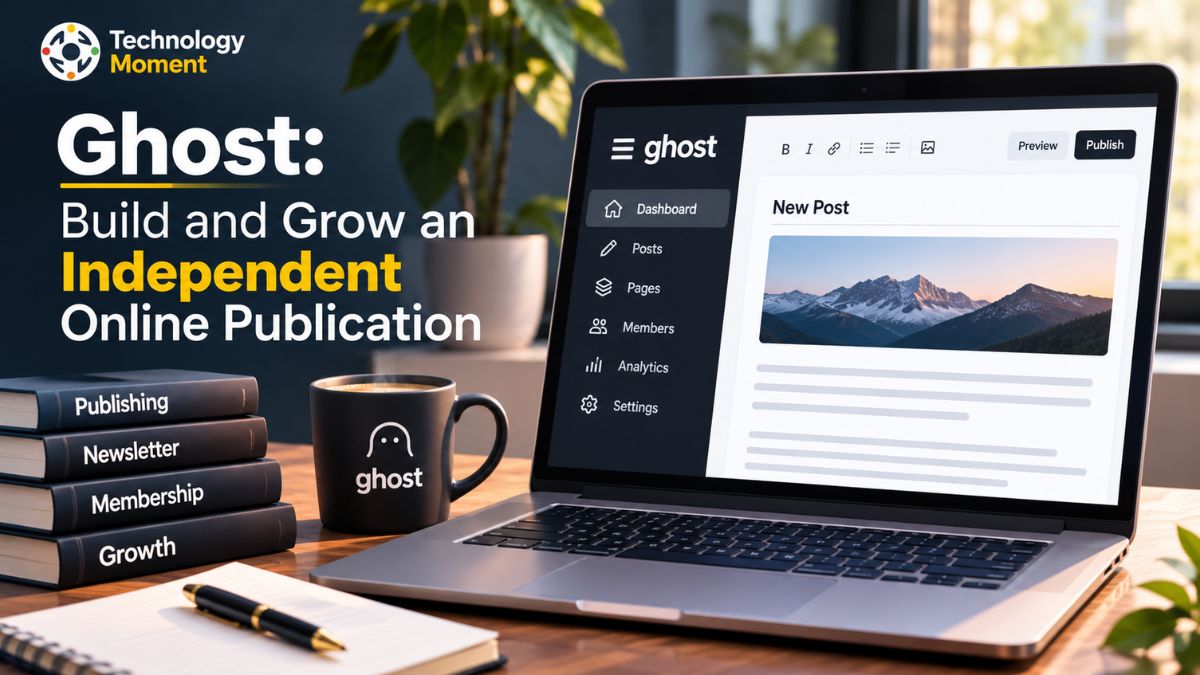
A consistent blog publishing workflow helps independent publishers create valuable content without making the publishing process unnecessarily complicated. When managing an independent publication, writers need a clear system for planning topics, researching information, writing articles, editing drafts, and publishing content on schedule. Ghost makes this process easier through its visual editor and built-in content management features. Publishers can create posts, organize articles with tags, add images and other media, and prepare content for publication from one dashboard.
The first step is developing an editorial calendar based on audience interests and publication goals. Identify the topics your readers frequently search for and organize them into relevant content categories. For example, a technology publication might cover artificial intelligence, software, cybersecurity, digital productivity, and emerging technologies. Planning topics in advance helps maintain a consistent publishing schedule and reduces the pressure of finding new ideas at the last minute.
Once the topics are selected, use the Ghost editor to create and format articles. Add descriptive headings, relevant images, internal links, and useful examples to improve the reading experience. Before publishing, review grammar, factual accuracy, keyword placement, formatting, and mobile readability. Ghost also provides preview and scheduling options, allowing publishers to review how content appears on different devices and schedule posts for future publication.
Another important part of content publishing is performance evaluation. Review which articles attract organic traffic, generate newsletter subscriptions, and encourage readers to explore additional content. Use these insights to improve future editorial decisions. A well-organized Ghost publishing workflow helps independent creators maintain content quality, manage their time, and develop a recognizable publication that readers can return to regularly.
How to Create and Distribute Email Newsletters With Ghost
Email newsletters are an important part of independent online publishing because they help creators communicate directly with readers. Unlike social media posts, which depend on platform algorithms and changing distribution rules, newsletters give publishers a direct channel for sharing articles, updates, recommendations, and exclusive information with subscribers. Ghost makes newsletter publishing easier by connecting website content with built-in email distribution. Publishers can create newsletter content, customize email designs, and deliver messages to selected groups of members without managing an entirely separate publishing workflow.
To get started, configure the newsletter settings in Ghost and establish a recognizable email identity using your publication name, logo, colors, and typography. Next, create a clear signup experience that explains what subscribers will receive and how frequently they can expect emails. A useful newsletter should provide consistent value rather than simply sending promotional messages. Publishers can share new blog articles, industry updates, practical tips, curated resources, or editorial insights according to their audience’s interests.
One useful feature of Ghost is the ability to choose how content is distributed. A publisher can publish an article on the website without emailing it, publish and email it simultaneously, or send an email without publishing the content as a public post. Ghost also supports sending newsletters to selected audience segments based on membership status, newsletter subscriptions, and member labels. This flexibility helps creators deliver more relevant content to different subscriber groups.
Before distributing a newsletter, preview its appearance on desktop and mobile devices and send a test email to check formatting, links, and subject lines. After sending, review available newsletter analytics, including opens and clicks, to understand reader engagement. Maintain a reasonable publishing frequency, use clear subject lines, and make unsubscribing straightforward. With a thoughtful email marketing strategy, newsletter distribution can become a reliable way to increase audience engagement, encourage repeat visits, and build a loyal readership.
How to Build Memberships and Publish Premium Content
Memberships allow independent publishers to develop a stronger relationship with readers while creating opportunities for recurring revenue. Instead of depending entirely on advertising or occasional sponsorships, a publication can offer valuable content through free and paid membership plans. Ghost includes built-in membership features that help publishers manage subscribers, organize access levels, and offer premium content. This makes it possible to develop a subscription-based publication without treating audience management and content publishing as completely separate activities.
The first step is deciding what readers will receive through each membership level. A free membership might provide access to public articles, regular newsletters, and selected resources. Paid memberships can offer additional benefits, such as exclusive articles, detailed research, specialist tutorials, downloadable materials, or members-only updates. These benefits should be based on genuine audience needs rather than simply placing a payment requirement around ordinary content. Readers are more likely to consider a subscription when they understand the additional value it provides.
After planning the membership structure, configure your membership options in Ghost. Publishers can create different paid subscription tiers, establish pricing, and connect supported payment processing through Stripe. Monthly and annual subscription options can give readers flexibility in choosing how they support a publication. Ghost also provides tools for managing members and controlling access to protected content.
However, launching a paid membership does not automatically create a successful business. Publishers need to communicate the benefits clearly, maintain consistent content quality, and give members a reason to remain subscribed. Welcome emails, exclusive updates, and regular communication can help improve the membership experience. It is also important to review subscription performance, cancellations, and reader feedback. By combining useful free content with meaningful premium offerings, independent publishers can gradually build a sustainable membership website and develop recurring subscription revenue.
How to Grow an Independent Publication Audience
Growing an independent publication audience requires more than publishing articles regularly. Publishers need a clear strategy for attracting new readers, encouraging newsletter subscriptions, and developing long-term relationships with their audience. Whether you are starting a new blog or expanding an established digital publication, audience development should be an ongoing part of your publishing workflow. The goal is not simply to increase website traffic but to attract people who genuinely value your content and are interested in returning for future updates.
Search engine optimization is one of the most useful ways to attract organic readers. Research relevant search terms, understand what your target audience wants to learn, and create informative articles that answer their questions. Use descriptive titles, meaningful headings, internal links, and clear article structures to make content easier to discover. Publishing detailed guides, practical tutorials, and original insights can also help establish your publication as a useful resource within its niche.
Social media provides another opportunity to introduce your content to new audiences. Share article highlights, short educational posts, visual summaries, and newsletter announcements on platforms where your readers are active. Instead of posting identical promotional messages everywhere, adapt the content to each platform and encourage meaningful discussions. Collaborations with other writers, relevant publications, and industry professionals can also introduce your work to interested readers.
Email subscriber growth should remain a central part of your audience-building strategy. Ghost provides signup tools that allow website visitors to become free or paid members. You can place subscription opportunities in relevant areas of your website and explain the benefits of joining your publication. Make the signup process simple and communicate what subscribers can expect from your newsletters.
Finally, measure your audience development efforts regularly. Monitor website traffic, subscriber growth, newsletter engagement, and membership conversions to understand which content and distribution channels perform well. Listen to reader feedback and use it to improve future articles and newsletters. Building a loyal readership takes consistency, patience, and useful content. By combining SEO, social media promotion, email marketing, and meaningful reader relationships, independent publishers can develop an audience that supports their publication over the long term.
How to Monetize an Independent Online Publication
Monetizing an independent online publication means turning valuable content and audience relationships into sustainable revenue. Instead of depending on a single income source, publishers can develop different monetization strategies based on their niche, readership, and content offerings. Ghost supports several publishing business models through its built-in membership and paid subscription features, making it possible to generate recurring revenue directly from readers.
One popular approach is paid newsletter subscriptions. Publishers can offer free newsletters to attract new readers and introduce paid plans for subscribers who want deeper insights, specialist information, or exclusive updates. Another option is premium membership content. For example, a business publication could provide free industry news while reserving detailed market analysis, downloadable reports, and expert guides for paying members. This creates a clear distinction between free and premium content while giving readers a reason to upgrade.
Publishers can also explore sponsorships, affiliate marketing, digital products, and educational resources when these options are relevant to their audience. A technology publication, for instance, might earn affiliate commissions by recommending software tools or offer downloadable professional guides. However, monetization should always support the publication’s editorial purpose. Excessive promotions or low-quality recommendations can weaken reader trust.
Subscription pricing is another important consideration. Monthly plans provide flexibility, while annual subscriptions can encourage longer-term commitments. Ghost connects paid subscriptions to Stripe and does not charge an additional platform transaction fee on supported paid subscription plans, although payment processing fees still apply. Successful content monetization depends on delivering consistent value. Start by understanding what readers need, test different membership benefits, and evaluate subscriber retention and recurring revenue. A sustainable digital media business develops when readers believe that the content and experience are worth paying for.
Ghost vs Substack vs WordPress: Which Publishing Platform Should You Choose?
Choosing between Ghost, Substack, and WordPress depends on your publishing goals, technical experience, budget, and desired level of control. All three platforms can support online publishing, but they approach blogging, newsletter distribution, audience development, and content monetization differently. Understanding these differences can help independent writers and publishers select a platform that supports their long-term plans.
| Comparison factor | Ghost | Substack | WordPress |
|---|---|---|---|
| Main purpose | Professional publishing | Newsletter and creator publishing | General website and content management |
| Blog publishing | Built-in | Built-in | Built-in |
| Email newsletters | Built-in | Built-in | Usually requires an email service or plugin |
| Paid memberships | Built-in | Built-in | Usually requires a membership plugin or service |
| Website customization | High | Limited | Very high |
| Custom domain | Supported | Supported; additional fee may apply | Supported |
| Content management | Built-in editor and tags | Newsletter-focused publishing | Extensive CMS capabilities |
| SEO capabilities | Built-in SEO tools | Basic publishing SEO capabilities | SEO plugins and built-in options depending on setup |
| Integrations | Extensive integrations | More limited ecosystem | Large plugin and integration ecosystem |
| Hosting | Ghost(Pro) or self-hosting | Hosted platform | Self-hosted or managed hosting |
| Platform transaction fee | 0% on supported paid subscriptions | 10% of paid subscription revenue | Depends on payment and plugin providers |
| Best suited for | Independent publications and membership businesses | Writers starting newsletter-led publications | Blogs, businesses and complex websites |
Ghost is a strong option for publishers who want a branded website, email newsletters, and paid memberships in one environment. Its open-source foundation also provides greater flexibility for customization and hosting choices.
Substack is useful for writers who want to start publishing newsletters without managing website hosting or technical setup. Its discovery-oriented publishing environment can help creators reach readers, although its paid subscription model includes a 10% platform fee in addition to payment processing fees.
WordPress is suitable for publishers who need extensive website customization, different content types, and a large plugin ecosystem. However, newsletter distribution and advanced membership functionality may require additional tools, plugins, and maintenance.
There is no universally best platform. Choose Ghost for an integrated independent publication, Substack for a straightforward newsletter-first approach, and WordPress for broader website flexibility.
Best Practices for Building a Sustainable Independent Publication
Building a sustainable independent publication requires a long-term approach to content quality, audience relationships, and business management. Launching a blog or newsletter is only the beginning. Publishers need a reliable strategy that keeps readers interested, encourages subscriptions, and supports consistent publishing without creating unnecessary operational pressure. Start by choosing a clear niche and understanding your target audience. A focused publication can develop a recognizable identity and attract readers with specific interests.
Instead of covering every trending subject, concentrate on topics where you can provide useful information, original perspectives, and practical insights. This makes editorial planning easier and helps establish trust over time. Consistency is another important factor. Create a realistic editorial calendar that matches your available resources. Publishing two valuable articles each week may be more sustainable than attempting to publish every day and struggling to maintain quality. Connect your blog publishing workflow with newsletter distribution so readers can receive regular updates without needing to revisit your website constantly.
Develop a balanced content strategy that includes both free and premium material. Free articles help attract new readers through search engines and social media, while exclusive resources can provide additional value to paying members. However, premium content should offer meaningful benefits rather than simply restricting access to ordinary information. Listen to subscriber feedback and regularly review your membership offerings. Audience ownership should also be a priority. Build an email subscriber list, maintain clear subscription preferences, and avoid relying entirely on third-party social media platforms for distribution.
Use SEO, partnerships, and relevant social channels to attract readers while developing direct communication through newsletters. Finally, monitor important performance indicators such as organic traffic, newsletter engagement, subscriber growth, membership conversions, and cancellations. These measurements can reveal what is working and where improvements are needed. A sustainable independent publishing business is built through continuous learning, responsible monetization, and a genuine commitment to serving readers.
Frequently Asked Questions About Independent Online Publishing With Ghost
Is Ghost Good for Independent Publishing?
Yes. Ghost is suitable for independent publishers who want website publishing, email newsletters, and paid memberships in one platform. It offers content management, audience tools, and subscription features. It is particularly useful for writers and creators who want greater control over their publication’s branding and monetization.
Can I Run a Blog and Newsletter Together on Ghost?
Yes. Ghost allows publishers to maintain a website and distribute selected articles through email newsletters. You can also create separate newsletters for different audience interests. This makes it easier to manage blog content and email communication as part of one publishing workflow.
Can You Make Money With Ghost?
Yes. Publishers can generate income through paid subscriptions, premium memberships, and other relevant business models, including sponsorships and affiliate marketing. However, revenue depends on audience size, content quality, pricing, and reader willingness to pay. Ghost provides publishing and membership tools rather than guaranteed earnings.
How Do Independent Publishers Make Money?
Independent publishers can earn through paid newsletters, membership subscriptions, sponsorships, affiliate marketing, digital products, and educational resources. Many combine multiple revenue streams to reduce dependence on a single source. Providing valuable content and maintaining reader trust are essential for long-term monetization.
How Do I Get My First 100 Newsletter Subscribers?
Start by publishing useful content for a clearly defined audience. Add visible newsletter signup forms to your website, share articles on relevant social media channels, and encourage interested readers to subscribe. You can also collaborate with other creators and offer valuable newsletter resources to attract your first subscribers.
Which Publishing Platform Is Best for Independent Writers?
The best platform depends on your goals. Ghost suits writers who want a branded publication with newsletters and memberships. Substack is convenient for newsletter-focused creators, while WordPress offers extensive website customization. Compare pricing, publishing features, technical requirements, and ownership preferences before making a decision.