If you’ve been searching for a simple guide to XR devices innovations, you’re in the right place. At Technology Moment, we break down complex tech into easy, real-life insights you can actually use. XR, or Extended Reality, is not just a buzzword anymore—it’s becoming part of everyday life. From smart glasses that guide you on the street to virtual spaces where people work together, XR is changing how we see and interact with the world. The best part? This guide keeps things clear, simple, and useful.
So, what exactly are XR devices, and why are they trending right now? XR combines Augmented Reality (AR), Virtual Reality (VR), and Mixed Reality (MR) into one powerful ecosystem. Imagine wearing lightweight glasses that show directions right in front of your eyes or joining a meeting where your teammates appear as lifelike avatars. That’s not the future—it’s already happening. The rise of affordable XR headsets, AI-powered smart glasses, and immersive digital experiences is pushing this technology into the mainstream. Companies are investing heavily, and users are quickly adopting these tools because they save time and make life easier.
One of the biggest reasons behind the surge in XR device adoption worldwide is its practical use across industries. In education, students can explore 3D models instead of reading boring textbooks. In healthcare, doctors train using realistic simulations without risk. Even in remote work, XR creates virtual offices where teams feel more connected. These real-world use cases show that XR is not just cool—it’s useful. If you’re someone looking for future-ready tech skills or digital transformation trends, XR is something you cannot ignore.
Now let’s talk about why this matters to you. Whether you are a student, a content creator, or someone building a career in tech, understanding how XR devices are transforming industries gives you a big advantage. Think about it like the early days of smartphones. Those who learned early got ahead. The same is happening now with XR. At Technology Moment, we focus on helping you stay ahead by explaining not just what’s happening, but how you can benefit from it. From choosing the right XR device to understanding its impact on jobs and businesses, everything starts with a strong foundation.
As we move deeper into this guide on XR innovations shaping the future of technology, you’ll discover how these devices are changing gaming, shopping, healthcare, and even daily communication. Each section will give you clear examples, real benefits, and practical insights you can apply. XR is no longer optional—it’s becoming essential. And if you want to stay relevant in today’s fast-moving digital world, now is the perfect time to understand it.
What Are XR Devices? A Beginner-Friendly Explanation
XR devices, short for Extended Reality devices, bring digital content into your real world or take you into a fully virtual one. You can think of XR as a mix of three technologies—Augmented Reality (AR), Virtual Reality (VR), and Mixed Reality (MR). AR adds digital layers to your real surroundings, like filters on your phone. VR places you inside a completely virtual world, where everything you see is computer-generated. MR sits in between, letting real and virtual objects interact with each other in real time.
If you are new to this space, don’t worry—it’s easier than it sounds. Imagine wearing smart glasses that show directions while you walk or using a headset that lets you attend a meeting in a virtual office. That’s XR in action. These devices use cameras, sensors, and AI to understand your environment and respond to it. The goal is simple: make digital experiences feel natural and useful in daily life.
What makes XR devices exciting today is how human-friendly they have become. Earlier, they felt bulky and hard to use. Now, they are lighter, faster, and smarter. You don’t need technical skills to use them. Just wear them and interact like you normally would. This shift is why XR is gaining attention across the world, from students to professionals.
XR Market Growth and Future Potential
The XR market growth story is one of the most exciting trends in tech right now. More companies are investing in XR because they see its real-world value. Industries like education, healthcare, gaming, and retail are using XR to improve user experience. This is not just a trend—it is becoming a core part of digital transformation.
One big reason for this growth is accessibility. XR devices are becoming more affordable and easier to use. Earlier, only tech enthusiasts used them. Now, everyday users are adopting them for work, learning, and entertainment. With faster internet and better hardware, XR experiences feel smooth and realistic. This creates demand in both developed and emerging markets.
Looking ahead, the future of XR devices looks strong and promising. Experts believe XR will blend into daily life just like smartphones did. You may soon replace your laptop screen with a virtual workspace or shop online using 3D previews. Businesses are also exploring XR for training and remote collaboration. This shows how XR is not just growing—it is reshaping how we interact with technology.
Innovation #1 – AI-Powered Smart Glasses
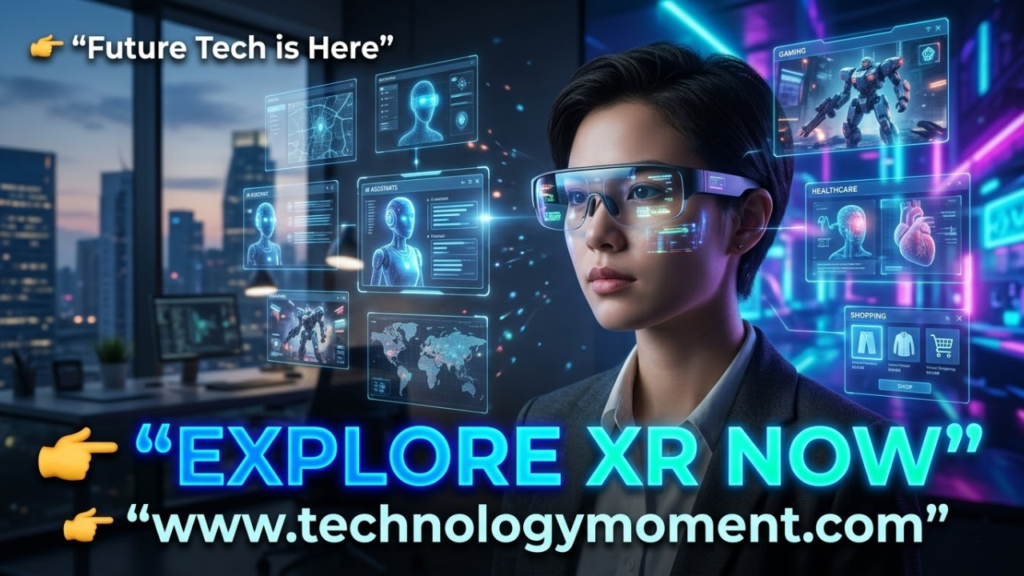
AI-powered smart glasses are changing how we see and interact with the world. These devices combine XR with artificial intelligence to give real-time information. Imagine walking into a new city and getting directions, translations, or recommendations instantly in your view. That’s the power of smart glasses today.
What makes these glasses special is their ability to understand context. They can recognize objects, faces, and locations. This allows them to provide useful insights without you asking for them. For example, they can remind you of tasks, show messages, or even help you during conversations. It feels like having a personal assistant right in front of your eyes.
Another big advantage is convenience. You don’t need to check your phone again and again. Everything appears in your field of vision. This hands-free experience is useful for professionals, travelers, and even students. As AI continues to improve, these smart glasses will become more accurate and personalized, making them a key part of future XR devices.
Innovation #2 – Mixed Reality Headsets
Mixed Reality headsets take XR to a whole new level by blending real and virtual worlds. Unlike VR, where you are fully inside a digital space, MR lets you stay aware of your surroundings. At the same time, it adds interactive digital objects into your real environment. This creates a powerful and immersive experience.
Imagine sitting in your room and seeing a virtual screen floating in front of you. You can move it, resize it, and interact with it using gestures. That’s how MR headsets work. They use advanced sensors and cameras to map your environment and place digital elements accurately. This makes interactions feel natural and real.
These headsets are becoming popular in both work and entertainment. Professionals use them for design, training, and remote collaboration. Gamers enjoy more immersive gameplay that blends with their surroundings. As technology improves, MR headsets will become lighter and more affordable. This will make them accessible to a global audience and expand their use in everyday life.
Innovation #3 – XR in Healthcare Training
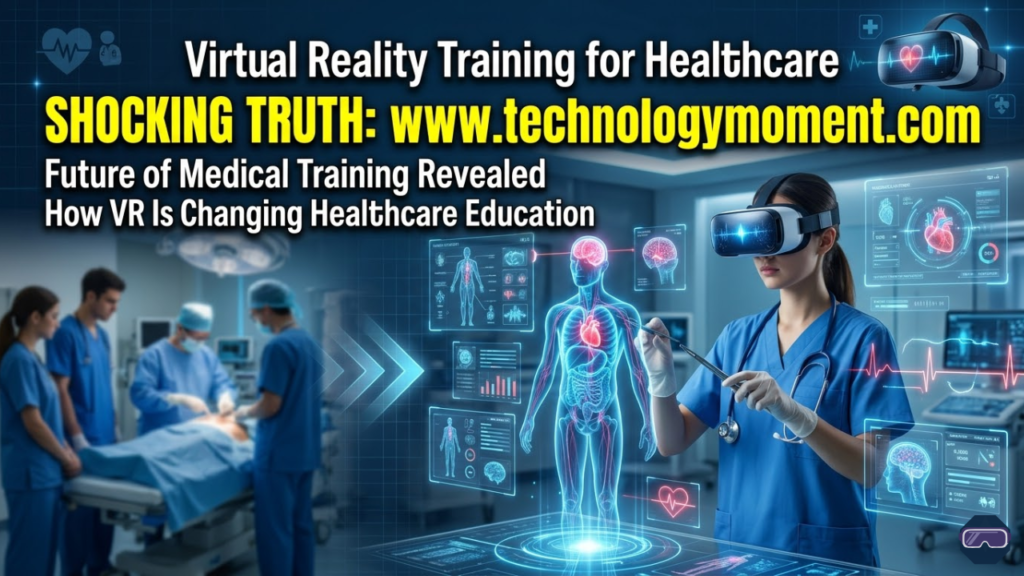
One of the most impactful uses of XR devices is in healthcare training. Doctors and medical students can now practice procedures in a safe and controlled environment. XR simulations allow them to learn without risking patient safety. This improves both confidence and skill levels.
These training systems are highly realistic. They can simulate surgeries, emergencies, and complex medical scenarios. Learners can repeat procedures multiple times until they get them right. This kind of hands-on practice was not possible before without real-world risks. XR makes learning faster, safer, and more effective.
Another benefit is accessibility. Medical training can now reach remote areas where resources are limited. Students can learn from global experts through virtual sessions. This helps improve healthcare standards worldwide. As XR technology continues to evolve, it will play a bigger role in saving lives and improving medical education.
Innovation #4 – Remote Collaboration and Workflow with XR, innovation
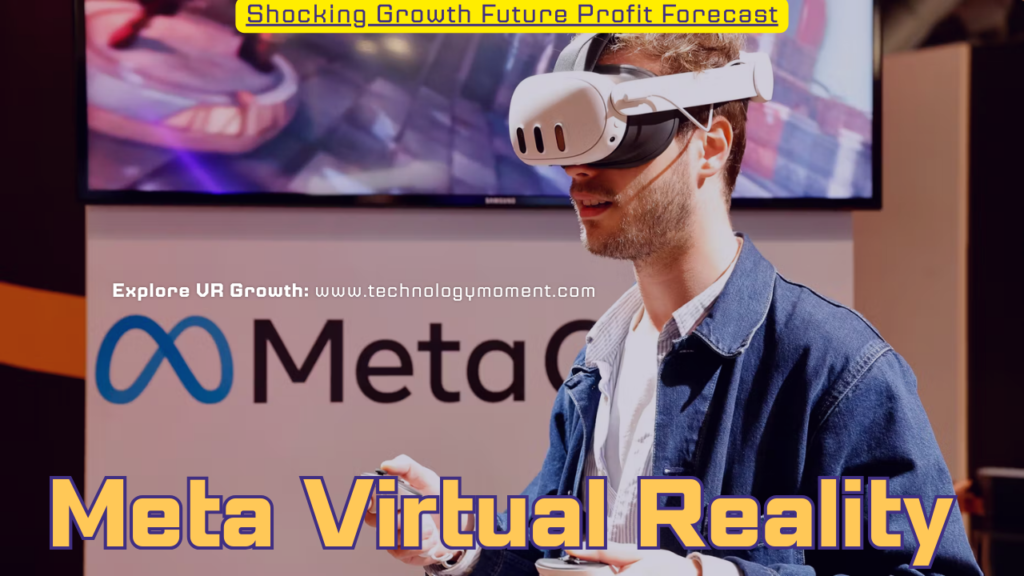
Remote work has changed fast, but XR is taking it to a whole new level. Instead of staring at flat screens all day, you can step into a shared virtual space that feels real and alive. With devices like the Apple Vision Pro or Meta Quest 3, you can sit in a virtual meeting room, see life-size avatars, and interact as if everyone is in the same place. It feels less like a video call and more like a real conversation. This shift is huge for global teams that work across time zones and cultures.
Think about how this helps you focus. In XR, you can open multiple screens around you without needing a physical monitor. You can design, code, or present in a distraction-free digital workspace. Many companies now use XR for virtual offices, remote collaboration tools, and immersive productivity environments. This means fewer emails, fewer misunderstandings, and faster decisions. You are not just talking—you are experiencing ideas together.
There is also a strong emotional impact. Remote work often feels lonely, but XR brings back that human connection. You can read body language, move around, and even collaborate on 3D objects in real time. This is especially useful in industries like architecture, product design, and engineering. Teams can build and test ideas together without being in the same room.
As internet speeds improve and XR devices become lighter, this trend will grow even faster. And if you want to stay ahead, understanding XR collaboration tools for remote teams is no longer optional.
Innovation #5 – XR in Education
Education is going through a quiet revolution, and XR is at the center of it. Imagine learning history not by reading a textbook but by walking through ancient cities. With XR, students can explore places, objects, and concepts in a way that feels real. Tools powered by Google and Microsoft are already making immersive learning environments more common across schools and universities worldwide.
This is not just about fun—it improves understanding. When you see and interact with something, your brain remembers it better. A biology student can explore the human body in 3D. A physics student can watch experiments happen in real time without risk. This makes complex topics simple and engaging. It also helps students who struggle with traditional learning methods.
Teachers also benefit a lot. XR gives them tools to create interactive lessons that keep students engaged. Instead of one-way lectures, classes become two-way experiences. Students ask more questions, explore more deeply, and stay interested for longer. This is why many experts believe XR will shape the future of digital classrooms and online education platforms.
There is also a global impact. XR can bring quality education to remote areas where resources are limited. A student in a small town can access the same immersive lessons as someone in a big city. This creates equal opportunities and breaks barriers. XR is not just improving education—it is making it more inclusive.
Innovation #6 – Entertainment and Gaming’s XR Invention
Gaming was one of the first industries to adopt XR, but what we see today is far more advanced than before. With modern devices like PlayStation VR2, players are no longer just controlling characters—they are inside the game. You can move, react, and interact with the environment in real time. It feels intense, personal, and incredibly real.
Entertainment is also expanding beyond gaming. XR is now used in virtual concerts, live events, and interactive storytelling. Artists like Travis Scott have already hosted virtual concerts where millions of fans joined from around the world. This creates a new kind of experience where physical limits do not matter. You can attend events without leaving your home.
Another exciting trend is social XR entertainment. You can hang out with friends in virtual worlds, watch movies together, or explore digital spaces as a group. It blends gaming with social media, creating a new form of connection. This is especially popular among younger audiences who want more interactive experiences.
The future looks even bigger. Developers are now working on hyper-realistic worlds powered by AI and advanced graphics. These experiences will feel closer to reality than ever before. XR is not just changing gaming—it is redefining how we experience entertainment itself.
Innovation #7 – XR in Retail & E-Commerce
Shopping online is convenient, but it often lacks confidence. You cannot try products before buying them. XR powerfully solves this problem. With tools from companies like Amazon and IKEA, you can now use virtual try-ons and AR shopping experiences to see how products look in real life. This makes online shopping smarter and more reliable.
XR allows you to see how an outfit fits your body in real time. You can also place furniture in your room using AR and check if it matches your space. This reduces returns and improves customer satisfaction. People feel more confident when they know what they are buying.
Brands are also using XR to create immersive shopping experiences. Instead of browsing a simple website, you can walk through a virtual store, explore products, and interact with them. This makes shopping more engaging and fun. It also helps brands stand out in a competitive market.
As e-commerce continues to grow, XR will play a key role in shaping its future. If you are running a business or planning to start one, understanding XR in e-commerce and virtual shopping technology can give you a strong advantage.
Innovation #8 – AI + XR Integration
When XR meets AI, things become truly powerful. XR creates immersive environments, and AI makes them smart. Together, they deliver experiences that feel personal and intuitive. Devices powered by companies like NVIDIA and OpenAI are already combining these technologies to create AI-driven immersive experiences.
Think about this—your XR device can understand your behavior, preferences, and surroundings. It can adjust content in real time to match your needs. For example, in a virtual workspace, AI can organize your tools, suggest actions, and even automate tasks. This saves time and improves productivity.
In education, AI + XR can create personalized learning paths. In gaming, it can generate dynamic worlds that change based on your actions. In healthcare, it can assist doctors with real-time data during procedures. The possibilities are endless because AI adds intelligence to immersive environments.
This combination also makes XR more accessible. Voice commands, gesture control, and smart assistants make it easier for people to use these devices. You do not need technical skills to get started. That is the real power of AI + XR.
As this technology evolves, we will see even deeper integration. XR will not just show you a digital world—it will understand and respond to you. And that is where the future truly begins.
Challenges Facing XR Devices
When we talk about XR devices’ challenges, the first thing that comes to mind is cost. Let’s be honest—most high-quality XR headsets and smart glasses are still expensive for everyday users. While prices are slowly dropping, premium devices remain out of reach for many people around the world. This creates a gap where only early adopters or tech enthusiasts get full access, while the majority are still watching from the sidelines. If XR truly wants to go global, it must become as affordable as smartphones.
Another big issue is comfort and usability. Many users complain that wearing XR headsets for long periods feels tiring or even uncomfortable. Devices can be bulky, heat up quickly, and sometimes cause eye strain or motion sickness. This is especially true in virtual reality gaming and immersive work environments, where users stay inside the experience for hours. If people cannot use XR comfortably every day, it becomes hard for the technology to become a part of daily life.
Privacy and data security also raise serious concerns. XR devices collect a lot of personal data, including eye movements, location, voice, and even behavioral patterns. That sounds useful, but it can also feel invasive. Many users worry about how this data is stored and who has access to it. As AI-powered XR devices become smarter, the risk grows. Companies must build strong trust systems and clear policies, or users may hesitate to adopt the technology fully.
Finally, there is the challenge of content and ecosystem. XR devices need high-quality apps, games, and tools to stay useful. Right now, the content library is still growing. Developers are exploring new ideas, but it takes time to build a strong ecosystem. Without engaging content, even the best XR hardware feels limited. It’s like buying a smartphone with no apps—you quickly lose interest.
Future of XR Devices
Now let’s talk about where things are heading. The future of XR devices looks incredibly exciting, and honestly, we are just getting started. One major trend is the shift toward lightweight and wearable tech. Soon, XR glasses may look just like regular sunglasses but offer powerful features like navigation, translation, and real-time assistance. This will make XR more natural and socially acceptable in everyday life.
Another big change is the deep integration of AI with XR technology. Imagine wearing smart glasses that understand your surroundings and give instant suggestions. For example, you walk into a new city, and your device shows directions, restaurant reviews, and even language translation in real time. This is not science fiction anymore—it’s already being tested. AI will make XR more personal, adaptive, and useful.
We will also see massive growth in XR applications in remote work, education, and healthcare. Virtual offices will feel more real, allowing teams to collaborate from different parts of the world as if they are in the same room. Students will explore history, science, and space in immersive environments instead of reading static textbooks. Doctors will train using realistic simulations that improve skills without risk. XR will not replace reality—it will enhance it.
Looking ahead to 2030, XR could become as common as smartphones. With faster internet like 5G and beyond, better hardware, and more creative content, the experience will become smoother and more accessible. The line between physical and digital worlds will blur, creating a new way of living, working, and connecting.
Conclusion
XR devices are not just another tech trend; they represent a major shift in how we interact with the world. From immersive gaming and virtual workspaces to healthcare training and smart shopping, XR is already changing multiple industries. What makes it powerful is its ability to blend digital experiences with real life in a seamless way. It brings information closer to us, making it more interactive and meaningful.
At the same time, challenges like cost, comfort, and privacy cannot be ignored. These issues are real, and they need smart solutions. The good news is that technology evolves fast. What feels like a limitation today often becomes an opportunity tomorrow. Companies are investing heavily in solving these problems, and progress is happening faster than ever.
If you’re someone who follows emerging tech trends, XR is something you should watch closely. It’s not just for developers or gamers anymore—it’s for everyone. As devices become simpler and more affordable, more people will start using them in daily life.
So, the question is not whether XR will grow. The real question is how fast it will become a part of your life. And judging by current trends, that future is nearer than you think.
FAQs
What are XR devices used for in real life?
XR devices are used in many ways today, from virtual meetings and online learning to gaming and healthcare training. They help people experience things in a more interactive way. For example, students can explore a 3D model of the human body, and workers can attend meetings in virtual offices. The goal is to make experiences more engaging and realistic.
Are XR devices safe to use daily?
Yes, XR devices are generally safe, but moderation is important. Long usage can cause eye strain or discomfort, especially with older devices. Newer models focus on comfort and better display quality. Taking breaks and using devices properly can help reduce any risks.
What is the difference between AR, VR, and MR?
AR adds digital elements to the real world, VR creates a fully virtual environment, and MR mixes both worlds together. Each has its own use case. For example, AR is great for navigation, VR is ideal for gaming, and MR works well in professional training.
Will XR replace smartphones?
XR may not fully replace smartphones, but it could reduce our dependence on them. Many features, like messaging, navigation, and browsing, can be done through smart XR glasses. Over time, people may use phones less and rely more on wearable devices.
How can beginners start using XR technology?
Beginners can start with affordable VR headsets or basic AR apps on smartphones. This helps them understand how XR works without spending too much money. As they get comfortable, they can explore advanced devices and more immersive experiences.