The workplace is changing faster than ever, and companies are searching for smarter ways to train their teams. At Technology Moment, we explore how modern tools can transform everyday business challenges into powerful opportunities. One of the most exciting innovations today is VR simulation platforms for employee training. These platforms allow workers to learn in a safe, interactive virtual environment rather than relying solely on manuals or long classroom sessions. Imagine practicing real job scenarios without real-world risks—this is the power of virtual reality training technology. Businesses across industries are discovering that immersive learning can boost confidence, improve skills, and make training far more engaging than traditional methods.
Today’s organizations need training methods that are fast, practical, and easy to scale globally. That’s where immersive VR training solutions for corporate learning stand out. Instead of watching videos or slides, employees step into a virtual world where they can practice real tasks. For example, a retail worker can learn how to handle difficult customers, while a factory technician can practice operating complex equipment. These virtual training simulations for workforce development help employees learn by doing, which improves memory and skill accuracy. Research shows that immersive learning can significantly increase knowledge retention because people remember experiences far better than instructions.
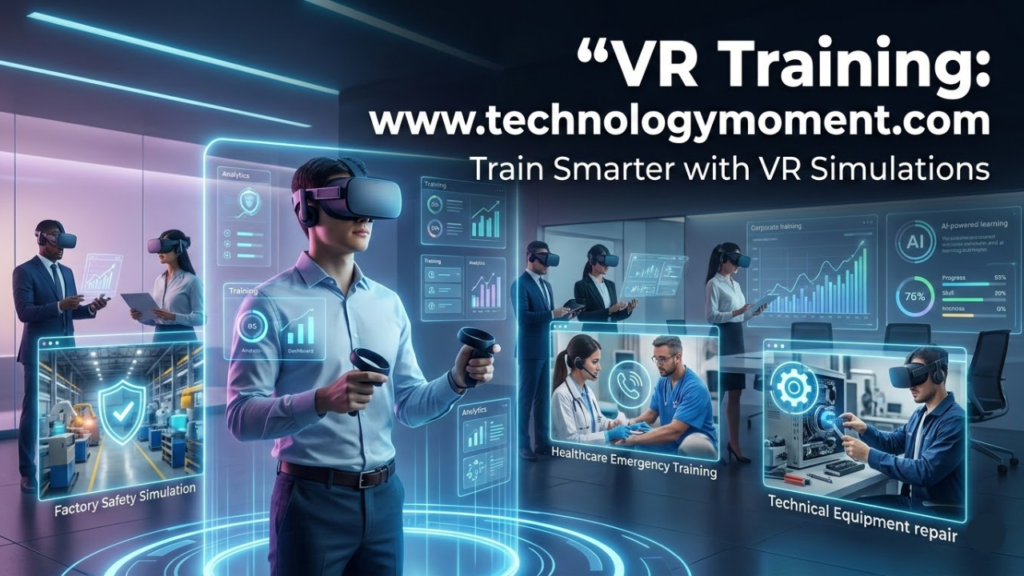
Another major advantage of virtual reality employee training platforms is safety. Many industries—like healthcare, aviation, construction, and manufacturing—deal with high-risk environments. Training in real situations can be expensive and dangerous. VR addresses this challenge by creating realistic scenarios in which mistakes become learning opportunities rather than costly accidents. For example, a medical student can practice surgery in a virtual operating room, while a pilot trainee can simulate emergency landings. These VR safety training simulations for high-risk jobs help employees gain confidence before they ever step into the real workplace.
Companies are also discovering the cost benefits of scalable VR corporate training programs. Traditional training often requires travel, instructors, equipment, and physical training spaces. Virtual reality reduces many of these expenses because the same simulation can train hundreds or even thousands of employees worldwide. Businesses can update training modules quickly as technology or policies change. This flexibility makes enterprise VR learning platforms for employee development an attractive investment for organizations that want efficient and future-ready training systems.
At Technology Moment, we believe the future of professional development will be immersive, interactive, and technology-driven. VR simulation platforms are not just a trend—they represent a shift in how people learn at work. From improving employee engagement to reducing training costs and increasing workplace safety, the benefits are hard to ignore. As we explore the topic “VR Simulation Platforms for Employee Training: Shocking Wins,” you’ll discover how companies around the world are using immersive technology to unlock faster learning, smarter teams, and stronger business results. The era of passive training is fading, and VR-powered learning experiences are quickly becoming the new global standard.
Why VR Training Is Exploding in Modern Workplaces
Walk into a modern workplace today, and you will notice something interesting. Training rooms are slowly changing. Instead of long PowerPoint sessions or boring manuals, employees are putting on VR headsets and entering immersive learning environments. This shift is happening because companies want training that actually works. Traditional methods often struggle to hold attention, and many employees forget what they learn within days. VR training platforms for employee training solve this problem by turning learning into an experience rather than a lecture.
Think about how humans naturally learn. We remember things better when we do them ourselves. If you read about riding a bicycle, you might understand the theory, but you only learn after trying it. VR works in the same way. Employees can practice tasks, make mistakes, and try again inside a safe virtual environment. A warehouse worker can practice operating equipment. A customer support agent can handle difficult customers. A surgeon can perform procedures without any real-world risk. This hands-on approach makes the learning process faster and more effective.
Another major reason behind the growth of virtual reality corporate training solutions is the modern workforce itself. Many employees today prefer interactive learning instead of static content. Younger generations especially expect digital experiences that feel engaging and modern. Instead of reading instructions, workers step inside simulated workplaces that feel realistic. This sense of presence creates emotional involvement, and emotional involvement improves learning retention dramatically.
Companies also benefit from measurable outcomes. Training managers can track employee performance inside VR simulations. They can see how long a trainee takes to complete tasks, where mistakes happen, and how skills improve over time. This data-driven approach allows businesses to continuously improve their training programs. Because of these advantages, VR employee training platforms are rapidly becoming a key part of modern workforce development strategies.
Global Adoption Trends in VR Employee Training
The adoption of VR training is no longer limited to tech companies. Organizations across industries are embracing immersive learning technologies. From healthcare and aviation to retail and manufacturing, businesses are exploring VR simulation training platforms to improve employee skills. What started as an experimental technology has now become a strategic investment for global enterprises.
One major trend driving adoption is the need for scalable training. Large companies often hire thousands of employees every year across different locations. Traditional training methods require instructors, physical training spaces, and travel costs. VR eliminates many of these barriers. A single virtual training program can be used by employees across the world. Whether someone is in New York, Berlin, or Tokyo, the training experience remains consistent and standardized.
Another important trend is the rise of remote work and distributed teams. Many organizations now operate with employees spread across multiple countries. Training these teams using physical classrooms is difficult and expensive. Immersive VR training platforms for remote employees allow companies to train people anywhere without compromising quality. Employees can simply wear a headset and enter a shared virtual environment where they learn together.
Industries that involve safety risks are also adopting VR rapidly. Construction companies use simulations to teach workers how to handle dangerous equipment. Airlines train pilots and cabin crew using realistic emergency scenarios. Hospitals simulate medical procedures for doctors and nurses. These industries value VR because it allows employees to practice high-risk situations safely. As technology becomes cheaper and more accessible, global VR training adoption continues to grow at an impressive pace.
What Are VR Simulation Platforms for Employee Training
Before diving deeper, it helps to understand what these platforms actually are. VR simulation platforms for employee training are software systems that create immersive digital environments where employees can practice real-world tasks. Instead of watching training videos, learners step into interactive simulations that mimic their workplace. These simulations can include virtual customers, equipment, environments, and even unexpected situations that employees must solve.
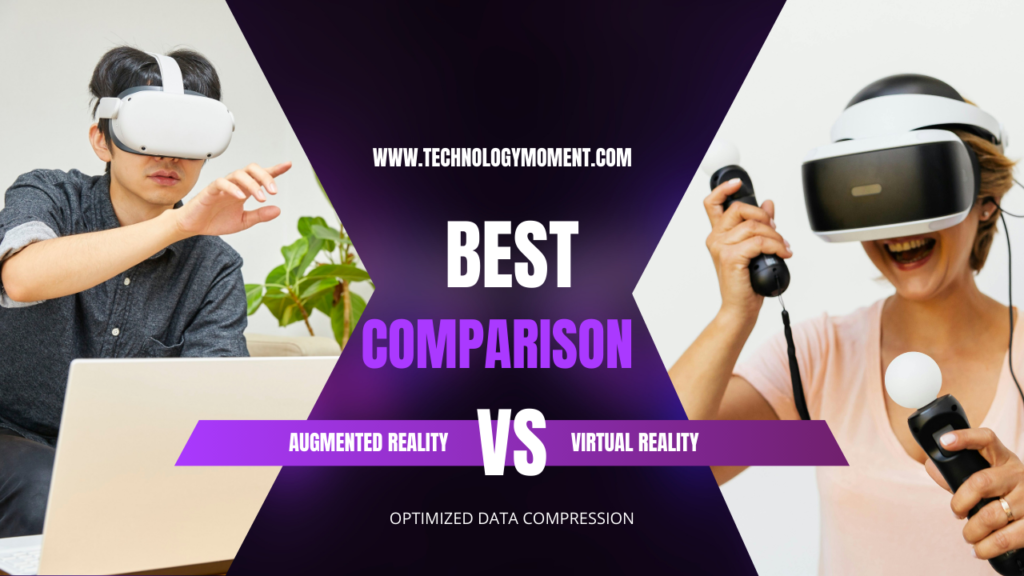
At their core, these platforms combine hardware and software. Employees usually wear VR headsets that display 3D environments. Motion controllers allow them to interact with objects, machines, or people inside the virtual world. The software then tracks their actions and responses. Every decision they make becomes part of the learning experience. This immersive setup makes employees feel as if they are physically present inside the scenario.
What makes these platforms powerful is their flexibility. Training designers can create different types of simulations depending on the job role. For example, a retail company might design customer service scenarios. A manufacturing company might simulate machine operations. A healthcare organization might recreate hospital emergencies. This customization allows businesses to create industry-specific VR training programs that match their real operational challenges.
These platforms also include analytics tools that help companies measure training effectiveness. Managers can analyze employee performance, identify skill gaps, and track improvement over time. This data-driven approach helps organizations refine their training strategies. Instead of guessing whether training works, they can clearly see the results. Because of this combination of immersion, customization, and analytics, VR simulation platforms for workforce training are becoming essential tools for modern learning systems.
How Virtual Reality Training Platforms Work
At first glance, VR training might look complicated, but the concept is surprisingly simple. A virtual reality training platform works by placing employees inside a simulated environment where they can interact with digital elements that mimic real-world situations. When employees wear a VR headset, they see a fully immersive 3D environment that surrounds them in every direction. The brain quickly adapts to this environment and treats it almost like reality.
Inside the simulation, employees can move around, interact with tools, and respond to different scenarios. For example, a warehouse worker might pick up virtual packages, operate machinery, or respond to safety warnings. A customer support trainee might interact with a virtual customer who asks questions or raises complaints. These scenarios feel real because the system uses spatial audio, realistic graphics, and responsive interactions.
Behind the scenes, the platform relies on several technologies working together. Motion tracking sensors monitor head and hand movements. Artificial intelligence controls virtual characters and adapts scenarios based on user actions. Cloud systems store training data and allow companies to update training modules easily. Because of these technologies, immersive VR employee training systems can deliver highly realistic learning experiences.
The most impressive part is the feedback and learning analysis. After completing a simulation, the system evaluates the employee’s performance. It can highlight mistakes, measure response times, and recommend additional practice if needed. This instant feedback loop helps employees learn faster because they immediately understand what went wrong and how to improve. Over time, this process builds confidence, competence, and real-world readiness—making VR simulation training platforms one of the most effective tools in modern corporate learning.
Top VR Simulation Platforms Companies Are Using Today
The market for VR simulation platforms for employee training is growing fast. Companies across the world are searching for tools that can train workers faster, safer, and with better results. Traditional training often means boring slides, long manuals, and classroom lectures that people quickly forget. VR platforms change that completely. They create interactive environments where employees learn by doing. When workers enter a simulated world and practice real tasks, the training suddenly becomes memorable and practical. That is why global enterprises are now investing heavily in immersive learning platforms.
One of the most recognized VR training platforms today is Strivr. Many large organizations use it to train employees in retail, sports, and corporate roles. The platform allows companies to create realistic workplace simulations. Employees can practice customer interactions, safety procedures, or operational tasks inside a virtual environment. Retail giants like Walmart have used VR simulations to train thousands of workers before busy shopping seasons. Instead of learning theory, workers experience real store situations inside the headset. This immersive training approach helps employees react better when the real situation happens.
Another powerful VR learning platform is Talespin, which focuses on soft skills training. Communication skills, leadership, and conflict resolution can be difficult to teach in a classroom. Talespin solves this problem through AI-powered virtual characters that respond to the learner. Employees can practice difficult conversations with virtual colleagues or customers. The system analyzes tone, body language, and decision-making. This allows employees to improve interpersonal skills in a safe environment where mistakes do not carry real consequences.
A third major platform gaining global attention is Pixo VR, which focuses on industrial and technical training. Manufacturing companies use it to train workers on machinery operation and safety procedures. Instead of shutting down real equipment for training sessions, employees practice in a digital environment that perfectly mirrors the real machine. The result is faster learning and fewer workplace accidents. As industries move toward digital transformation, these enterprise VR training platforms are becoming essential tools for modern workforce development.
Shocking Wins Companies Achieved with VR Training
When companies first experiment with VR training, they often expect small improvements. What many organizations discover instead are surprising performance gains that completely change their training strategy. One of the biggest wins is the dramatic reduction in training time. Employees learn faster because they interact with real scenarios instead of simply reading instructions. Research from immersive learning studies shows that VR learners can complete training programs several times faster than traditional classroom learners. Faster training means employees become productive sooner, which saves companies both time and money.
Another shocking benefit is the huge improvement in knowledge retention. Many traditional training sessions suffer from the “forgetting curve.” Employees attend a workshop, feel confident for a day or two, and then forget most of what they learned. VR training solves this problem by engaging multiple senses. Workers see, hear, and interact with the environment. Their brains treat the experience like a real memory rather than theoretical information. Because of this, employees remember procedures and safety protocols much longer after completing the training.
Companies also report a major drop in workplace errors and safety incidents after implementing VR simulation training. Think about industries like construction, aviation, healthcare, or manufacturing. Mistakes in these environments can be dangerous and expensive. VR allows workers to practice risky scenarios without facing real danger. They can repeat the task until they master it. This hands-on learning builds confidence and skill before employees ever step into the real workplace environment.
The financial impact of these improvements can be huge. Organizations save money by reducing travel costs, instructor fees, and equipment damage during training. Instead of gathering employees from different locations, companies can deploy VR training modules globally. Workers can access the training anytime and anywhere. Over time, this scalable learning model helps companies train thousands of employees while maintaining consistent quality across every location.
Real-World Case Studies of VR Employee Training
Real-world examples show just how powerful VR employee training platforms can be. Retail companies were among the first industries to experiment with immersive training. Stores deal with unpredictable customer situations every day. Teaching employees how to respond calmly and professionally can be challenging through traditional training. Retail organizations started using VR simulations where employees interact with virtual customers. These scenarios include angry shoppers, product shortages, or high-pressure sales moments. Workers practice solving problems in a realistic environment before facing these situations in real life.
Healthcare organizations also use VR training to prepare medical professionals for complex procedures. Doctors and nurses must often make quick decisions under intense pressure. VR simulations allow them to practice surgeries, emergency response, and patient care protocols without risking patient safety. Medical staff can repeat the same scenario many times until they develop the right instincts. This immersive training helps healthcare professionals improve accuracy and confidence in real hospital environments.
The aviation industry has relied on simulation training for decades, but modern VR technology is making these simulations even more accessible. Pilots, cabin crew, and maintenance engineers can now practice complex scenarios using lightweight VR headsets instead of expensive full-scale simulators. They can experience emergencies, equipment failures, or extreme weather conditions inside the virtual environment. This type of immersive aviation training prepares employees for rare but critical events that are difficult to practice in real life.
Manufacturing companies have also achieved impressive results with VR training. Workers often need to learn complicated machinery and safety procedures before entering the production floor. VR simulations recreate the factory environment and allow employees to interact with machines virtually. They learn how to operate equipment, identify hazards, and follow safety rules without risking injury or damaging expensive machines. As a result, factories see faster onboarding and fewer accidents among new employees.
Key Benefits of VR Simulation Training Platforms
One of the most powerful advantages of VR simulation platforms for corporate training is the level of engagement they create. Traditional training often struggles to keep employees focused. Many workers sit through long presentations while checking their phones or thinking about other tasks. VR removes distractions because the learner becomes fully immersed in the environment. When someone wears a headset, the outside world disappears. The employee focuses entirely on the task inside the simulation, which leads to deeper learning and stronger skill development.
Another major benefit is the ability to create safe learning environments for high-risk jobs. In many industries, training mistakes can be dangerous or costly. A new employee operating heavy machinery could accidentally damage equipment. A medical trainee might make a serious error during practice. VR removes these risks completely. Employees can make mistakes, learn from them, and try again without real-world consequences. This encourages experimentation and helps workers develop confidence before performing the task in reality.
Scalability is another reason companies love VR training systems. Global organizations often struggle to deliver consistent training across different countries and offices. Traditional training requires instructors, travel arrangements, and physical classrooms. VR platforms allow companies to deploy the same training program anywhere in the world. Employees simply access the simulation using a headset. The learning experience remains identical whether the worker is in New York, London, Singapore, or Berlin. This global consistency improves training quality across the entire workforce.
Finally, VR training platforms generate detailed performance data that companies can use to improve learning outcomes. Managers can see how employees interact with the simulation, which decisions they make, and where they struggle. These insights help organizations refine their training programs and identify skill gaps early. Instead of guessing whether employees understood the lesson, companies can track real behavior inside the virtual environment. This data-driven training approach is one of the biggest reasons immersive learning is becoming a global trend in workforce development.
Challenges and Limitations of VR Training Platforms
Virtual reality training sounds exciting, but it is not a perfect solution for every organization. One of the biggest challenges is the high initial cost of VR training platforms for employee learning. Companies must purchase VR headsets, compatible computers, software licenses, and custom simulation content. For large organizations, this may be manageable, but small businesses sometimes hesitate because the investment feels risky. Imagine replacing traditional classroom training with a system that requires special devices and technical setup. Many companies worry about maintenance, updates, and equipment damage. Because of this, affordable VR training solutions for small businesses are still an evolving market.
Another challenge is the learning curve for employees who are new to immersive technology. Not everyone feels comfortable wearing a headset or navigating a virtual environment during their first experience. Some workers may feel motion sickness, eye strain, or simple confusion when interacting with VR controls. This is especially common in industries where employees are not familiar with gaming or digital interfaces. Organizations must spend time helping employees adapt before they can fully benefit from the training. In global companies with diverse teams, cultural differences and technology exposure can also affect adoption rates. That means companies must design user-friendly VR employee training programs that feel natural and accessible to everyone.
Content creation is another major limitation that organizations often underestimate. A VR training program requires detailed simulations, interactive environments, and realistic scenarios. Creating these experiences takes time, money, and specialized development skills. A simple safety training simulation may involve 3D modeling, voice interactions, scenario logic, and performance tracking. Unlike traditional PowerPoint training, VR modules cannot be built quickly without expertise. Companies must either hire developers or partner with VR corporate training platform providers to build these environments. This complexity can slow down the adoption of immersive training technologies in some industries.
Technical infrastructure also plays an important role in VR training success. Many VR platforms rely on stable internet connections, powerful hardware, and regular software updates. If a company operates in multiple countries or remote locations, maintaining consistent technology standards can become difficult. A headset malfunction or software bug can disrupt training sessions and frustrate employees. Organizations must also think about cybersecurity, data privacy, and integration with existing HR systems. Because of these challenges, businesses must carefully evaluate whether enterprise VR training solutions align with their long-term digital strategy.
Upcoming Developments in Virtual Reality Training for Corporations
The future of VR corporate training platforms looks incredibly exciting because several technologies are merging at the same time. Artificial intelligence is beginning to combine with immersive learning systems to create smarter training environments. Imagine a VR simulation where an AI instructor observes your behavior and instantly adjusts the scenario to challenge your weaknesses. If a customer service trainee struggles with conflict resolution, the system can generate a more difficult virtual customer interaction. This combination of AI-powered VR training simulations will allow companies to deliver personalized learning experiences at a global scale.
Another trend shaping the future is the growth of metaverse-style workplace training environments. Instead of a single VR lesson, employees may enter a persistent virtual workspace where they practice tasks, collaborate with coworkers, and attend training events. Large companies are already experimenting with virtual campuses where new hires explore the organization, meet managers, and complete onboarding missions. These immersive environments can help remote employees feel connected to their teams even when they work thousands of kilometers apart. As remote work continues to grow, virtual reality onboarding and remote employee training will become more common.
Hardware innovation will also play a huge role in expanding VR training adoption. Headsets are becoming lighter, cheaper, and more comfortable every year. Wireless VR devices allow employees to move freely during training without complex setups. As the price drops, even small and medium businesses will be able to experiment with immersive learning tools. New devices also include eye-tracking, hand-tracking, and biometric sensors that measure attention and emotional responses. These features can help companies analyze training performance in ways that were impossible before. The result will be data-driven VR employee training programs that improve continuously.
Cloud technology is another factor that will shape the next generation of training platforms. Instead of installing large software packages locally, companies will run simulations directly from cloud servers. This makes it easier to update training content and deliver it to employees around the world. A new safety scenario can be uploaded once and instantly deployed across hundreds of offices. This scalability is why analysts believe cloud-based VR training platforms for global companies will grow rapidly in the coming years. When organizations combine AI, cloud infrastructure, and immersive simulations, corporate learning could become faster, smarter, and far more engaging.
In conclusion, virtual reality simulation platforms
The workplace is changing quickly, and companies must train employees faster than ever before. Traditional training methods often rely on lectures, manuals, and static videos. These approaches can share information, but they rarely create deep understanding. VR simulation platforms for employee training introduce a different experience. Instead of reading about a situation, employees step directly into it. They practice decisions, make mistakes, and learn from consequences inside a safe virtual environment.
Across industries like healthcare, aviation, retail, and manufacturing, organizations are already seeing impressive results. Employees trained through immersive simulations tend to remember lessons longer and perform tasks more confidently. The ability to practice complex scenarios without real-world risk is one of the biggest advantages of virtual training systems. When companies combine VR technology with thoughtful instructional design, they create learning environments that feel realistic and engaging. That engagement often translates into better productivity and fewer workplace errors.
At the same time, companies must approach VR adoption carefully. Hardware costs, technical setup, and content development can slow down implementation if organizations are not prepared. A successful VR training strategy requires planning, user support, and integration with existing learning programs. Businesses that treat VR as a long-term investment rather than a short experiment tend to achieve the best results. As technology continues to improve, these barriers will likely become smaller.
Looking ahead, immersive training is expected to become a core part of modern workforce development. Artificial intelligence, cloud platforms, and advanced VR devices will make simulations more realistic and accessible. Organizations that start exploring immersive employee training technologies today may gain a competitive advantage tomorrow. Training will no longer feel like a boring requirement. Instead, it may feel like stepping into a realistic practice arena where employees build confidence before facing real-world challenges.
Frequently Asked Questions regarding VR Simulation Platforms for Employee Training
What are VR simulation platforms for employee training?
VR simulation platforms are digital training systems that use virtual reality technology to create immersive learning environments. Employees wear a VR headset and interact with simulated situations that look and feel realistic. These scenarios allow workers to practice tasks, handle challenges, and improve skills without real-world risks. Many companies use virtual reality training platforms for workplace learning to train employees in areas such as safety procedures, customer service, and technical operations. Because learners actively participate in the experience, the training often feels more engaging and memorable.
Why are companies adopting VR training solutions?
Organizations are adopting VR training because it improves engagement and knowledge retention compared to traditional learning methods. When employees interact with realistic simulations, they learn by doing rather than just listening. This approach helps workers remember procedures and respond confidently during real situations. Global companies also appreciate the scalability of enterprise VR employee training systems because the same training scenario can be delivered to employees in different countries. As remote work grows, immersive learning tools also help distributed teams stay connected to company training programs.
Which industries benefit most from VR employee training?
Several industries benefit greatly from immersive learning environments. Healthcare organizations use medical VR training simulations to help doctors and nurses practice procedures safely. Aviation companies train pilots using realistic cockpit simulations before real flights. Manufacturing firms rely on VR to teach workers how to operate machinery or handle safety emergencies. Retail companies also use VR to prepare employees for customer interactions and store management scenarios. Any industry that requires hands-on skills or risk-free practice can gain value from VR training solutions.
Is VR training expensive for small businesses?
The cost of VR training has been a concern for many smaller organizations. Hardware, software development, and platform subscriptions can create a noticeable upfront investment. However, technology prices are gradually decreasing, and many vendors now offer affordable VR training platforms for small businesses. Cloud-based solutions also reduce the need for expensive local infrastructure. When companies compare the cost of traditional training, travel expenses, and lost productivity, VR training can sometimes become a cost-effective alternative in the long run.
What skills can employees learn through VR training?
VR simulations can teach a wide variety of professional skills. Employees can practice technical tasks like machine operation, safety inspections, or equipment repair. They can also develop soft skills such as leadership, communication, and conflict resolution. For example, a customer service representative can interact with a virtual customer and learn how to respond to complaints calmly. Because VR environments simulate realistic pressure and decision-making moments, learners often build confidence faster. This is why immersive VR training programs for workforce development are becoming increasingly popular worldwide.