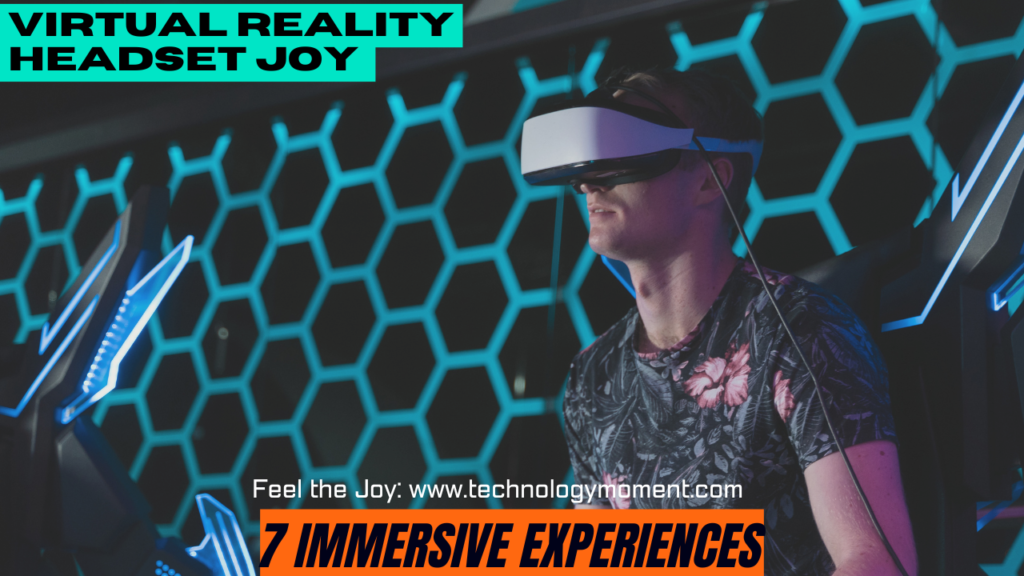
Virtual reality is no longer limited to gaming rooms or tech labs. Today, virtual reality in everyday life is becoming a real thing for people across the globe. From students and professionals to fitness lovers and travelers, a virtual reality headset is changing how we learn, work, relax, and connect. At Technology Moment, we closely track how emerging technologies move from “wow” to “normal,” and VR is a perfect example of that shift. What once felt futuristic is now practical, affordable, and surprisingly useful in daily routines.
When you wear a VR headset, you don’t just see content—you experience it. This is why immersive virtual reality experiences feel so powerful. Instead of watching a video about Paris, you can stand near the Eiffel Tower. Instead of reading about space, you can float inside it. This deep sense of presence triggers emotions like excitement, curiosity, and joy. That emotional connection is why VR adoption is rising fast in entertainment, education, and wellness. It feels less like using a device and more like stepping into another world.
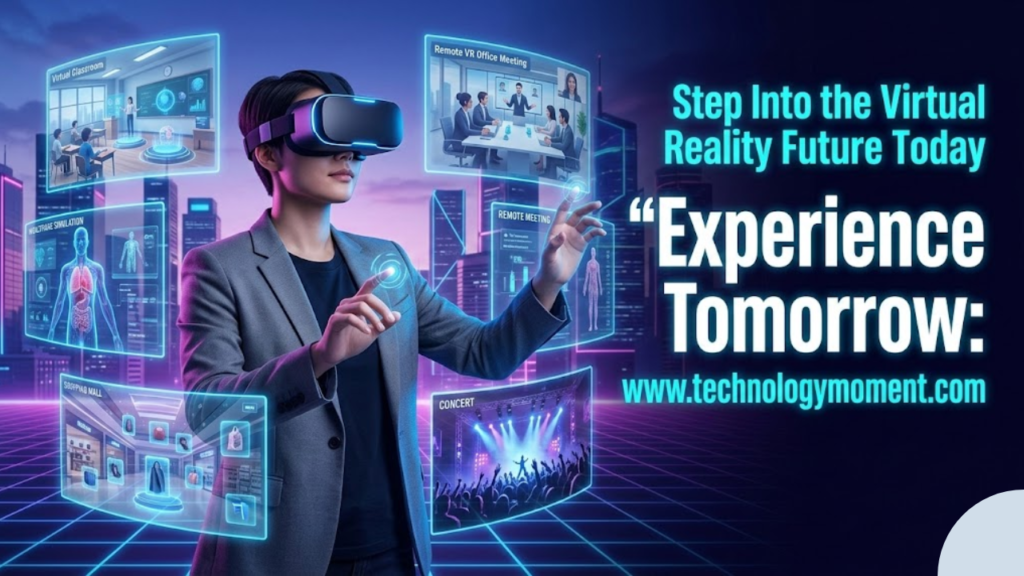
One of the biggest reasons VR fits into daily life is its flexibility. Practical uses of virtual reality now include remote learning, virtual meetings, fitness workouts, therapy sessions, and skill training. For example, many people use VR fitness apps to exercise at home without boredom. Others use VR learning platforms to practice public speaking or technical skills in a safe space. These real-world use cases show that VR is not just fun—it’s functional. Technology Moment highlights these trends to help readers understand where tech truly adds value.
Another key benefit is accessibility. Modern headsets are easier to use, lighter, and more affordable than ever before. This has opened the door for consumer virtual reality technology to reach a global audience. You don’t need to be a developer or gamer to enjoy VR anymore. With simple setup and growing content libraries, anyone can explore virtual worlds in minutes. This ease of use is pushing VR into homes, schools, and workplaces at a rapid pace.
At Technology Moment, we believe virtual reality represents more than a trend—it’s a shift in how humans interact with digital content. As virtual reality technology trends continue to evolve, VR will blend even more smoothly into everyday life. Whether it’s for learning faster, relaxing deeper, or connecting better, VR delivers joy in ways traditional screens never could. And this is just the beginning.
The Psychology of Joy and Immersion
Joy in virtual reality is not accidental. It is designed. When you wear a virtual reality headset, your brain starts to believe you are somewhere else. This feeling is called immersion. Your eyes, ears, and movements work together, and the brain fills the gaps.
The brain loves new experiences. VR feeds it nonstop novelty. Bright worlds, natural movement, and instant feedback trigger dopamine. That is the same chemical linked to happiness and motivation. This is why VR feels exciting even after a short session.
Another powerful factor is presence. Presence means “I feel like I am really there.” When presence is high, emotions feel stronger. Fear feels real. Joy feels deeper. Calm feels calming. VR creates this presence better than screens or phones ever could.
VR also reduces mental noise. Notifications stop. Outside stress fades. You focus on one world only. This mental focus gives the brain a break. That break often turns into joy, relaxation, and an emotional reset.
For many users globally, this is why virtual reality feels magical. It does not just show content. It involves you. Your brain does the rest.
Way 1 – Immersive Gaming That Feels Real
Gaming is where most people first fall in love with VR. And it makes sense. Immersive VR gaming does not feel like playing a game. It feels like stepping inside one. You move your head, hands, and body. The world reacts to you. Traditional games use buttons. VR uses your instincts. You duck to avoid danger. You reach to grab objects. This physical interaction makes the experience feel real. The joy comes from control and freedom.
Another reason VR gaming feels intense is emotional connection. When enemies stand close, your heart rate changes. When you win, the victory feels personal. Your body was involved, not just your fingers. VR gaming also creates flow. Flow is a mental state where time disappears. Many players remove the headset and feel surprised by how much time passed. That deep focus is a sign of strong engagement and joy.
With trending topics like multiplayer VR games and mixed reality gaming, immersive gaming is only growing. It is no longer niche. It is becoming the future of entertainment.
Way 2 – Virtual Travel Without Leaving Home
Virtual travel is one of the most joyful uses of a virtual reality headset. You can stand on a mountain, walk through ancient cities, or float under the ocean. All without packing a bag. This experience matters because the brain responds to visual realism. High-resolution VR environments trigger the same curiosity as real travel. Your mind explores. Your emotions respond. You feel wonder.
For people who cannot travel due to money, health, or time, VR travel is powerful. It removes limits. It gives access. That sense of freedom creates happiness and emotional relief. Virtual reality travel experiences also reduce stress. Calm beaches, forests, and guided tours help users relax. Many people use VR to escape daily pressure for a few minutes.
As global interest grows in digital tourism and virtual exploration, VR travel is becoming more popular. It is not replacing real travel. It is expanding it.
Way 3 – Fitness and Wellness Made Fun
Exercise often feels like a chore. VR changes that story. With a virtual reality headset, fitness becomes play. You move because the game asks you to move, not because a timer tells you to. VR fitness workouts use music, rhythm, and goals. You punch, dance, stretch, and dodge. Your body works hard, but your mind stays engaged. This balance creates joy instead of boredom.
Another benefit is motivation. Many users forget they are exercising. Calories are burned while attention stays on the experience. This is why VR fitness is trending worldwide. Wellness apps also focus on breathing, meditation, and balance. Calm visuals and guided sessions help reduce anxiety. The headset blocks distractions and improves focus.
As home fitness and mental wellness trends grow, virtual reality fitness apps are becoming a favorite. They combine health, fun, and technology in one joyful experience.
Way 4 – Learning Through Experience, Not Theory
Learning inside a virtual reality headset feels like learning by doing, not memorizing. Instead of reading about a topic, you step into it. Your brain reacts as if the experience is real, which makes learning faster and more memorable. This is why virtual reality learning environments are trending across the globe. In VR, mistakes feel safe. You can practice a skill again and again without fear. Medical students can perform virtual surgeries. Engineers can assemble machines. Language learners can talk to virtual people. This hands-on approach builds confidence naturally.
Traditional learning often feels boring or stressful. VR changes that mood instantly. It turns lessons into experiences, and curiosity replaces pressure. When learning feels like exploration, the mind stays open and alert. Virtual reality education is also inclusive. You don’t need a fancy classroom or travel abroad. A VR headset and internet access are enough. This makes immersive learning accessible to students, professionals, and lifelong learners everywhere.
Virtual classrooms remove physical limits. You can attend a science lab on Mars or walk through ancient cities. These experiences help abstract ideas feel real. Concepts stick because the brain connects emotion with memory. For corporate training, VR is becoming a game-changer. Employees learn soft skills, safety drills, and leadership through simulations. This reduces risk and improves retention. Experiential learning in VR is now a top trending topic in workplace education.
Way 5 – Social Connection in Virtual Worlds
Human beings crave connection. A virtual reality headset makes that connection feel personal again. In social VR platforms, you don’t just chat—you share space. You see gestures, body language, and reactions, which create real presence. Virtual worlds allow people from different countries to meet naturally. Time zones and borders stop mattering. Friends can attend events, play games, or simply talk. This sense of “being together” feels powerful, especially in a digital age.
For people who feel isolated, social VR can feel like a doorway. Shy users often find it easier to express themselves as avatars. Confidence grows when judgment fades. This emotional comfort is one reason social VR experiences are growing fast. Social virtual reality platforms are not just for fun. They host concerts, meetups, classrooms, and workspaces. Professionals now attend virtual conferences using VR headsets. It feels more engaging than video calls.
These shared digital spaces create belonging. You are not scrolling alone. You are participating. That shared presence delivers a quiet kind of joy that feels deeply human.
Way 6 – Stress Relief and Mental Relaxation
Stress follows people everywhere. A virtual reality headset offers a clean escape. With one device, you can sit on a calm beach, float in space, or walk through a silent forest. The brain responds as if you are truly there. VR relaxation apps use sound, visuals, and movement together. This combination slows the mind naturally. Breathing becomes deeper. Muscles relax. Many users feel calm within minutes.
Unlike meditation apps on phones, VR removes distractions. Notifications disappear. The outside world fades. This deep focus makes virtual reality stress relief apps highly effective. Mental wellness is a trending global topic, and VR fits perfectly. Therapists now use VR for anxiety exposure and emotional regulation. It helps users face fears safely and gently.
Even short VR sessions can reset your mood. After a long day, stepping into a peaceful virtual space feels like pressing a mental restart button.
Way 7 – Creativity and Self-Expression
Creativity feels different in virtual reality. You don’t draw on paper—you draw in space. You don’t sculpt clay—you shape light. A virtual reality headset turns imagination into movement. Artists love VR because there are no physical limits. You can paint in the air or design worlds from scratch. This freedom sparks joy and curiosity instantly.
Creative virtual reality applications are also beginner-friendly. You don’t need expert skills. Intuition guides you. This removes fear and encourages play. Storytellers use VR to place audiences inside stories. Designers build prototypes faster. Musicians perform in virtual spaces. Creativity becomes interactive, not passive.
Self-expression in VR feels personal and emotional. You are not consuming content—you are creating it. That sense of ownership delivers deep satisfaction and long-lasting joy.
How to Choose the Right Virtual Reality Headset
Choosing the right virtual reality headset can feel confusing at first, especially with so many models and features flooding the market. I always suggest starting with one simple question: what do you want to enjoy most—gaming, fitness, learning, or relaxation? If immersive VR gaming experiences excite you, look for a headset with high resolution, smooth refresh rates, and strong processor power. For virtual reality travel experiences or meditation, comfort and display clarity matter more than raw performance. A lightweight headset with adjustable straps can make long sessions feel effortless, not exhausting.
Another key factor is content compatibility, which many people overlook. Some virtual reality headsets work as standalone devices, while others depend on a PC or console. If you want freedom and portability, standalone VR headsets are trending globally right now. If you already own a powerful gaming PC, PC-based VR can unlock deeper and more realistic virtual worlds. Always think about your existing setup before making a choice.
Comfort is not a luxury; it is essential for joy. A headset that feels heavy or causes eye strain can quickly ruin the experience. Look for ergonomic designs, proper ventilation, and adjustable lenses for different eye distances. These small details make a big difference when you spend time in virtual reality learning environments or VR fitness workouts at home. The right headset should disappear on your face, not remind you it is there.
Future of Virtual Reality Headsets
The future of virtual reality headsets looks incredibly exciting, and honestly, we are just getting started. Upcoming VR devices are focusing heavily on lighter designs, sharper visuals, and longer battery life. This means virtual reality stress relief apps, social VR platforms, and creative virtual reality applications will feel more natural than ever. As technology improves, the line between the physical and virtual worlds will continue to blur.
Artificial intelligence is also shaping the next generation of VR experiences. Imagine virtual worlds that respond to your emotions, movements, and voice in real time. This is not fantasy anymore; it is a fast-growing trend in future trends in virtual reality. Smarter avatars, adaptive environments, and personalized experiences will make VR feel deeply human. It will feel less like using a device and more like entering a second life.
Another major shift is global accessibility. Virtual reality headsets are becoming more affordable, opening doors for education, healthcare, and remote work worldwide. Students can learn through experience instead of memorization. Professionals can train safely in virtual environments. As internet speeds improve, shared virtual spaces will feel smooth and social, even across continents.
Conclusion – Why VR Joy Is Just Beginning
The joy delivered by a virtual reality headset goes far beyond entertainment. It connects emotion, imagination, and technology in a way no other medium can. Whether you are exploring distant planets, breaking a sweat in VR fitness workouts at home, or relaxing in a peaceful virtual beach, the feeling is deeply personal. VR does not just show you experiences; it lets you live them.
What excites me most is how inclusive and flexible virtual reality has become. You can be a gamer, a learner, an artist, or someone seeking calm, and VR has something designed just for you. With rapid innovation and global adoption, the future promises even richer and more meaningful virtual moments. This is not the peak of VR joy; it is only the opening chapter.
Frequently Asked Questions (FAQs)
Is a virtual reality headset safe for daily use?
Yes, a virtual reality headset is generally safe when used responsibly. Short breaks between sessions help reduce eye strain and motion discomfort. Most modern VR headsets are designed with safety features and comfort in mind.
Do I need a powerful computer to use VR?
Not always, and this surprises many people. Standalone VR headsets work independently and are perfect for beginners. PC-based VR offers advanced graphics but requires stronger hardware. Your choice depends on how deep you want your immersive VR gaming experience to be.
Can VR really help with fitness and health?
Absolutely, and this is a fast-growing trend. VR fitness workouts at home make exercise feel like play, not pressure. Many people stay consistent because it feels fun and engaging. Movement in virtual reality can support both physical and mental wellness.
Is virtual reality useful for learning and education?
Virtual reality learning environments are transforming education worldwide. Instead of reading about concepts, learners experience them firsthand. This improves focus, memory, and understanding. It works especially well for skill training and complex subjects.
Will virtual reality replace the real world?
No, and it does not need to. Virtual reality is a powerful extension of real life, not a replacement. It adds new ways to connect, learn, and relax. The real magic happens when VR enhances how we live, not replaces it.