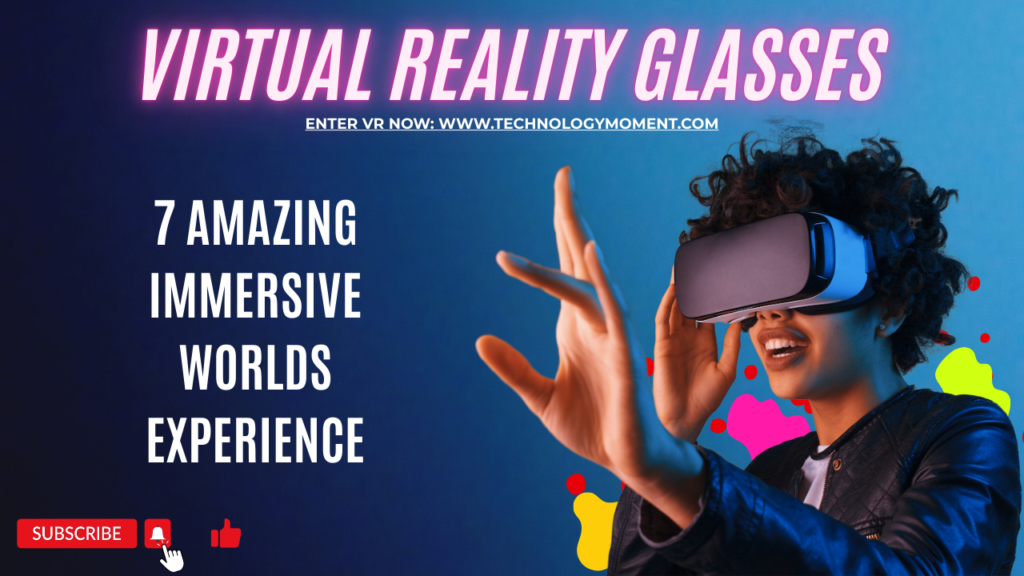
Welcome to Technology Moment, where we break down complex tech into simple, useful insights. Today, we explore virtual reality glasses for immersive digital experiences. If you’ve ever wanted to step inside a game, attend a live concert from your couch, or train in a risk-free virtual lab, VR glasses make that possible. These smart headsets place a digital world right in front of your eyes. You don’t just watch the screen—you live inside it. That is why virtual reality technology is one of the fastest-growing trends in global tech innovation.
Virtual reality glasses, also called VR headsets, are wearable devices that create a 3D digital environment. They use high-resolution displays, motion sensors, and spatial audio to track your head and body movements in real time. When you turn your head, the virtual world moves with you. This makes the experience feel real. Modern VR headsets for gaming and education often come with handheld controllers or hand-tracking features. Some models connect to a PC for high-end graphics, while standalone VR devices work wirelessly. The result? A smooth, immersive experience powered by cutting-edge display technology and motion tracking systems.
The demand for affordable virtual reality glasses for home use has grown fast. Prices have dropped. Performance has improved. Today’s headsets offer 4K resolution, a wide field of view, and wireless freedom. Big tech brands invest heavily in the metaverse, mixed reality, and AI-powered VR applications. Schools use VR for interactive learning. Businesses use it for remote collaboration. Gamers love realistic open-world adventures. Even doctors train in safe, simulated environments. This shift shows how immersive VR technology is moving beyond entertainment into real-world problem-solving.
So, why should you care? Because VR is not just fun—it is useful. With virtual reality glasses for training simulations, workers can practice risky tasks without danger. With VR fitness apps, you can turn workouts into exciting adventures. With virtual travel experiences, you can explore global landmarks without a passport. Imagine walking through the Great Wall of China or diving under the ocean in seconds. These use cases highlight the practical power of immersive digital environments. VR saves time, reduces costs, and boosts engagement.
At Technology Moment, we focus on practical insights about emerging technologies like virtual reality headsets, AI integration, and mixed reality devices. We test trends, explain features, and share honest comparisons so you can make smart decisions. Whether you are a gamer, student, entrepreneur, or tech enthusiast, understanding virtual reality glasses today prepares you for tomorrow’s digital world. The future is immersive. The question is simple—are you ready to step inside it?
How Virtual Reality Glasses Work
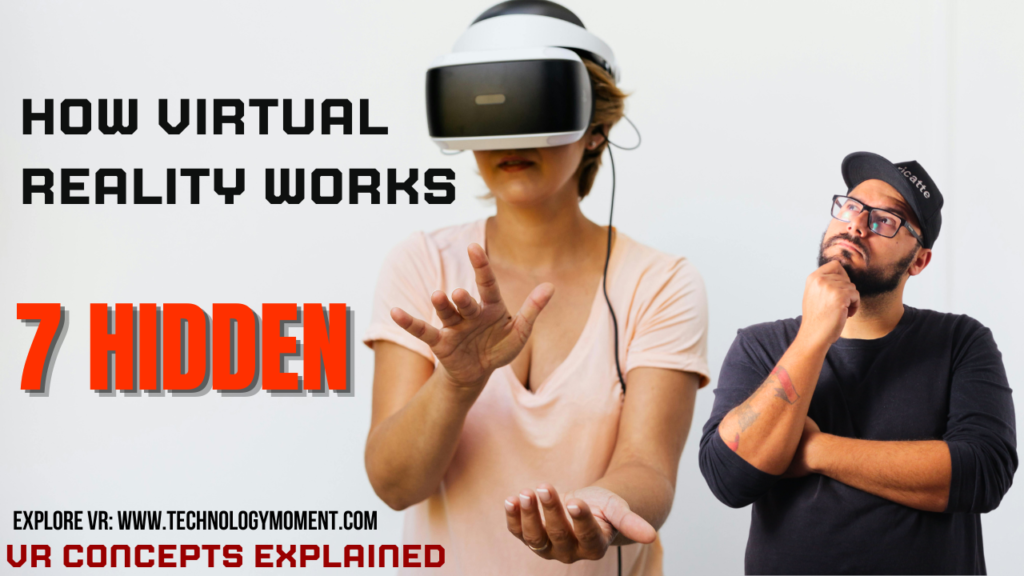
Virtual reality glasses work like a smart illusion for your brain. When you wear them, tiny high-resolution screens sit right in front of your eyes. Each eye sees a slightly different image. Your brain combines those images and creates depth. That is how you feel like you are inside a 3D world instead of looking at a flat screen.
The magic also comes from motion tracking sensors. These sensors track how your head moves in real time. If you turn left, the virtual world turns with you. If you look up, the sky appears above you. This fast response makes the experience feel natural and smooth. Without this tracking system, the world would feel fake and slow.
Modern immersive VR headsets also use advanced field-of-view technology. A wide field of view means you can see more of the virtual world at once. It feels closer to real human vision. When combined with high refresh rates, the motion looks fluid. This reduces motion sickness and improves comfort for long VR sessions.
Some of the best virtual reality glasses for gaming and education now use inside-out tracking. That means built-in cameras map your room. You do not need extra sensors on your walls. The headset understands where you are and keeps you safe inside a digital boundary. It is smart, simple, and perfect for global users who want plug-and-play VR technology.
Many new VR devices also connect with AI systems. AI helps improve hand tracking, voice control, and realistic avatars. When you move your hands, your digital hands move too. When you speak, your avatar can copy your expressions. This is why trending topics like AI-powered VR experiences are gaining attention worldwide.
In short, VR glasses combine displays, sensors, processors, and smart software. All of this works together in milliseconds. It feels like stepping into another universe. Yet it is just clever technology working behind the scenes.
Benefits of Using Virtual Reality Glasses
Virtual reality glasses change how we experience digital content. Instead of watching from a distance, you become part of the action. This deep immersion improves focus and emotional connection. When you feel present in a space, your brain reacts as if it is real.
One major benefit is enhanced entertainment. With next-generation VR gaming, you do not just press buttons. You swing, dodge, and interact physically. Movies in 360-degree VR surround you. Concerts feel live even if you are at home. This level of engagement makes traditional screens feel limited.
Another powerful benefit is learning and skill development. VR education platforms use immersive simulations to teach complex topics. Medical students can practice surgery in a safe digital space. Engineers can test machines without risk. This hands-on learning method improves memory and understanding.
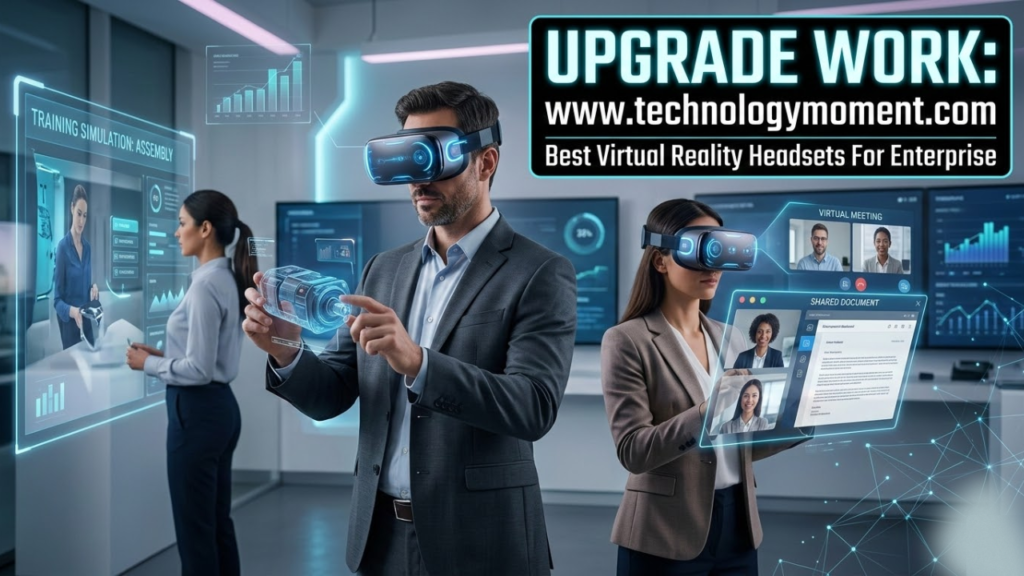
Virtual reality glasses also support remote work and global collaboration. Virtual meeting spaces feel more natural than video calls. You can sit at a digital table with teammates from different countries. Body language and eye contact make communication clearer. In a global economy, this technology builds stronger connections.
There is also a mental health and wellness benefit. VR meditation apps guide you through calming forests or peaceful beaches. You can escape stress in minutes. Many people use VR fitness programs at home. It feels like playing a game, but you are burning calories and staying active.
When you look at it closely, VR is not just entertainment. It is a tool for growth, productivity, and well-being. That is why immersive virtual reality technology trends are growing fast across the world.
Immersive World #1 – Next-Generation VR Gaming Universes
Let’s be honest. Gaming is one of the biggest reasons people buy virtual reality glasses. But this is not normal gaming. This is a full-body, interactive, next-generation VR gaming experience. You step into fantasy lands, space battles, or survival worlds. You do not control a character. You are the character.
Modern multiplayer VR games connect players globally. You can fight dragons with someone in Canada or solve puzzles with a friend in Japan. Social interaction feels real because avatars move naturally. Voice chat sounds close and clear. It feels like you are standing beside each other.
Advanced VR gaming headsets now support haptic feedback. When something touches you in the game, you feel vibration in your controller. Some systems even support haptic suits. This adds another layer of realism. It makes the experience more intense and exciting.
Trending topics like metaverse gaming platforms and cross-platform VR games are shaping the future. Players can attend virtual events, build digital assets, and even earn rewards. The line between gaming and social life is becoming thin. VR gaming is not just fun. It is a new digital lifestyle.
Graphics quality is also improving fast. High-resolution displays and powerful processors create realistic textures and lighting. You can see shadows move and reflections change. These details pull you deeper into the world. It feels alive and dynamic.
If you love adventure, competition, or creativity, VR gaming universes offer something unique. It is not about sitting still. It is about stepping into another dimension and owning the moment.
Immersive World #2 – Virtual Travel and Exploration
Have you ever wanted to walk through the streets of Paris or explore the pyramids of Egypt? Virtual travel experiences with VR glasses make that possible. You can visit global landmarks without booking a flight. All you need is a headset and curiosity.
Virtual tourism platforms use 360-degree video and 3D modeling. You can look around freely. You can move through museums, mountains, and oceans. It feels personal because you control the journey. You are not watching a travel documentary. You are inside the destination.
This technology is powerful for people who cannot travel easily. Students can explore historical sites in VR. Elderly users can revisit childhood cities. Families can plan vacations by previewing hotels and attractions in advance. It makes global exploration more inclusive.
VR exploration also supports environmental awareness. You can dive into coral reefs or walk through rainforests. When you see climate change effects up close, it feels real. This emotional impact inspires action. Education becomes experience, not just information.
Travel brands are now investing in immersive VR tourism marketing. Hotels offer virtual tours. Airlines showcase cabin experiences. Real estate developers present cities in 3D. This trend is growing because people want confidence before they spend money.
In many ways, VR travel is like having a teleportation device. You put on the glasses, and the world opens up. It is fast, affordable, and deeply engaging.
Immersive World #3 – VR Education and Training Simulations
Education changes when you step inside the lesson. VR education and training simulations transform passive learning into active exploration. Instead of reading about the solar system, you float between planets. Instead of studying anatomy on paper, you examine a 3D human heart.
Medical and engineering training benefit greatly from immersive VR technology. Pilots can train in realistic flight simulators. Mistakes do not cause harm. They become lessons. This builds confidence and skill.
Corporate training also uses VR for workplace safety and leadership development. Employees can experience emergency scenarios safely. Managers can practice difficult conversations with AI-driven avatars. It prepares teams for real-life challenges in a controlled setting.
Virtual classrooms connect students from different countries. Teachers create interactive environments instead of static slides. Students collaborate on digital whiteboards or explore historical events together. This global learning model supports cultural exchange and teamwork.
The best part is engagement. When learners feel present, they focus more. Distractions fade away. Studies show immersive learning improves retention. It makes complex topics easier to understand. That is why trending long-tail keywords like “VR training simulations for remote teams” are gaining global search volume.
VR education is not a replacement for teachers. It is a powerful tool. It turns abstract ideas into lived experiences. And when you experience something, you remember it longer.
Immersive World #4 – Fitness and Wellness in Virtual Reality
Virtual reality fitness is changing how we move our bodies. You no longer need a crowded gym or expensive trainer. You put on your virtual reality glasses, and your living room becomes a boxing ring, a dance floor, or a mountain trail. It feels fun, not forced. That is why VR workout at home is trending worldwide.
When you exercise in VR, you forget you are working out. You focus on the mission. You dodge, jump, punch, and stretch without watching the clock. Your brain thinks it is play. Your body knows it is an effort. This mix makes immersive fitness games powerful and addictive in a healthy way.
VR fitness apps now offer real-time tracking. They measure calories, heart rate, and movement accuracy. Some even use AI to guide your posture. It feels like a personal coach who never gets tired. This is why many people search for the best VR fitness programs for weight loss and home workouts.
Wellness is not only about sweating. VR meditation and mindfulness apps are growing fast. You can sit on a virtual beach in Bali or inside a quiet forest in Canada. Soft sounds guide your breathing. Stress melts away. In a noisy world, virtual relaxation therapy gives you peace on demand.
Mental health support is also entering VR spaces. Guided therapy sessions and calming environments help users manage anxiety. You feel safe because you control the space. You choose the world. That sense of control matters more than we think.
In simple words, VR wellness turns self-care into an experience. It is no longer boring. It is immersive, interactive, and global. Whether you are in New York, Nairobi, or New Delhi, virtual reality fitness solutions meet you where you are.
Immersive World #5 – Social VR Platforms
Humans crave connection. We want to talk, laugh, and share moments. Social VR platforms take that need and push it into 3D. Instead of typing messages, you stand next to your friends in a virtual space. It feels close, even when you are far apart.
When you wear VR glasses, your avatar becomes your digital body. You move your hands. You turn your head. Others see it in real time. It feels natural. This is why metaverse social platforms and virtual hangout apps are trending topics across the globe.
Virtual meetings are changing fast. Remote teams now gather inside 3D conference rooms. They present ideas on virtual screens. They brainstorm while walking around digital models. It feels more alive than a flat video call. Many companies search for immersive collaboration tools for remote work.
Entertainment is also moving into social VR. You can attend live concerts, comedy shows, and global events without buying a plane ticket. You stand in a virtual crowd with people from different countries. You cheer together. It feels like shared energy, even through pixels.
Safety and moderation remain important topics. Platforms now focus on privacy controls and safe social spaces. Users can block, mute, or create private rooms. This makes the experience more comfortable and inclusive for global audiences.
Social VR is not just tech. It is a new way to build digital communities. It brings people together in immersive virtual environments that feel surprisingly real. And honestly, once you try it, normal chat apps feel flat.
Immersive World #6 – Utilizing Virtual Reality in Business and Real Estate
Business loves tools that save time and money. Virtual reality glasses do both. Companies now use VR for product demos, staff training, and client meetings. Instead of sending samples, they send experiences. That is powerful.
In real estate, VR property tours are transforming the buying process. You can walk through a house without stepping outside. You look at the kitchen. You check the balcony view. You explore every corner. This makes virtual home tours for international buyers a major trend.
Developers also use VR before construction begins. Clients can explore a building that does not yet exist. They can suggest changes. They can see designs in full scale. This reduces mistakes and boosts confidence. It feels like seeing the future today.
Retail brands are creating immersive shopping experiences. Customers enter virtual showrooms. They interact with products in 3D. This blends e-commerce with experience. Many marketers now focus on VR marketing strategies and immersive brand storytelling.
Training and onboarding also benefit from VR. Employees practice skills in safe digital simulations. Mistakes cost nothing. Learning feels real. That is why VR corporate training solutions are gaining global attention.
In simple terms, VR in business is not a gimmick. It is a practical tool. It builds trust. It saves travel costs. It creates wow moments. And in competitive markets, that edge matters.
Immersive World #7 – Creative Arts and Digital Design
Creativity explodes inside virtual reality. Artists are no longer limited to canvas or paper. With VR design tools, you paint in the air. You sculpt in 3D space. Your studio has no walls. That freedom feels magical.
Digital designers use immersive 3D modeling software to build worlds. Architects create full environments. Game creators shape landscapes around them. It feels like standing inside your imagination. This is why virtual reality content creation is trending in tech and art circles.
Filmmaking is also evolving. VR storytelling allows viewers to stand inside the scene. They look around. They choose what to focus on. It feels personal. 360-degree video production is gaining traction because it turns passive watching into an active experience.
Fashion and product designers experiment in virtual studios. They test shapes, textures, and lighting in real time. Changes happen instantly. This speeds up innovation. It also reduces waste. That matters in today’s eco-conscious world.
Education in creative fields now includes VR art platforms. Students collaborate globally. They share virtual galleries. They build projects together in shared spaces. Distance no longer blocks creativity.
In the end, VR is not just technology. It is a new brush, a new camera, a new stage. It gives creators a larger playground. And when imagination meets immersion, the results can be extraordinary.
How to Choose the Best Virtual Reality Glasses
Choosing the best virtual reality glasses can feel confusing at first. The market is full of options. Some are premium VR headsets with powerful graphics. Others are budget-friendly VR glasses for beginners. So how do you decide? Start by asking yourself one simple question. What do you want to do in virtual reality?
If you love gaming, look for VR glasses with high resolution and smooth refresh rates. A good field of view makes the world feel bigger and more real. Fast motion tracking is also important. It keeps the image steady when you move your head. No one likes blurry scenes or motion sickness. The best VR headset for an immersive gaming experience should feel natural and fluid.
If you want VR for work or learning, comfort matters more. You may wear the headset for long hours. Choose lightweight virtual reality glasses with soft padding. Adjustable straps help, too. Clear audio is also key for virtual meetings and VR training programs. A good microphone makes online collaboration easier.
Now think about power and setup. Standalone VR headsets work without a PC. They are simple and portable. PC-powered VR glasses offer stronger performance but need a gaming computer. If you travel often, a standalone headset is ideal. If you want ultra-real graphics, go for a PC-connected system.
Budget also plays a big role. Affordable VR headsets are now better than ever. Many offer 4K resolution and hand tracking. Compare battery life, storage, and controller quality. Read global reviews and check trending VR models in 2026. The best choice is the one that fits your needs, not just the one with the highest price.
Future Trends in Virtual Reality Technology
The future of virtual reality technology looks exciting. VR is not just about games anymore. It is becoming part of daily life. From remote work to virtual healthcare, immersive VR experiences are expanding fast. The next generation of VR glasses will feel lighter, smarter, and more powerful.
Artificial intelligence in VR is one major trend. AI can make virtual worlds react in real time. Imagine a virtual teacher that adapts to your learning speed. Or a fitness trainer in VR that tracks your movement and corrects your posture. AI-powered virtual reality will feel more human and personal.
Mixed reality and augmented reality are also growing. Future VR headsets may blend digital and physical spaces. You could see virtual screens floating in your real room. This is called spatial computing. Tech companies are investing heavily in this trend. It may change how we work, design, and communicate.
Cloud VR streaming is another breakthrough. Soon, you may not need expensive hardware. Games and simulations could stream from powerful servers. This makes high-end immersive VR accessible worldwide. It also supports global audiences with different budgets.
Health and wellness applications are expanding, too. VR therapy for stress and anxiety is gaining attention. Virtual travel for seniors is becoming popular. Even virtual reality classrooms are rising in demand. The future of VR glasses is not just entertainment. It is connection, learning, and new digital lifestyles.
Conclusion
Virtual reality glasses are more than just tech gadgets. They are gateways to new worlds. Whether you want immersive VR gaming, virtual travel experiences, or VR fitness programs at home, there is something for you. The key is to choose wisely and stay informed about trends.
Technology moves fast. But the purpose remains simple. VR helps us feel present in places we cannot physically reach. It connects people across borders. It changes how we learn, play, and work. That is powerful.
If you are new to virtual reality, start small. Try a beginner-friendly VR headset. Explore different apps and platforms. Let yourself experience the magic. You may be surprised by how real it feels.
The future of virtual reality glasses is bright and global. As hardware improves and prices drop, more people will join this immersive journey. The question is not if VR will grow. The question is how you will use it.
FAQs
What are the best virtual reality glasses for beginners?
The best VR glasses for beginners are usually standalone headsets. They do not require a gaming PC. Look for models with clear displays and good battery life. Comfort and simple controls are also important.
Are virtual reality glasses safe for daily use?
Yes, VR headsets are generally safe when used in moderation. Take short breaks every 30 to 60 minutes. Adjust the fit properly. Make sure you have enough physical space around you. If you feel dizzy, stop and rest.
Can I use VR glasses without a computer?
Yes, many modern standalone VR headsets work without a computer. They have built-in processors and storage. You can download apps and games directly. This makes virtual reality more accessible for global users.
What is the difference between VR and AR?
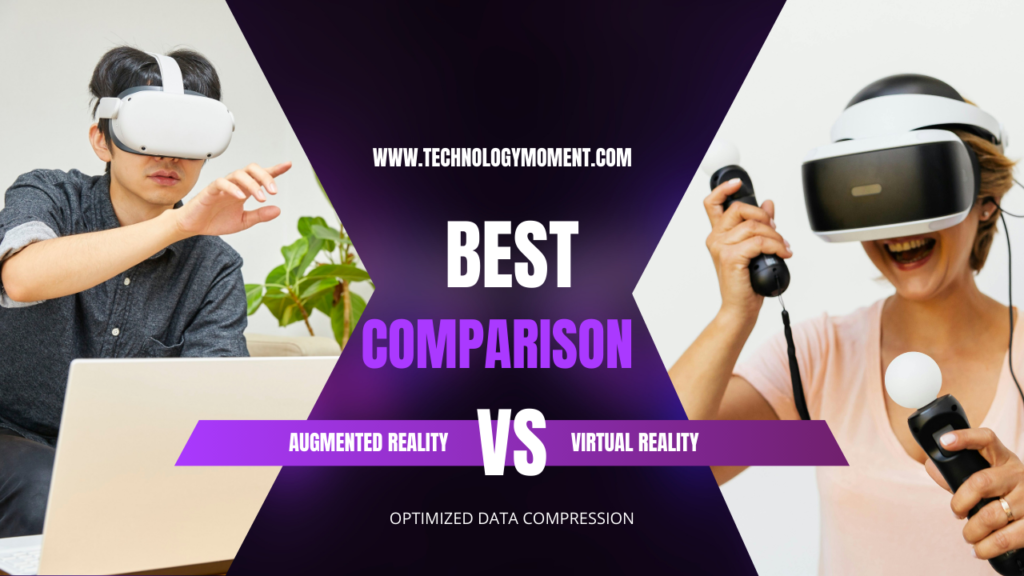
Virtual reality creates a fully digital world. You are completely immersed. Augmented reality adds digital elements to the real world. Both are growing trends in immersive technology. Many future devices may combine both features.
Will virtual reality replace traditional screens?
VR may not fully replace screens, but it will change how we use them. For gaming, training, and virtual meetings, VR offers deeper engagement. As technology improves, immersive experiences may become part of daily digital life.