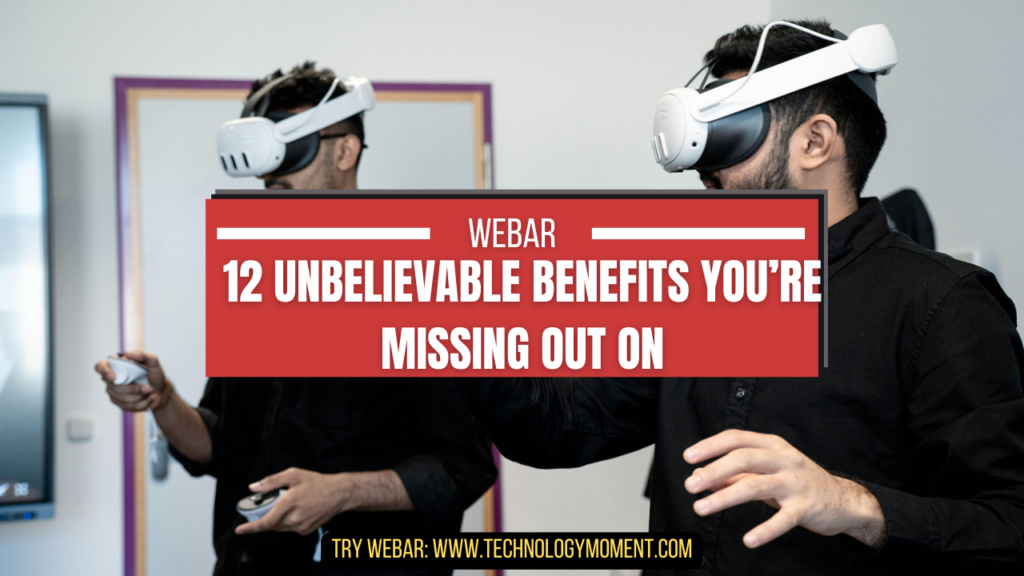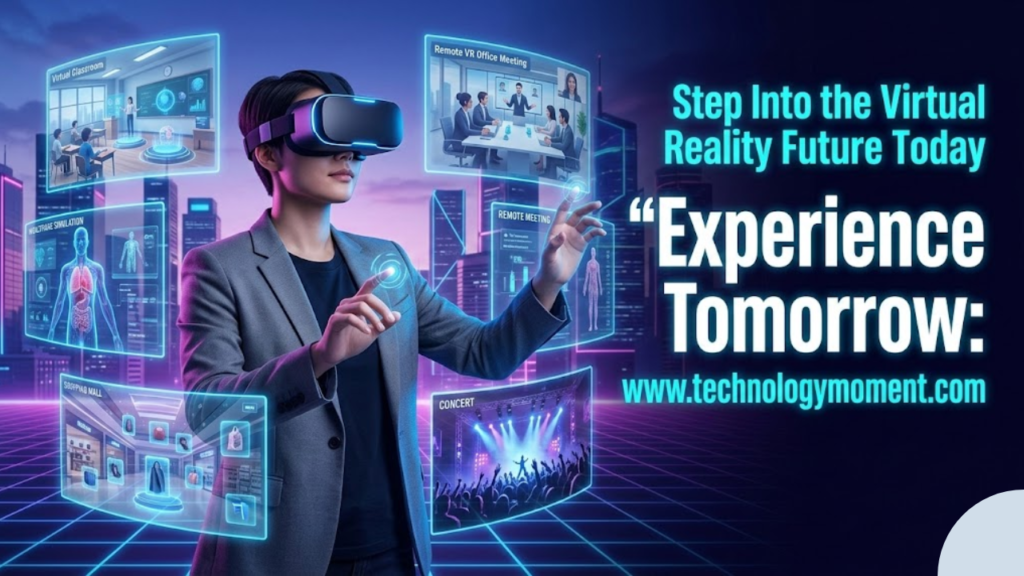
The future of virtual reality technology is not a distant dream anymore. It is already shaping how we learn, work, shop, and connect. At Technology Moment, we explore how emerging tech trends move from hype to real life. Virtual reality Future, or VR, is one of the fastest-growing innovations in digital transformation. Today’s VR systems offer immersive 3D environments, realistic simulations, and interactive experiences that feel almost real. If you think VR is only for gaming, it is time to look again. The global shift toward immersive technology is changing daily life in ways that are both practical and exciting.
The rise of immersive virtual reality experiences is driven by better hardware and smarter software. Modern VR headsets now deliver sharper visuals, lower latency, and full-body motion tracking. This means users can walk through virtual offices, attend digital concerts, or explore historical sites from home. Tech companies are investing heavily in spatial computing, mixed reality, and AI-powered simulations. These upgrades make VR smoother, more comfortable, and more affordable. As internet speeds improve and cloud computing grows stronger, virtual environments become more realistic. The result is a seamless blend of the physical and digital worlds that feels natural and intuitive.
One of the most powerful changes in the future of virtual reality in education and remote work is accessibility. Students can now attend virtual classrooms that simulate labs, workshops, and real-world scenarios. Medical trainees can practice surgeries in safe, virtual environments. Remote workers can meet in VR offices that feel more engaging than video calls. This shift boosts collaboration and improves learning outcomes. Instead of reading about a concept, you can experience it. Businesses also use VR training programs to reduce costs and improve employee performance. These real-world use cases show how VR is becoming a practical tool, not just entertainment.
The business impact of virtual reality innovation is growing fast. Brands use VR for product demos, virtual showrooms, and interactive marketing campaigns. Customers can try products in 3D before they buy. Travel agencies provide 360-degree destination previews. This improves customer trust and increases engagement. Startups and tech giants alike are exploring the metaverse economy, digital assets, and immersive commerce. As demand rises, new career paths in VR development, design, and content creation are opening worldwide. Companies that adapt early gain a competitive edge in this evolving digital landscape.
The virtual reality future trends show that we are entering a new era of digital interaction. VR is not replacing the real world. It is enhancing it. From smart cities to healthcare innovation, immersive tech is becoming part of daily systems. At Technology Moment, we focus on practical insights, real-world examples, and trusted analysis so you can stay ahead of the curve. If you want to understand where technology is heading, virtual reality is one of the key pieces of the puzzle. The future is immersive, interactive, and closer than you think.
Why Virtual Reality Is No Longer Just for Gamers
For years, people linked virtual reality gaming with headsets and fantasy worlds. That image is outdated now. Today, VR touches business, health, travel, and even fitness. When you put on a headset, you are not just playing a game. You are stepping into a tool that can train, teach, heal, and connect people across borders.
Think about virtual reality fitness apps and immersive workout platforms. Many people now exercise inside digital landscapes instead of boring gyms. They box with virtual trainers or cycle through digital mountains. It turns routine into excitement, and that keeps users engaged longer.
Companies also use VR for corporate training. New employees learn skills in safe digital spaces. Pilots train in flight simulators. Engineers test designs in 3D models. These tools reduce risk and save money. They also speed up learning because people remember what they experience.
Even therapy sessions now use virtual reality mental health solutions. Patients face fears in controlled environments. Doctors guide them step by step. This shows us one clear truth. It is about solving real-world problems in smarter ways.
The future of VR depends on realism. And that realism is improving fast. Modern advanced VR headsets offer sharper screens, wider fields of view, and better motion tracking. There is almost no delay. Developers now focus on hyper-realistic immersive experiences. They use spatial audio, so sounds come from exact directions. You hear footsteps behind you. You hear wind from the left. Some systems even test haptic feedback gloves that let you feel textures. This makes the digital world feel solid and alive.
Cloud computing and AI also power this change. With AI-driven virtual environments, scenes react to your behavior. Non-player characters respond naturally. Lighting shifts based on your actions. The world feels less scripted and more organic. It feels like stepping into a living story.
This level of immersion changes how we consume content. Watching a video is passive. Being inside a 360-degree experience is active. You do not just see the story. You live it. That shift is why many experts believe immersive VR technology will shape media, tourism, and even social media in the next decade.
Virtual Reality in Education and Skill Development
Imagine attending a history class inside ancient Rome. With virtual reality in education, that idea becomes real. Students can explore landmarks rather than just read about them. They can walk through science labs without physical risk. This makes learning exciting and memorable.
Online learning has grown worldwide. But many people find flat screens boring. VR solves this with immersive online classrooms. Teachers and students meet as avatars. They interact in shared 3D spaces. This builds presence and reduces isolation, especially for global learners.
Skill development also benefits from VR. Medical students practice surgery in safe digital simulations. Mechanics repair virtual engines. Public speakers rehearse in front of virtual crowds. These VR training simulations allow repetition without fear of failure. That builds confidence.
The best part is accessibility. As devices become cheaper, more schools and institutions adopt VR learning tools. This can help remote regions access quality training. It can reduce travel costs. It can connect experts to students worldwide. Education becomes borderless and deeply interactive.
Remote work changed how we think about offices. Now VR takes it further. With virtual reality workspaces, you can enter a 3D office from your home. You sit at a digital desk. You see teammates as avatars. It feels closer to face-to-face interaction.
Video calls often feel flat and tiring. In contrast, VR remote collaboration tools create a sense of presence. You can walk to a whiteboard. You can point at charts. You can share 3D models in real time. This improves teamwork, especially for creative projects.
Companies also use VR for global meetings. Instead of flying across continents, teams meet in immersive spaces. This reduces travel costs and carbon impact. It also saves time. A designer in Brazil can brainstorm with an engineer in Germany instantly. Distance becomes less important.
As technology improves, the future of remote work VR solutions will become more common. They may replace some physical offices. They may create hybrid models. The idea is simple. Work should not depend on location. VR makes that vision feel practical and achievable.
Healthcare Revolution with Virtual Reality Therapy
When we talk about the future of virtual reality in healthcare, we are not just dreaming big. We are seeing real change happen right now. Doctors and therapists across the world are using virtual reality therapy for mental health, pain relief, and even physical rehabilitation. Imagine putting on a headset and stepping into a calm beach while you are actually sitting in a hospital room. Your brain reacts as if it is real. Your heart rate slows down. Your stress drops. That is the power of immersive VR technology in healthcare.
One of the most exciting trends is VR therapy for anxiety, PTSD, and phobias. Instead of just talking about fear, patients face it safely in a virtual space. Someone scared of flying can sit in a virtual airplane. A veteran with trauma can slowly revisit memories in a controlled setting. Therapists guide each step. The experience feels real, but it is safe. This method helps people heal faster because the brain learns through experience, not just words. That is why many experts see virtual reality mental health treatment as a breakthrough.
Pain management is also changing in a big way. Hospitals now use VR for chronic pain relief and burn treatment. When patients enter a virtual world filled with snow, forests, or games, their focus shifts away from pain. The brain can only process so much at once. If it is busy exploring a new world, it feels less pain. This simple idea is helping children during painful procedures and adults during recovery. That means fewer side effects and a lower risk of addiction.
Training doctors is another major shift in the future of VR in medical education. Surgeons can practice complex operations in realistic 3D simulations. They can repeat a procedure many times without risking real life. Medical students can explore the human body in full scale. They can zoom into tiny blood vessels. Learning becomes active, not passive. In the coming years, virtual reality healthcare solutions will become more affordable and more common. And when that happens, patients everywhere will benefit.
The Future of Social Interaction in the Metaverse
Let’s be honest. Social media already shapes how we connect. Now imagine stepping inside the internet instead of just scrolling through it. That is where the future of social interaction in the metaverse is heading. In virtual spaces, you do not just send a message. You show up as an avatar. You move. You speak. You share a space with someone across the world. It feels closer to real life than a simple video call.
In the metaverse virtual reality world, digital identity becomes powerful. You design your avatar. You choose how you look. You express yourself in new ways. Some people feel more confident behind a digital face. They speak freely. They join global communities based on interest, not location. You can attend a language exchange in Tokyo while sitting in Brazil. You can join a startup meeting in London without booking a flight. Distance starts to lose meaning.
Virtual friendships are also evolving. In immersive social VR platforms, you can watch movies together, play games, attend workshops, or just hang out in a digital café. Body language matters again. You can see hand gestures and head movements. It feels more human than text chats. For remote teams, this creates deeper bonding. For families separated by borders, this creates new forms of closeness. The future of virtual reality social platforms is about presence, not just connection.
Still, there are questions about privacy and mental health. When people spend more time in virtual spaces, balance becomes important. Healthy use matters. But if guided well, metaverse social interaction trends can reduce loneliness and increase collaboration worldwide. The idea is not to replace real life. It is to extend it. The digital world becomes an extra layer of reality, not a substitute.
VR-Powered E-Commerce and Virtual Shopping Malls
Shopping online is easy. But it often feels flat. You scroll. You click. You guess how a product will look in real life. Now imagine walking through a virtual shopping mall in VR, picking up products, and seeing them in 3D before you buy. That is the future of VR-powered e-commerce experiences. It brings back the feeling of physical shopping while keeping the comfort of home.
Brands are now testing virtual reality try-before-you-buy technology. You can wear digital clothes on your avatar and see how they fit your body type. You can place virtual furniture in your real living room using immersive VR tools. You can walk around a digital car showroom and sit inside a new vehicle. This level of interaction builds trust. Customers feel more confident. Returns decrease. Satisfaction increases.
Small businesses can also benefit from immersive e-commerce trends. A local artist can open a virtual gallery. A handmade brand can create a 3D boutique. Customers from any country can visit at any time. There are no rent costs for physical space. There are no borders. This opens the door for global reach. It levels the playing field between big brands and small creators.
The future of virtual reality online shopping platforms will likely blend AI and personalization. Imagine entering a VR store where the layout changes based on your taste. Products appear based on your past purchases. A virtual assistant guides you in real time. It feels like a personal shopping experience built just for you. As hardware becomes cheaper, this type of immersive shopping could become normal, not rare.
The Impact of VR on Entertainment and Live Events
Entertainment was one of the first industries to explore VR, but the next phase is much bigger. The impact of virtual reality on entertainment goes beyond gaming. It touches music, sports, cinema, and even theme parks. Instead of watching a concert on a small screen, you can stand in the front row through a VR headset. You can turn your head and see the crowd. You can feel the energy.
Live sports are also entering a new era with VR live event streaming technology. Imagine sitting courtside at a basketball game without leaving your house. You can choose your viewing angle. You can replay a moment instantly from a different perspective. It creates deeper engagement. Broadcasters are exploring ways to monetize this immersive experience.
Cinema is changing too. In immersive VR storytelling experiences, you are not just watching a story. You are inside it. You can look around. You can follow different characters. The story unfolds around you. This changes how directors think about filmmaking. It becomes less about a single camera angle and more about a full environment. For viewers, it feels personal and intense.
Music festivals, comedy shows, and even art exhibitions are exploring virtual reality event platforms. During global crises, VR helped people attend events safely from home. Now it is becoming a choice, not just a backup. Artists can reach global audiences without travel costs. Fans who cannot afford tickets or flights can still join. The future of VR entertainment is about access and immersion. It makes the world feel smaller and bigger at the same time.
Challenges, Ethics, and the Road Ahead
The virtual reality future looks exciting, but let’s be honest, it also brings serious challenges. When you step into a fully immersive VR world, your data does not just include your name or email. It can track your eye movement, body motion, voice tone, and even emotional reactions. That level of data collection raises major VR privacy concerns. Who owns this data? How is it stored? And what happens if it gets hacked? As VR technology trends grow in 2026 and beyond, companies must focus on strong cybersecurity systems and clear privacy policies. Users like you and me need transparency, not hidden clauses buried in long terms and conditions.
Ethics is another big question in the future of immersive technology. In virtual spaces, people can create new identities through avatars. That sounds fun, right? But it also opens the door to harassment, identity misuse, and fake personas. Digital identity in the metaverse must come with rules and accountability. Developers need to design safe spaces where users feel protected. Parents also worry about children spending long hours in VR. Issues like screen addiction, mental health impact, and exposure to harmful content cannot be ignored. If VR becomes part of daily life, ethical frameworks must evolve just as fast as the hardware.
Accessibility is also part of the road ahead. High-end VR headsets still cost a lot. Not everyone can afford advanced immersive devices. If virtual reality adoption worldwide is to grow, pricing must become more inclusive. Developers also need to think about users with disabilities. Can someone with limited mobility fully enjoy VR? Can visually impaired users benefit from audio-driven immersive environments? True innovation means designing for everyone, not just early adopters. The road ahead for VR is not just about better graphics. It is about responsible innovation, inclusive access, and sustainable growth.
Conclusion: Why the Virtual Reality Future Is Closer Than You Think
If you look around today, you will see clear signs that the virtual reality future is not far away. Companies are investing billions in immersive technology. Schools are testing VR classrooms. Hospitals are using VR for therapy and training. Remote teams are experimenting with virtual offices. These are not small experiments anymore. They are real-world applications shaping the next digital era. The shift is happening quietly but steadily, like the early days of smartphones before they became essential to daily life.
You might think VR is still optional. But think about how fast the internet changed everything. At first, it was just for emails and browsing. Now it powers almost every part of modern life. VR could follow the same path. As advanced VR headsets, faster internet speeds, and AI integration improve, immersive experiences will feel more natural and affordable. What feels futuristic today may feel normal in five years. That is how technology works. It surprises us, then becomes routine.
The exciting part is that you are not just a spectator in this transformation. You are part of it. Whether you explore virtual events, attend VR meetings, or learn new skills through immersive training, your choices shape demand. The future of virtual reality technology depends on users who are curious but also thoughtful. If innovation continues responsibly, the changes ahead will not just be shocking. They will be life-enhancing. And you might look back one day and wonder how you ever lived without stepping into another world with a simple headset.
FAQs About the Future of Virtual Reality
What is the future of virtual reality in everyday life?
The future of virtual reality in everyday life looks more practical than you might expect. VR is slowly moving beyond gaming and entertainment. It is entering education, healthcare, shopping, and even remote work. Imagine attending a meeting where you feel like you are sitting across the table, even though you are thousands of miles away. That is not science fiction anymore. As devices become lighter and cheaper, VR will likely become part of daily routines, just like smartphones did.
Is virtual reality safe for children and teenagers?
Many parents worry about VR safety for kids and teens, and that concern makes sense. Most VR companies set age recommendations because young eyes and brains are still developing. Short sessions are generally safe, but long hours inside immersive worlds can cause eye strain or dizziness. Content control is also important. Parents should check age ratings and monitor usage time. When used responsibly, VR can be educational and creative rather than harmful.
Will virtual reality replace traditional jobs?
It is unlikely that VR will completely replace traditional jobs, but it will change how many roles work. The impact of virtual reality on jobs is more about transformation than elimination. For example, teachers can use VR to create immersive lessons. Doctors can practice surgeries in virtual simulations. Designers can build 3D models in interactive spaces. Instead of removing people from work, VR often gives them better tools to do their jobs more effectively.
How affordable will VR technology become in the future?
Right now, some high-end devices still cost a lot. But trends show that affordable VR headsets are becoming more common. As production increases and competition grows, prices usually fall. We saw this happen with smartphones and smart TVs. Standalone VR devices are already cheaper than older models that required powerful computers. In the next few years, more people around the world will likely gain access to immersive technology at reasonable prices.
What are the biggest risks of the virtual reality future?
The biggest risks include privacy concerns, data misuse, and digital addiction. VR systems can track detailed user data, which raises questions about security. There is also the risk of spending too much time in virtual spaces instead of real-life interactions. Ethical design and clear regulations are crucial for safe growth. If companies focus on responsible virtual reality development, the technology can evolve in a way that benefits users rather than harms them.