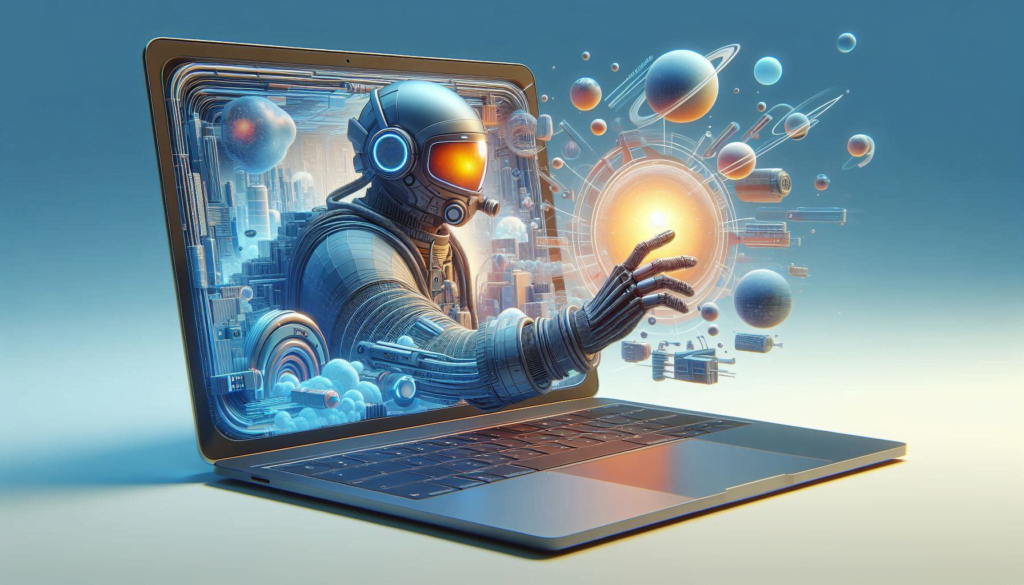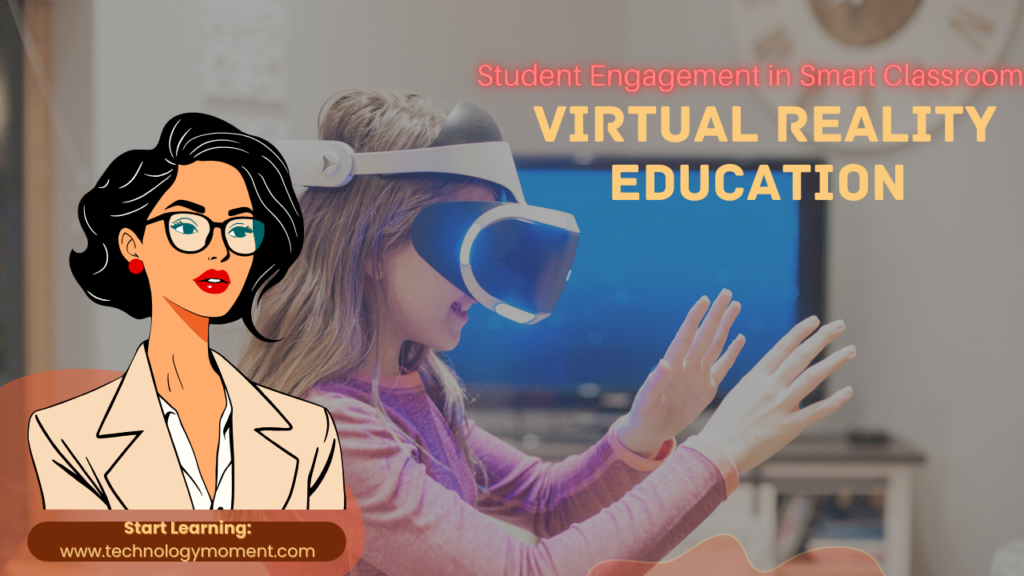
If you have ever wished students could step inside their lessons, you are not alone. At Technology Moment, we explore how virtual reality in education is changing the way students learn across the globe. Virtual Reality education uses headsets and interactive software to create 3D learning spaces. Instead of watching a history video, they can walk through ancient cities. This shift from passive learning to active exploration makes learning exciting, memorable, and deeply engaging.
Virtual reality in modern classrooms works through VR headsets, motion sensors, and interactive apps. These tools create a fully immersive digital learning environment. Students can look around, move, and interact with objects in real time. Many schools now use affordable VR devices with cloud-based platforms and AI-powered education tools. Teachers control the lesson while students explore safely. This hands-on approach supports STEM education, medical training simulations, and even language learning. It feels real, and that feeling improves focus.
One of the biggest advantages of VR learning technology for student engagement is attention. When students feel present in a lesson, they stay focused longer. VR supports visual learners, auditory learners, and kinesthetic learners at the same time. It boosts knowledge retention because students learn by doing, not just watching. For example, a biology student can explore the human heart in 3D. A geography class can stand inside a volcano. These immersive education tools create an emotional connection, and that connection helps memory stick.
Around the world, schools and universities use virtual reality classroom solutions for interactive education. Medical students practice surgery in safe simulations. Engineering students test designs in virtual labs. Remote learners join collaborative VR classrooms from home. Even corporate training now uses VR for skill development. Compared to traditional e-learning, VR makes lessons more interactive and practical. It also reduces risk and cost in training-heavy fields. This is why immersive EdTech solutions are trending in global education systems.
The future of education technology is immersive, personalized, and data-driven. VR integrates with AI, gamification, and adaptive learning systems. It creates smart learning paths based on student progress. As devices become cheaper and internet access improves, more institutions will adopt VR-based education platforms. At Technology Moment, we believe the goal is simple: make learning powerful, practical, and engaging. Virtual reality does exactly that. It turns education from something students have to do into something they want to experience.
How VR is Transforming Modern Classrooms
Virtual reality in modern classrooms is changing how students feel about learning. Instead of staring at slides, they step inside lessons. A history class can turn into a walk through ancient cities. A biology lesson can become a journey inside the human heart. When learning feels real, students stay curious.
Teachers now use immersive learning technology to create a deeper focus. VR headsets block outside noise and distractions. This helps students stay present. It feels like entering a quiet world built only for learning. That kind of focus is powerful.
Interactive virtual classrooms also promote hands-on learning. Students can move objects, test ideas, and see results in real time. They are not just watching. They are doing. Active learning like this builds confidence and critical thinking skills.
Modern VR tools also support collaborative learning. Students from different countries can meet in the same virtual space. They can solve problems together. This global connection builds communication skills and cultural awareness. Education no longer feels limited by walls.
Benefits of Virtual Reality for Student Engagement
Student engagement often drops when lessons feel dull. VR changes that fast. It turns passive listening into active discovery. When students explore a 3D world, their brain stays alert. They want to know what happens next.
Immersive learning increases attention span. Short virtual simulations feel exciting. Students stay focused longer because they are involved. It feels less like schoolwork and more like an adventure. That shift makes a big difference.
Virtual reality also boosts emotional connection. When students experience events, they feel them. Walking through a virtual rainforest creates empathy for climate change. Exploring space builds wonder about science. Emotion helps memory stick.
Another key benefit is better knowledge retention. Studies show that experiential learning improves memory recall. When students see and do, they remember more. VR-based education tools support this natural way of learning. It’s learning by living, not just reading.
Virtual Reality in STEM Education
STEM education becomes more exciting with VR technology. Science, technology, engineering, and math often involve complex ideas. VR makes them simple and visual. Students can see atoms move or watch chemical reactions safely. This removes fear and builds curiosity.
Virtual science labs are changing experiments worldwide. Schools with limited lab space can still offer safe practice. Students can mix chemicals or test physics concepts without risk. This makes STEM learning accessible and inclusive.
Engineering and coding lessons also benefit from VR simulations. Learners can build virtual machines or test designs instantly. They can see mistakes and fix them fast. This speeds up learning and improves problem-solving skills.
VR in math education helps students visualize abstract ideas. Geometry becomes a 3D experience. Graphs come alive in space. When students see math in action, numbers make sense. That clarity builds confidence.
VR for Remote Learning and Online Education
Remote learning became common around the world. Yet many online classes feel lonely and flat. VR for online education changes that experience. It creates virtual campuses where students meet face to face through avatars. This makes digital learning feel human again.
Virtual classrooms support real-time interaction. Students can raise hands, join discussions, and work in groups. It feels closer to physical school. Social connection improves motivation and reduces isolation.
Distance learning with VR also removes geographical barriers. A student in India can attend a workshop in Europe. A learner in Africa can explore a museum in the United States. Global education becomes possible without travel costs.
Online learning platforms using VR technology also support flexible study. Students can learn at their own pace. They can repeat simulations anytime. This builds independence and self-confidence. VR-powered remote education is not just a backup plan. It is the future of immersive global learning.
Improving Knowledge Retention Through VR
You are not alone. Many students face this problem because traditional learning depends on reading and memorizing. Virtual reality education changes this by helping you learn through real-world experience rather than plain text.
When you enter a virtual environment, your brain treats it like a real-world event. This is why immersive learning with virtual reality improves memory retention. You do not just see the content. You interact with it. You move around it. You feel like you are inside the lesson.
For example, learning human anatomy in a VR classroom allows you to explore organs in 3D. You can rotate the heart. You can walk inside the lungs. This kind of experiential learning using VR creates strong mental connections that last longer.
Students who use virtual reality learning tools often remember concepts faster. They also recall information for a longer time. This happens because the brain links visuals, motion, and actions together during learning.
In simple words, VR-based learning helps you remember what you learn because you actually live the lesson instead of reading it.
VR-Based Gamification in Learning
Let’s talk about something students love—games. VR-based gamification in education makes that possible. Gamified virtual reality learning turns lessons into fun challenges. You earn points. You unlock levels. You solve problems inside virtual worlds. This makes students more active and excited to learn.
Instead of solving math problems on paper, imagine solving them inside a VR puzzle game. Instead of reading history from a book, imagine completing missions in a virtual ancient city. This type of game-based VR education increases student motivation and focus.
Learning becomes less stressful and more enjoyable. Students stay engaged for longer periods because they want to win or achieve the next reward. This improves attention span in VR classrooms.
When education feels like play, students do not feel forced to study. They choose to learn on their own.
Personalized Learning Through VR
Every student learns at a different speed. Some understand quickly. Some need more time. Personalized virtual reality learning helps solve this problem. VR adaptive learning systems adjust lessons based on your performance. If you struggle with a topic, the system provides extra practice. If you do well, it moves you to the next level. This creates customized VR learning paths for students.
You can repeat lessons without pressure. You can explore concepts again until you fully understand them. This removes the fear of asking questions in front of others. Virtual reality learning platforms also provide real-time feedback. You know instantly where you made a mistake. You can correct it on the spot. This kind of individualized VR education makes learning more comfortable and effective for students across the world.
Students with special learning needs often face challenges in traditional classrooms. Virtual reality in special education creates a safe and supportive learning space. VR helps students with attention disorders focus better. The immersive environment reduces outside distractions. This makes it easier to stay on task.
For students with autism, VR-based social skills training offers real-life practice in a controlled setting. They can interact with virtual characters and learn communication skills step by step. Virtual reality learning tools also support students with physical disabilities. They can explore places and perform tasks that may be difficult in real life.
This inclusive VR education approach ensures that every student gets equal learning opportunities.
Many people think virtual reality in education is expensive. That was true before. But today, affordable VR learning tools are becoming common worldwide. Low-cost VR headsets and mobile-based VR apps make immersive learning possible even in developing regions. Schools can now introduce digital learning with virtual reality without large budgets.
Cloud-based VR education platforms also reduce the need for heavy hardware. Students can access virtual classrooms from home. Global education systems are slowly adopting VR technology because of its growing accessibility. Governments and private institutions are investing in smart classroom solutions. As technology becomes cheaper, virtual reality education will reach more students across the world.
Teacher’s Role in VR Learning Environment
Teachers are no longer just instructors in a virtual reality classroom. They become guides who help students explore digital worlds with purpose. When learners wear VR headsets, they enter an experience that feels real and exciting. But without the teacher’s direction, that experience can lose focus quickly. So, the teacher helps connect immersive virtual reality education with actual learning goals.
In a VR learning environment, teachers design meaningful learning journeys. They decide when and how virtual reality tools should be used during lessons. This helps students stay on track while exploring 3D simulations. For example, a history teacher can guide students through a virtual museum tour. That way, students understand context instead of just watching visuals.
Teachers also play a big role in managing student behavior in virtual classrooms. When students are engaged in immersive learning, they may forget time or instructions. The teacher ensures students follow tasks and complete activities. This keeps the learning process smooth and effective in modern VR classrooms.
Another important role is assessing student performance in virtual learning environments. Teachers observe how students interact with simulations. They check how learners solve problems in virtual labs or science experiments. This helps them understand if immersive education improves knowledge retention.
Teachers must also learn how to use VR learning platforms confidently. Training programs for virtual reality in education help them stay updated with trending teaching tools. When teachers feel comfortable with technology, students learn better. This builds trust in digital transformation in education worldwide.
Challenges of VR Integration in Education
Virtual reality education offers exciting possibilities, but it also comes with real challenges. One major issue is the cost of VR equipment. Many schools around the world still struggle to afford basic digital tools. So, investing in immersive learning technology may seem difficult at first.
Technical problems can also disrupt VR-based lessons. Slow internet speed or outdated devices may cause delays. Students may feel frustrated when simulations lag or freeze. This can reduce engagement in virtual classrooms instead of improving it.
Another challenge is the lack of teacher training in immersive education tools. Some educators feel unsure about using VR headsets or software. Without proper training, even the best virtual reality learning solutions may not deliver results. This makes professional development very important for global education systems.
Health concerns are also discussed when using VR in classrooms. Long use of headsets may cause eye strain or discomfort. Teachers must ensure that students use VR safely and in short sessions. This helps maintain both physical health and focus during digital learning.
Infrastructure remains a major barrier in many developing countries. Reliable electricity and strong internet are not always available. Schools in rural areas may find it hard to support VR learning environments. So, global adoption of virtual reality in education requires better planning
Best Practices for Implementing VR in Schools
To implement virtual reality in schools successfully, planning is essential. Schools should first understand their learning goals. They must choose VR tools that support subjects like science, geography, or engineering. This ensures immersive learning matches academic needs.
Teachers should introduce VR lessons gradually in classrooms. Starting with short virtual reality sessions helps students adjust easily. This reduces confusion and builds confidence among learners. It also allows teachers to manage digital classrooms better.
Creating interactive lesson plans is another best practice. VR works best when students perform tasks inside simulations. For example, students can conduct virtual chemistry experiments. This improves active learning and boosts student engagement.
Schools should also provide regular training for teachers. Workshops on VR teaching methods can improve classroom outcomes. When teachers understand immersive education technology, they use it more effectively. This supports personalized learning in virtual environments.
Finally, schools must ensure equal access to VR tools. Shared VR labs or scheduled sessions can help. This makes immersive education available to more students globally. Accessibility is key to future-ready classrooms.
Conclusion
Virtual reality in education is changing how students learn across the world. It brings subjects to life through immersive learning environments. Students feel more connected to lessons when they experience them directly.
Teachers play a crucial role in guiding these virtual journeys. They help students turn digital exploration into meaningful knowledge. Without their support, VR may become just another gadget.
While challenges like cost and infrastructure exist, solutions are growing fast. Affordable VR tools and training programs are becoming more common. This makes immersive education easier to adopt.
By following best practices, schools can create engaging VR classrooms. Careful planning and teacher training make a big difference. This improves student participation and learning outcomes.
In the future, virtual reality education may become a normal part of classrooms. It supports interactive learning and global collaboration. That’s how VR unlocks amazing student engagement.
FAQs
How does virtual reality improve student engagement in classrooms?
Virtual reality improves student engagement by creating immersive learning experiences. Students interact with content instead of just reading it. This makes lessons more interesting and active. As a result, learners stay focused longer.
Is virtual reality education suitable for all subjects?
Yes, VR can support many subjects like science, history, and geography. It helps students visualize complex concepts easily. Virtual labs and simulations improve understanding. This makes learning more practical.
Do teachers need special training for VR teaching?
Teachers benefit from training in VR learning tools. Training helps them manage virtual classrooms effectively. It also improves lesson planning using immersive education methods. This ensures better learning outcomes.
What are the main challenges of VR in education?
Cost, technical issues, and lack of infrastructure are common challenges. Some schools may struggle with internet access. Teacher training is also needed for smooth integration. These issues require proper planning.
Can VR support remote learning globally?
Yes, VR supports remote learning by creating virtual classrooms. Students from different countries can learn together. It bridges the distance gap in online education. This improves global collaboration.