If you’ve ever wondered how virtual reality applications are changing real-world industries, you’re not alone. At Technology Moment, we often explore how emerging tools are reshaping the way we live, learn, and work—and Virtual Reality (VR) is leading that shift. In simple terms, VR creates a fully digital environment where you can look around, move, and interact just like you would in real life. Using VR headsets and motion sensors, you step into immersive virtual worlds that feel real. This is why practical virtual reality applications in everyday life are now trending across global tech markets.
Modern VR technology for real-world applications combines 3D graphics, sensors, and artificial intelligence to simulate real experiences. Let’s say you want to learn how to repair an engine or perform surgery. Instead of reading manuals or watching videos, VR lets you practice in a safe digital space. For example, medical students can train using VR simulation tools for surgical practice, while engineers can test designs using immersive virtual product prototyping. These use cases reduce risk, save time, and improve skill-building—making VR one of the most valuable tools in today’s digital transformation journey.
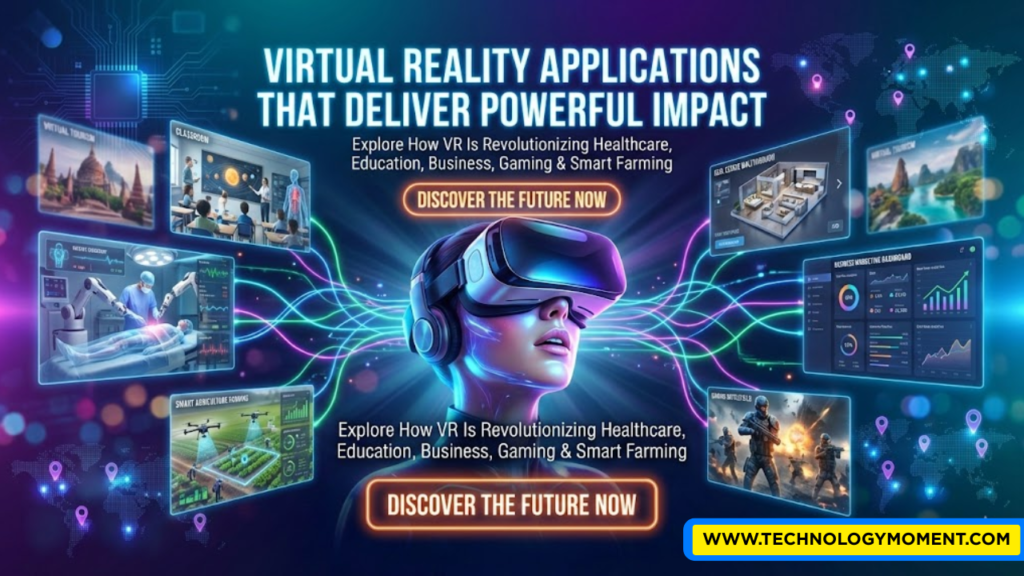
You might think VR is only for gaming, but the best virtual reality applications beyond gaming now include education, healthcare, business, tourism, and real estate. Students use VR-powered classrooms for immersive learning. Real estate companies offer virtual property tours using VR technology so buyers can explore homes from anywhere. In retail, brands are adopting VR shopping experiences for online customers to help them visualize products before purchase. These practical uses show how VR bridges the gap between digital and physical experiences in a way no other technology can.
One of the biggest advantages of using VR in business and education sectors is risk-free training. Pilots, doctors, and factory workers can practice dangerous tasks without facing real-world consequences. VR also improves collaboration through virtual reality remote team meetings, where teams interact inside shared digital workspaces. Compared to traditional video calls, this makes communication more engaging and productive. For companies aiming to improve efficiency, VR offers cost-effective training and real-time problem-solving solutions.
As industries move toward automation and smart solutions, future-ready virtual reality technology trends are becoming impossible to ignore. VR is now being integrated with AI, IoT, and cloud computing to create smarter ecosystems. Imagine smart farming training using VR or virtual tourism experiences before booking a trip. These innovations are already happening—and Technology Moment continues to bring you insights that matter. As VR adoption grows, its impact on productivity, creativity, and user experience will only expand.
In short, virtual reality applications for real-world impact are not just a trend—they are shaping the future of global technology. Staying informed today can help you stay ahead tomorrow.
How Virtual Reality Technology Works
When you put on a VR headset, you are not just watching a screen. You are stepping inside a digital world that moves with you. Virtual reality technology tracks your head, eyes, and even your hands. It then adjusts the scene in real time. This is how immersive virtual reality experiences feel natural and real.
A VR headset shows two slightly different images to your eyes. Your brain combines them into one 3D space. This simple trick creates depth and distance. It feels like you can reach out and touch things. That is why modern VR technology in real-world applications feels so powerful.
Sensors play a big role in making everything smooth. They track your body movement and position. This creates motion-based virtual environments that respond instantly. It reduces delay and improves user comfort.
Controllers help you interact with the virtual space. You can grab objects, open doors, or draw in the air. Some systems even track your fingers. This makes interactive VR training solutions more useful for global industries.
Artificial intelligence also improves virtual reality systems. AI helps the system predict your next move. It can improve graphics and reduce lag. This makes real-time virtual reality simulations faster and smarter for global users.
Virtual Reality in Healthcare
Virtual reality in healthcare is changing how doctors learn and treat patients. Medical students can now practice surgery in a safe digital space. They can repeat procedures again and again. This helps them build confidence before real operations.
Doctors also use VR for pain management therapy. Patients wear a headset and enter a calm virtual world. It distracts the brain from pain signals. This method works well for burn patients and post-surgery care.
Mental health therapy with VR is also growing fast. People with anxiety or fear can face their triggers safely. For example, someone afraid of heights can try virtual exposure therapy. This helps them slowly reduce stress in a controlled setting.
VR rehabilitation programs are helping stroke patients recover faster. They can perform guided exercises in a fun virtual space. It improves motor skills and muscle memory. Remote healthcare training with VR is also trending worldwide. Doctors in different countries can learn together. They can join the same simulation room online. This improves global medical collaboration and training quality.
VR Applications in Education and E-Learning
VR in education is making learning more exciting and interactive. Students are no longer limited to books or slides. They can explore the solar system or walk through ancient cities. This creates immersive learning environments for students worldwide.
Virtual classrooms allow learners to join from any country. They can sit in a digital classroom with others. Teachers can explain concepts using 3D models. This improves understanding and memory retention.
VR-based skill training is also useful for technical subjects. Engineering students can test machine parts. Science students can explore the human body. This hands-on virtual learning approach builds real skills.
Gamified VR education platforms turn lessons into games. Students complete tasks to move forward. This keeps them engaged and motivated. It makes remote learning with virtual reality more fun.
Corporate e-learning with VR is also popular today. Employees can learn workplace safety or soft skills. They can practice real-life situations without risk. This improves global workforce training and productivity.
Virtual Reality in Business and Marketing
Businesses are using VR to create better customer experiences. Instead of showing photos, brands offer virtual product demos. Customers can explore products in 3D before buying. This improves trust and decision-making.
Virtual showrooms are changing online shopping trends. You can walk through a digital store from home. You can check product size, design, and color. This creates immersive shopping experiences with VR technology.
Real estate companies also use VR for property tours. Buyers can visit homes without traveling. They can explore every room in real time. This saves time and cost for both buyers and agents.
VR marketing campaigns are also gaining attention. Brands use storytelling in virtual worlds. Customers become part of the story. This builds emotional connection and brand loyalty.
Remote team collaboration with VR is another trending use. Teams can meet in virtual offices. They can discuss plans using 3D charts. This improves global business communication and teamwork.
Virtual Reality in Gaming and Entertainment
When you think about the future of gaming, virtual reality gaming experiences are already leading the way. You are no longer pressing buttons on a screen. Instead, you are stepping inside the game world. You can move your hands, walk around, and interact with objects in real time. It feels less like playing and more like living inside a digital universe.
Today’s immersive VR gaming technology makes stories feel real and personal. You can look around a virtual battlefield or explore a fantasy land as if you are truly there. Many modern VR entertainment platforms now offer realistic sound, motion tracking, and 360-degree visuals. This creates a deeper emotional connection with the content you enjoy.
Virtual reality is also changing how we watch movies and live shows. Imagine sitting in a virtual cinema with people from different countries. You can watch concerts, sports, or films together without leaving home. This new form of VR-based digital entertainment is gaining global attention.
Content creators are now using virtual storytelling tools to design interactive stories. You are not just watching a character’s journey. You are part of it. This makes the future of VR gaming and entertainment more engaging than traditional formats.
As more people seek interactive gaming experiences, VR will continue to grow. The demand for realistic virtual environments and real-time gameplay is rising fast. Gaming is no longer about escape. It is about immersion.
VR in Real Estate and Architecture
Buying a property often takes time and effort. You need to visit many places before making a choice. But with virtual reality real estate tours, you can explore homes from anywhere in the world. You can walk through rooms, check the layout, and view designs without being there physically.
This technology helps global buyers who cannot travel easily. You can sit in your home and still tour a luxury apartment in another country. VR property viewing tools give you a real sense of space and design. It feels like you are already inside the house.
Architects are also using virtual reality architecture design tools to build better structures. They can create 3D models and step inside them before construction starts. This helps in spotting design issues early. It saves time, money, and effort.
Clients can now see how their future homes or offices will look. They can request changes before the building process begins. This makes VR-based architectural visualization very useful for decision-making.
In today’s fast-moving world, interactive property visualization is becoming essential. Real estate companies are using VR to improve customer experience. It turns property buying into a smart and stress-free process.
Virtual Reality in Tourism and Travel
Traveling the world is a dream for many people. But time, cost, and distance can make it hard. With virtual reality travel experiences, you can explore famous places without leaving your home. You can visit museums, beaches, or historical sites in a few clicks.
This is why VR tourism technology is growing globally. You can enjoy a virtual walk through ancient cities or modern attractions. It feels like you are actually there. This makes travel planning easier and more exciting.
Many travel agencies now use immersive virtual tours to attract customers. You can preview hotels, resorts, or destinations before booking. This helps you make better travel choices.
VR also supports cultural learning. You can explore traditions, art, and architecture from different countries. It connects you with global cultures through digital travel platforms.
As demand for remote travel solutions grows, virtual tourism platforms will expand further. VR makes travel more inclusive for everyone. It brings the world closer to you.
VR in Military and Defense Training
Training soldiers in real-life combat situations can be risky and expensive. Virtual reality military training offers a safer solution. Soldiers can practice missions in a simulated environment without real danger.
This technology helps in creating realistic battle scenarios. Trainees can learn how to respond to threats and emergencies. VR-based defense simulations improve reaction time and decision-making skills.
It also reduces training costs. Real equipment and physical setups are not always needed. Virtual training environments provide a practical learning experience.
Disaster response teams can also benefit from VR emergency simulations. They can train for rescue missions and crisis management. This prepares them for real-world situations.
With growing global security needs, immersive defense training tools are becoming essential. VR helps create skilled and confident personnel safely.
Virtual Reality in Agriculture
Agriculture is changing with modern technology. Virtual reality farming solutions are helping farmers learn new skills. They can practice farming techniques in a digital environment.
Farmers can use VR crop management training to understand soil health and irrigation methods. They can also learn how to use modern equipment. This improves productivity and efficiency.
VR-based smart agriculture tools help in planning crop cycles. Farmers can see how weather changes may affect their crops. This supports better decision-making.
Training new farmers becomes easier with virtual farming simulations. They can gain practical knowledge without taking real risks. This is useful for beginners.
As global food demand increases, VR in agriculture technology will grow. It helps farmers adopt modern practices faster. It also promotes sustainable farming methods.
Benefits of Virtual Reality Applications
Virtual reality is no longer just a gaming trend. Today, it plays a real role in solving real-world problems across many industries. One major benefit of virtual reality applications in healthcare training is safe practice. Medical students can learn surgery skills without touching an actual patient. This reduces risk and builds confidence. It also improves learning speed in a controlled environment.
Another strong advantage is cost savings in virtual reality training programs. Companies do not need to build physical setups again and again. Instead, they can create one immersive virtual training module and reuse it many times. This helps in employee training with VR technology across global teams. Remote learning becomes simple and effective through immersive virtual learning environments.
Virtual reality in education and e-learning also makes lessons more interactive. Students do not just read or watch. They experience history, science, and even space exploration in 3D simulations. This improves memory and engagement. It turns boring topics into fun activities that are easier to understand.
VR applications in real estate virtual property tours save time and travel costs. Buyers can explore homes without visiting the site physically. This is helpful for international clients and remote investors. It also improves customer experience through virtual walkthroughs and 360-degree tours.
Virtual reality in mental health therapy supports people dealing with stress and anxiety. Guided VR sessions help users relax and face fears in a safe environment. It creates calm digital spaces that support emotional healing. This is why VR therapy for anxiety management is becoming a trending topic worldwide.
Challenges and Limitations of VR
Even though VR technology is powerful, it still faces some challenges. One major issue is the high cost of VR hardware and software development. Many small businesses cannot afford advanced headsets or VR development tools. This slows down the adoption of virtual reality in business operations.
Accessibility in virtual reality technology is another limitation. Not everyone has access to high-speed internet or compatible devices. In many regions, digital infrastructure is still developing. This creates a gap in the global use of immersive technology solutions.
Some users also feel motion sickness during VR experiences. This is called VR-induced discomfort. It happens when your eyes see movement, but your body does not feel it. Developers are working on better solutions to reduce this problem in modern VR systems.
Privacy and data security in virtual reality environments are also growing concerns. VR systems collect user movement and interaction data. This data must be protected carefully. Without strong security systems, users may hesitate to trust VR platforms.
Content development in immersive virtual reality platforms takes time. Creating high-quality 3D environments needs skilled designers and developers. This increases project timelines. It also makes VR implementation in industries slower than expected.
Future Trends in Virtual Reality
The future of virtual reality technology looks exciting. One growing trend is the integration of VR with the metaverse ecosystem. People can attend meetings, concerts, or classes in digital worlds. This creates new opportunities for remote work using VR platforms.
Another major trend is VR combined with artificial intelligence in training systems. AI can track user behavior and adjust the learning experience in real time. This makes personalized virtual learning more effective. It improves training outcomes in industries like healthcare and aviation.
Virtual reality in smart cities and urban planning is also gaining attention. Architects can design buildings and test layouts before construction begins. This reduces planning mistakes. It also saves resources in large infrastructure projects.
VR applications in online shopping experiences are changing e-commerce trends. Customers can try clothes or view furniture in their home space using virtual previews. This improves buying decisions and reduces product returns.
The use of VR in agriculture training simulations is another emerging trend. Farmers can learn modern farming techniques in digital environments. This supports smart farming education and improves crop management skills globally.
Conclusion
Virtual reality applications are shaping the future of how we learn, work, and interact. They create immersive experiences that improve training, education, healthcare, and customer service. From virtual classrooms to digital therapy sessions, VR continues to deliver a powerful impact worldwide.
Although challenges like cost and accessibility still exist, innovation is moving fast. Developers are working on better hardware and smarter software. This will make VR more affordable and user-friendly in the coming years.
The future of immersive virtual reality technology holds endless possibilities. Businesses, educators, and healthcare providers can all benefit from it. As VR becomes more accessible, its role in daily life will grow stronger across global communities.
FAQs
What are the main benefits of virtual reality applications in education?
Virtual reality in education improves engagement and understanding. Students learn by experiencing real-world simulations. This helps them remember concepts better. It also supports remote learning through immersive virtual classrooms.
Is VR technology expensive for small businesses?
However, long-term savings in training and operations are possible. Many companies now invest in VR training programs to reduce travel and setup costs.
Can virtual reality be used for mental health treatment?
Yes, VR therapy is used to manage stress and anxiety. It creates calming digital environments. Therapists guide patients through relaxing or exposure-based sessions.
What industries are using VR technology today?
Healthcare, education, real estate, gaming, retail, and tourism are major users. VR is also used in military training and agricultural learning programs.
What is the future of virtual reality technology?
The future includes AI-powered VR training and metaverse integration. VR will support smart cities, online shopping, and global remote collaboration.