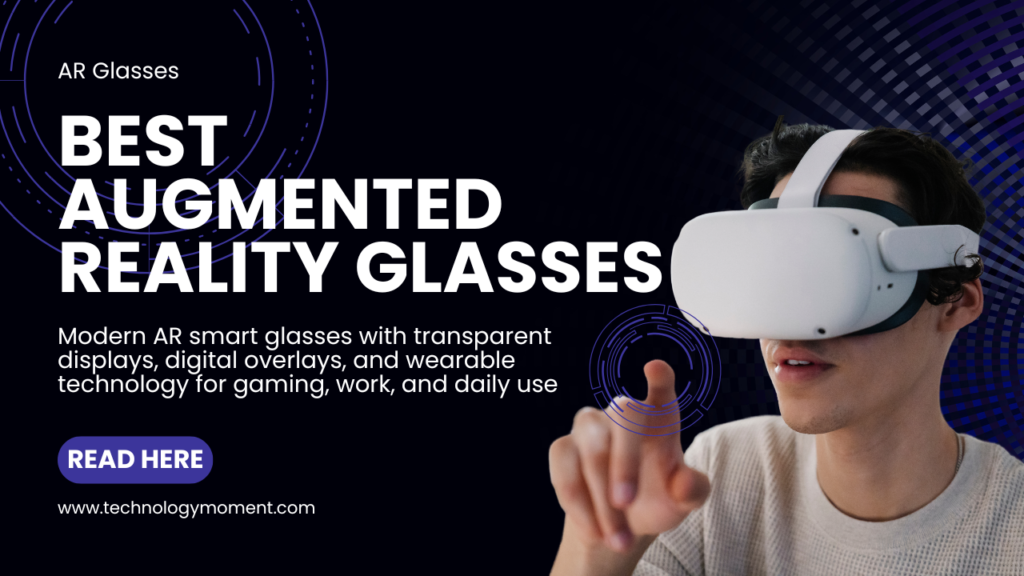
If you’ve ever wondered how virtual reality works in real life, step by step, you’re not alone. Virtual Reality (VR) is no longer just a sci-fi dream — it’s a fast-growing technology changing how we learn, work, play, and even shop. At Technology Moment, we believe VR is not about escaping the real world; it’s about enhancing it. In simple terms, Virtual Reality uses computer-generated environments to place you inside a digital space where you can look around, move, and interact as if you’re physically present. This immersive technology experience with VR headsets is now being used in gaming, education, healthcare, and even remote business meetings across the globe.
So, how does this “feeling of being there” actually happen? The basic working principle of virtual reality technology depends on three things: visuals, motion tracking, and sound. A VR headset displays two slightly different images for each eye. This creates a 3D effect known as depth perception in virtual environments. Sensors inside the headset track your head movement in real time, which allows the digital world to move as you move. This real-time motion tracking in VR systems makes everything feel natural and smooth. It’s just like looking around in the real world — except now, you’re inside a virtual classroom, a space station, or a football stadium.
The real magic of VR shows up in practical use. Today, virtual reality technology for training and education is helping doctors practice surgeries without touching a real patient. Students can visit ancient cities without leaving their classrooms. Engineers are using VR simulation tools to design machines before building them. Even retail brands are offering virtual try-on experiences so customers can see how clothes or furniture will look before buying. These real-world applications of VR in business and healthcare are making work safer, faster, and more efficient. And yes — gamers are still loving it too.
The biggest benefit of using immersive VR technology in everyday tasks is a better understanding through experience. Reading about something is helpful, but experiencing it in a virtual environment is powerful. For example, VR-based learning platforms for students improve memory retention because people remember what they do more than what they read. Companies are also saving money by using VR for employee safety training programs instead of real-world setups. This reduces risk while improving skills — a win-win situation.
As the future of virtual reality technology in modern industries continues to grow, VR is expected to merge with AI, 5G, and cloud computing to create smarter digital experiences. Imagine attending meetings in a virtual office or walking through your dream home before it’s even built. These next-generation virtual reality solutions are already in development. At Technology Moment, we see VR as more than a trend — it’s a powerful tool that’s shaping the future of digital interaction across industries worldwide.
How Virtual Reality Works
Virtual Reality works by creating a computer-made world that feels real to your brain. When you wear a VR headset, the system blocks your real-world view. It replaces it with a digital space that moves when you move. This makes your mind believe that the virtual world is your real environment.
Inside the headset, two tiny screens show two slightly different images. One image goes to your left eye. The other goes to your right eye. Your brain combines both images into one 3D scene. This simple trick helps you feel depth and distance inside the virtual world.
Now comes the smart part. The VR system tracks your head position in real time. When you turn your head left or right, the digital world also shifts. This change happens in milliseconds. So, the scene updates just like it would in real life.
The system also uses sensors, cameras, and processors to manage your movement. It collects data from your actions. Then it sends that data to the software engine. The engine renders a new frame instantly.
This fast loop between your movement and the digital response builds presence. You do not just see the virtual space. You feel like you are inside it. That is the core working principle of Virtual Reality technology.
Concept #1 – Immersion
Immersion is what makes Virtual Reality feel magical. It is the sense of being fully inside a digital space. You are not just watching a scene. You are living in it.
Think of it like reading a great story. When the story is good, you forget where you are. VR does the same thing, but with your eyes and ears. It replaces your real-world senses with digital signals.
A wide field of view helps a lot here. When the headset covers your full vision, your brain stops seeing the real world. It starts accepting the virtual world as the main space. This makes the experience deep and engaging.
Visual details also play a big role. High-quality textures and lighting improve realism. When shadows move naturally, your brain trusts the scene more. This builds stronger immersion.
Sound adds another layer to this feeling. This natural reaction means your brain believes the virtual space is real. That is true immersion in VR gaming and training systems.
Concept #2 – Motion Tracking
Motion tracking is how VR understands your movement. It tracks your head, hands, and sometimes your full body. This allows you to interact with the virtual world naturally.
When you tilt your head, the system detects that tilt. Sensors inside the headset collect this data. The VR software then updates your view. This process happens many times each second.
Hand tracking adds more freedom. With special controllers, you can grab or move objects. You can open a virtual door or throw a ball. This makes the experience active, not passive.
Some advanced VR systems use body tracking too. Cameras track your legs and arms. This lets your avatar copy your real actions. If you walk, your digital character walks too.
Low delay is very important here. If tracking is slow, the illusion breaks. Fast motion tracking keeps the world stable. This improves comfort in modern Virtual Reality applications.
Concept #3 – Stereoscopic Vision
Stereoscopic vision is the reason VR looks three-dimensional. In real life, each of your eyes sees a slightly different view. Your brain combines both views to understand depth. VR copies this natural process. The headset shows one image to each eye. Each image has a small difference in angle. This creates a sense of distance.
For example, a tree may appear closer than a mountain. Your brain reads these depth signals. It then builds a 3D map in your mind. This helps you judge space and position.
Eye movement also matters. When you look around, the system updates both images. This keeps the depth effect stable. It stops objects from looking flat.
This technique is used in modern VR headsets for gaming, training, and simulation. Without stereoscopic vision, the virtual world would look like a simple screen. With it, the world feels alive and real.
Concept #4 – Latency and Frame Rate
Latency in virtual reality is the small delay between your real-world movement and what you see inside the VR headset. When you turn your head, the virtual world should move at the same time. If there is even a tiny lag, your brain notices it. This delay breaks immersion fast. It can also make you feel dizzy or uncomfortable.
Now think about frame rate like a flipbook. The more pages you flip in one second, the smoother the animation looks. In VR, frame rate means how many images your headset shows each second. A higher frame rate makes movements feel natural. A low frame rate makes everything look jumpy and slow.
Your brain wants smooth motion to believe the virtual world is real. If latency is high and frame rate is low, the illusion fails. You feel like you are watching a screen again. This is why VR developers aim for very low motion-to-photon latency and high refresh rates. These are trending VR performance optimization goals today.
Modern VR systems target at least 90 frames per second for a smooth experience. Some next-gen VR headsets even aim for 120Hz or more. This helps reduce motion sickness in virtual reality gaming and training apps. It also improves comfort for long VR sessions.
So when you hear about low-latency VR headsets or high refresh rate virtual reality devices, remember this. They are not just fancy specs. They are the reason VR feels real and safe to use.
Concept #5 – Spatial Audio
Close your eyes for a second. That is exactly what spatial audio does in virtual reality environments. It places sound in a 3D space around you. So if someone speaks behind you in VR, you hear it from behind.
This is called 3D audio simulation in immersive technology. It helps your brain understand distance and direction. Sounds can feel near or far. They can move with you as you turn your head. This creates a more realistic virtual world experience.
Spatial audio works by adjusting sound waves in real time. It matches the movement of your head and body. So when you walk in a VR game, footsteps shift naturally. This is a major part of realistic VR gaming and metaverse experiences today.
Without spatial audio, VR would feel flat. It would be like watching a movie with mono sound. But with advanced spatial sound in virtual reality, every small noise adds depth. Wind, footsteps, echoes, and voices all build presence.
Many trending VR applications now use spatial audio in virtual meetings and remote learning. It makes conversations feel natural. It helps users focus better in digital environments.
Concept #6 – Haptic Feedback
Have you ever felt your phone vibrate when you get a message? Haptic feedback in VR works similarly. But it goes far beyond a simple buzz. It allows you to feel virtual objects using touch-based VR technology.
When you pick up something in a VR game, the controller can vibrate. This makes your brain think you are holding something real. Some advanced VR gloves even simulate texture and pressure. You might feel a rough wall or a soft surface.
This is known as tactile feedback in immersive systems. It connects your sense of touch to the virtual world. So instead of just seeing an object, you feel it too. This improves realism in virtual reality training and simulation.
Haptic technology is trending in VR fitness apps and remote surgery training. It helps users interact more naturally. It also improves learning by adding physical response to digital tasks.
As haptic suits and smart controllers improve, the future of touch in VR looks exciting. Soon, virtual interactions may feel almost real.
Concept #7 – Rendering and Processing Power
Rendering is the process of creating images inside a virtual environment. Every scene you see in VR is generated by a computer. This happens in real time. It must be fast enough to keep up with your movements.
This is where VR GPU performance becomes important. The graphics processing unit handles complex visuals. It draws objects, shadows, lighting, and textures instantly. A weak processor can slow this down.
Real-time rendering in virtual reality needs massive computing power. The system must update images many times per second. If it fails, latency increases and frame rate drops. This can break immersion.
Modern VR platforms use advanced rendering engines. They reduce the load on hardware. Techniques like foveated rendering improve performance by focusing detail where your eyes look.
High-performance VR computing is now a key trend in metaverse platforms and enterprise VR training. Faster processors make worlds look more realistic. They also allow smoother interaction with digital objects.
In simple terms, better rendering power means a better virtual reality experience for global users.
Applications of Virtual Reality in Real Life
Virtual Reality is no longer just about gaming or fun demos. Today, it solves real problems across industries. People now use VR in healthcare training, online learning, remote teamwork, and even mental therapy. When you wear a VR headset, your brain reacts as if the virtual scene is real. This helps users learn faster and make fewer mistakes. That is why many experts now talk about real-life uses of virtual reality technology for everyday tasks.
In the world of healthcare, VR helps doctors train without risk. A medical student can now practice heart surgery in a safe digital space. There is no danger to any patient during training. VR also helps treat anxiety, fear of heights, and stress disorders. Many clinics now use virtual reality therapy for mental health recovery. It feels like exposure therapy, but in a fully controlled digital setup.
Education has also changed in a big way with immersive learning tools. Students can visit ancient cities or walk through the human body using VR in education. It turns boring theory into a live experience. This makes lessons easier to understand and fun to remember. Teachers now use VR for remote classrooms and science labs. It is one of the fastest-growing trends in digital education technology worldwide.
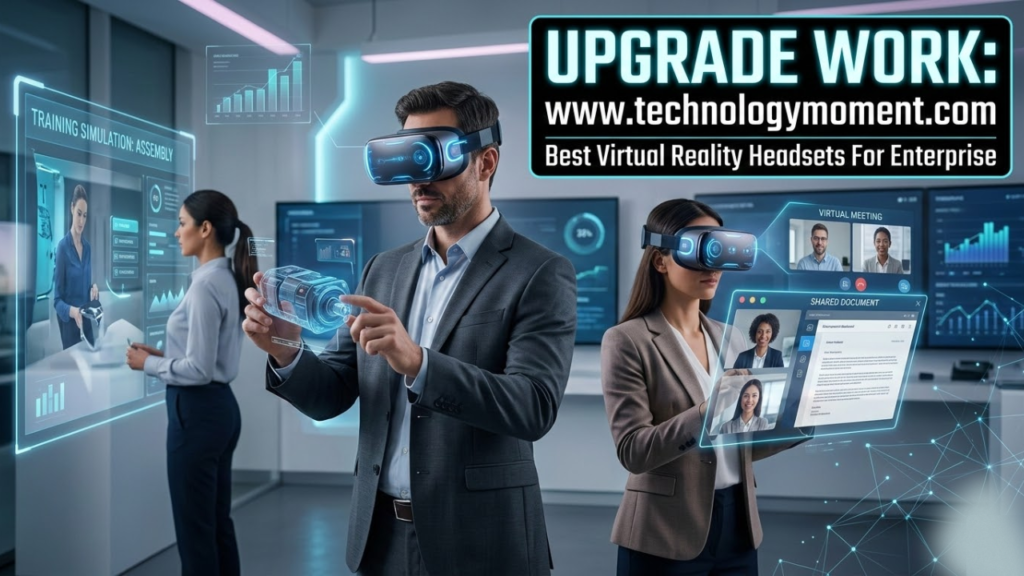
Businesses use VR for employee training and safety drills. A factory worker can learn machine handling without touching a real machine. A pilot can train in a flight simulator using virtual reality-based training programs. This saves time, money, and reduces real-world accidents. Many companies now use VR for virtual meetings and remote collaboration. It feels like sitting in the same room, even when you are miles apart.
The real estate and travel industry also uses VR to show places before visits. You can walk inside a new home or explore a holiday destination using VR home tours. This helps buyers make faster decisions. Travel agencies now offer virtual travel experiences for global users. You can explore beaches, mountains, and museums without stepping outside. It brings the world closer in a very simple way.
Future of Virtual Reality Technology
The future of virtual reality technology looks powerful and exciting. Experts believe VR will soon blend with Artificial Intelligence. This will make virtual worlds smarter and more interactive. Imagine talking to a virtual guide that responds like a real person. AI in virtual reality can make digital training more personal and adaptive. It will understand your actions and react in real time.
Many tech companies now work on full-body tracking systems. Soon, you may not need controllers at all. Your body movement will control everything in the virtual world. Advanced VR gloves will let you feel texture and pressure. This is known as next-gen haptic feedback technology. It may allow you to feel rain, wind, or even a handshake in VR.
The idea of the Metaverse is also shaping the future of VR. People may work, learn, shop, and socialize inside virtual spaces. You can attend concerts, meetings, or classes in a shared digital world. This concept of metaverse virtual interaction is gaining attention globally. Many startups now build VR-based social platforms for remote life.
Wireless VR headsets will also become lighter and faster. Cloud-based VR rendering may remove the need for heavy computers. This means more people can access high-quality virtual experiences. The future of VR in remote work may change how we connect and collaborate. Working from home may feel more like working from the office.
In the coming years, VR may enter daily life in surprising ways. Smart cities may use VR for planning and safety checks. Online shopping may include virtual try-on rooms. Sports fans may watch live matches in a 360-degree VR view. These trends show how virtual reality technology is growing beyond entertainment.
Conclusion
Virtual Reality is not magic, but it feels like magic. It mixes science, software, and smart design to create new realities. From healthcare to education, VR now helps people learn and train better. Businesses also use it to improve safety and teamwork. It is slowly becoming part of everyday life.
The hidden concepts behind VR make it work smoothly. Motion tracking, spatial sound, and real-time rendering build the full experience. When these parts work together, your brain accepts the virtual world as real. That is the true power of immersive virtual reality systems.
As VR grows, it may reshape how we study, work, and connect. The future may bring smarter tools and deeper experiences. Virtual meetings may replace video calls. Digital training may replace risky practice. The line between real and virtual may get thinner each day.
So, the next time you wear a VR headset, remember this. You are not just playing a game. You are stepping into a new kind of reality. A reality built with code, creativity, and clever design.
FAQs
What are the real-life uses of Virtual Reality today?
Virtual Reality is now used in healthcare, education, and business training. Doctors use it for surgery practice and therapy sessions. Teachers use it for immersive classroom learning. Companies use VR for safety training and remote meetings. Real estate agents also use VR home tours. It helps users explore places before visits.
Can Virtual Reality help in mental health treatment?
Yes, VR therapy is now used for stress and anxiety treatment. It helps patients face fears in a safe digital space. Doctors use it for exposure therapy sessions. Many clinics now use virtual reality for PTSD support. It can calm the mind and reduce panic responses. It works well with guided therapy.
Will VR replace traditional learning methods?
VR may not replace all traditional methods. But it can support practical learning in many fields. Students can learn science through virtual labs. History lessons can include digital tours. Medical students can practice procedures safely. It improves focus and memory retention. VR in education is growing fast worldwide.
Is Virtual Reality safe for everyday use?
VR is safe when used for short sessions. Long use may cause eye strain or dizziness. Experts suggest taking regular breaks. Use a comfortable headset for a better experience. Children should use it under guidance. Always follow device safety instructions.
What is the future scope of Virtual Reality technology?
The future of VR looks strong in many sectors. It may support remote work and online events. AI may improve virtual interaction systems. Smart gloves may enable real touch in VR. Wireless headsets may become common soon. VR may become part of daily digital life.