At Technology Moment, we break down tech in a way that actually makes sense. No confusing jargon. No boring explanations. Just real, useful tech advice for real people.
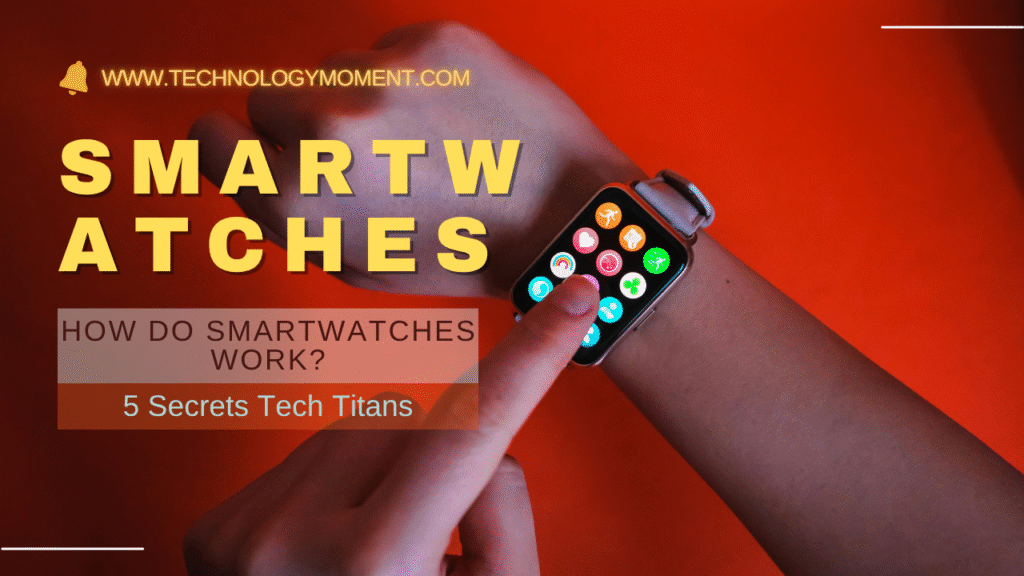
Today, we’re diving into one of the hottest wearable trends of the year — the best smartwatches for Android phones. Whether you use Samsung, OnePlus, Pixel, Xiaomi, or any other Android device, choosing the right smartwatch can completely change how you use your phone.
Think of a smartwatch as your phone’s best friend. It stays with you all day. It tracks your health. It shows your messages. It reminds you to move. And yes, it even helps you answer calls without touching your phone.
What to Consider Before Buying a Smartwatch for Android
First comes compatibility with your Android phone. Not every smartwatch works smoothly with every Android version. Some watches perform best with Samsung. Others rely on Google Wear OS. You must make sure your phone runs a recent Android version. This avoids app crashes, sync errors, and missing features. A smartwatch should feel like part of your phone, not a stranger.
Next is battery life, and this is where most users feel disappointed. Some watches last one day. Others last two weeks. If you hate charging daily, choose a power-efficient model. If you love bright displays and always-on features, expect shorter battery life. There is no perfect balance. You choose what matters more in your daily routine.
Now let’s talk about the display. You look at your smartwatch all day. The screen must be clear. AMOLED displays look rich and colorful. LCD displays save battery. Bigger screens feel modern. Smaller screens feel lightweight. If you exercise outdoors, brighter screens help under sunlight. If you stay indoors, display type becomes less critical.
Health and fitness tracking is now the heart of every smartwatch. Even affordable models track heart rate and steps. Premium models track blood oxygen, stress levels, ECG, skin temperature, and sleep cycles. If fitness is your top goal, sensors must be accurate. If you only need basic health insights, a mid-range smartwatch is enough.
Let’s not forget connectivity features. Most smartwatches connect via Bluetooth. Some support Wi-Fi. A few offer LTE calling without a phone. If you want freedom from carrying your phone during workouts or walks, LTE can change your lifestyle.
Then comes build quality and comfort. You wear this device for hours. It should not pinch your skin. It should not feel heavy. Aluminum is light. Stainless steel feels premium. Silicone straps are great for workouts. Leather looks stylish for office use. Comfort always beats looks in the long run.
Finally, think about software updates and app support. A smartwatch is useless if it stops receiving updates after one year. Brands that offer long-term support protect your investment. Also check whether your favorite apps like WhatsApp, Google Maps, Spotify, or fitness apps work smoothly on the watch.
A smartwatch is not just a gadget. It becomes part of your daily rhythm. Choose it like you choose your shoes. It must fit your lifestyle.
Best Smartwatches for Android Phones
Let’s shift from theory to the real world. Which are the best smartwatches for Android phones right now? I won’t flood you with brand names in a boring list. Instead, I’ll walk you through what truly makes a smartwatch “the best” for different users.
If you want the best overall smartwatch for Android, you should focus on Wear OS performance, display quality, smooth animations, strong app support, and reliable health sensors. The top models today feel like tiny smartphones on your wrist. You can reply to messages, take calls, control music, navigate maps, and pay with NFC.
If your budget is tight, the best budget smartwatch for Android users usually focuses on battery life and fitness tracking. You may lose advanced calling features or app support. But you gain simplicity. These budget models track steps, sleep, heart rate, and deliver notifications without draining your wallet.
If you love premium tech, the best premium smartwatch for Android gives you luxury metals, curved AMOLED screens, advanced sensors, LTE calling, and powerful processors. These watches feel fast. They feel smooth. They feel future-ready.
Samsung phone users often prefer the best smartwatch for Samsung Android phones because of deeper integration. Features like ECG, body composition, and advanced health sync work best inside the Samsung ecosystem. It feels like both devices speak the same language.
Fitness lovers usually search for the best fitness smartwatch for Android phones. These watches prioritize GPS accuracy, workout modes, heart rate zones, VO₂ max estimation, and recovery insights. Some models are optimized for runners. Some are tuned for swimmers. Others target gym lovers.
Then we have the best rugged smartwatch for Android users. These watches are built for adventure. They survive dust, water, heat, cold, and even drops. They feel bulky. But they protect your wrist like armor.
There is no single “best smartwatch” for everyone. The best smartwatch is the one that fits your lifestyle goals, not just your budget.
New & Trending Smartwatch Features
Smartwatches feel smarter than ever. They don’t just track steps anymore. They understand your body. They read your habits. They even predict your health trends.
One of the hottest trends is AI health monitoring. Smartwatches now analyze your sleep, stress, and heart trends using artificial intelligence. Instead of showing raw data, they give smart suggestions. They tell you when to rest. They suggest recovery after workouts. This feels like a mini doctor on your wrist.
Another powerful feature is ECG and blood pressure monitoring. These were once limited to hospitals. Now they live on your wrist. This does not replace doctors. But it gives early warnings. For people with heart concerns, this feature offers peace of mind.
Skin temperature tracking is growing fast. It helps detect illness early. It helps track recovery. It helps understand sleep quality. The data feels subtle. But it becomes powerful over weeks.
The rise of Wear OS 5 and beyond has transformed Android smartwatches. The system runs smoother. Apps open faster. Battery efficiency has improved. Google Assistant works better. Google Maps works offline. Payments feel instant. The watch finally feels complete.
Another big trend is gesture control. You can answer calls with wrist movement. You can scroll using finger gestures. You don’t always need to touch the screen.
Then comes emotional wellness tracking. Some smartwatches now estimate stress levels, breathing patterns, and relaxation cycles. They guide deep breathing sessions. They remind you to calm down during stressful moments.
Smartwatches are no longer accessories. They are evolving into personal health companions.
Best Smartwatch for Android Based on Use Case
Every user is different. Your smartwatch should match your life.
If you are a student, you need something affordable, lightweight, and durable. You need notifications for classes, timers for study sessions, health tracking for daily activity, and long battery life. You don’t need heavy luxury features.
If you are an office professional, your smartwatch should look elegant. It should handle calls during meetings. It should manage emails and reminders. It should track stress. It should survive long working hours without daily charging. You need both smart features and style.
If you are a fitness enthusiast, your smartwatch becomes your trainer. You need accurate GPS. You need heart rate zones. You need exercise modes. You need fast charging. You need sweat-proof build. Your watch works harder than most gadgets in your life.
If you are a traveler, you need navigation, offline maps, altitude tracking, step tracking, weather alerts, and strong battery life. LTE calling becomes useful when you don’t want to depend on your phone.
If you are a senior citizen, you need simple UI, large display, health monitoring, fall detection, and emergency call features. A smartwatch can quietly become a safety partner.
Different lives demand different smartwatches. There is no one-size-fits-all solution.
Wear OS vs Proprietary OS – Which is Better for Android?
This is one of the biggest questions Android users ask before buying a smartwatch. And honestly, it’s a smart question. The operating system of your smartwatch decides almost everything—how smooth it feels, which apps you can use, how updates work, and how long your watch will stay relevant.
Let’s start with Wear OS. This is Google’s official smartwatch operating system. Brands like Samsung, Google Pixel, Fossil, and TicWatch use it. Wear OS works like a mini version of Android on your wrist. You get Google Assistant, Google Maps, YouTube Music controls, Google Wallet, Gmail notifications, and full access to the Google Play Store. If you live inside the Google ecosystem, Wear OS feels natural. It syncs smoothly with your Android phone. Notifications arrive instantly. Replies feel effortless. Everything just “talks” to each other without drama.
Now let’s look at proprietary operating systems. These are custom systems made by brands like Amazfit (Zepp OS), Huawei (HarmonyOS), and many budget smartwatch brands. These systems focus more on battery life and fitness tracking than on smart apps. You won’t get thousands of apps. You won’t run Google Maps or full-featured WhatsApp. But what you do get is simplicity, speed, and shockingly long battery life.
So which is better for Android users? The truth is—it depends on your lifestyle.
If you want smart features like calling apps, replying to messages, using voice assistants, and installing apps directly on your watch, Wear OS is the winner. It feels powerful. It feels modern. It feels like a true extension of your phone.
But if you care more about health tracking, step counting, sleep monitoring, and battery that lasts 10–20 days, then a proprietary OS makes more sense. These watches feel lighter on your wrist and lighter on your wallet. They don’t try to replace your phone. They simply support your daily routine.
Think of it like this. Wear OS is like a smartphone for your wrist. Proprietary OS is like a fitness expert who minds their own business and never runs out of energy.
For most Android users, the smart choice comes down to one question—Do you want smart apps or long battery life? Once you answer that, the OS choice becomes very easy.
Smartwatch Battery Life – Myth vs Reality
Battery life is where marketing loves to fool people. Every brand promises “up to 14 days” or “up to 20 days.” But what does that really mean in daily life? Let’s talk real usage, not lab promises.
If you use a Wear OS smartwatch, the reality is simple. You will charge it once a day or once every two days. That’s not a failure. That’s the cost of running powerful features like apps, calling, GPS, LTE, and always-on displays. These watches work hard. Hard-working devices need more power. Simple math.
But here’s the surprise. Many users actually prefer daily charging. Why? Because it becomes a routine. You charge your phone every night. You charge your watch too. No stress. No fear of sudden shutdown.
Now let’s talk about battery life in proprietary OS smartwatches. This is where magic happens. Many models easily last 7 to 14 days on a single charge. Some even go beyond 20 days. And that’s not a joke. That’s real-world use with heart rate tracking, sleep tracking, notifications, and daily workouts.
So where does the myth come from? The myth is that more battery always means a better smartwatch. That’s not true. A long battery usually means fewer smart features. A short battery usually means more power and flexibility.
Another big myth is fast charging equals long battery life. Fast charging helps, yes. Many modern smartwatches now give you a full day’s power in just 20–30 minutes. But it doesn’t change how fast the battery drains during use.
The real truth is this. Battery life is a trade-off, not a flaw. If you choose a smart-heavy watch, expect frequent charging. If you choose a fitness-focused watch, enjoy long battery days.
The smart move is to choose a watch that fits your habits. If you hate charging daily, avoid Wear OS. If you love smart features and don’t mind plugging in, Wear OS will feel exciting every single day.
Are Cheap Smartwatches Worth It for Android Users?
Short answer? Yes—and also no. It depends on what you expect.
Cheap smartwatches for Android have exploded in popularity. You can now buy a smartwatch for the price of a dinner. They look stylish. They promise heart rate tracking, sleep analysis, call alerts, and dozens of sports modes. On paper, it feels like a steal.
And in many cases, they actually deliver decent value.
If your goal is simple—count steps, track sleep, see notifications, and look good while doing it—cheap smartwatches do the job. They are perfect for students, first-time users, and people who just want basic tracking without tech headaches.
But here’s the harsh truth. Cheap watches cut corners. The build quality isn’t premium. The sensors are not always accurate. The app support feels limited. Software updates are rare. And customer support can disappear overnight.
Another problem is longevity. Many budget smartwatches work great for six months. Then the battery starts fading. The app crashes more often. Sync issues show up. And suddenly, that cheap deal doesn’t feel so cheap anymore.
Premium smartwatches cost more, but they age better. They receive updates. They stay smooth. They hold resale value. They feel reliable.
So are cheap smartwatches worth it for Android users? Yes, if you know exactly what you are buying them for. No, if you expect flagship performance at a budget price.
The smartest approach is balance. Don’t buy the cheapest. Don’t overpay blindly. Choose a trusted brand with strong reviews and regular app updates. That’s where real value lives.
Conclusion
Choosing the right smartwatch for your Android phone is more than just picking a gadget—it’s about enhancing your daily life. Think about it: this little device on your wrist can track your steps, monitor your heart, remind you of meetings, and even help you stay connected when your phone is tucked away. But not all smartwatches are created equal. Some shine in fitness tracking, while others focus on notifications and style.
For Android users, compatibility is key. A smartwatch that syncs seamlessly with Google services, supports your favorite apps, and receives timely updates will make your experience smooth and enjoyable. Battery life matters too. You don’t want a watch that dies halfway through the day. Display quality, build, and comfort should also be on your checklist because you’ll be wearing it almost every day.
Ultimately, your choice depends on your lifestyle. If you’re an athlete, look for advanced fitness features and rugged durability. If you’re a professional, a sleek design with productivity tools might suit you best. Budget plays a role, of course, but remember—sometimes spending a little more upfront can save you frustration later.
In short, the best smartwatch for Android phones is one that feels like an extension of you. It should simplify your life, motivate you to stay active, and keep you effortlessly connected. With the right smartwatch, you’re not just keeping time—you’re upgrading your lifestyle.
FAQs
Can any smartwatch work with an Android phone?
Not exactly. While many smartwatches are compatible with Android, some features may only work with specific brands or versions. Google Wear OS watches are generally the safest choice, but proprietary watches, like Samsung Galaxy Watches, work best with their own ecosystems. Always check compatibility before buying.
How long does a typical smartwatch battery last?
Battery life varies. Some budget models last 1–2 days, while premium watches can last up to a week or more. Features like GPS, heart-rate monitoring, and always-on displays consume more power. It’s wise to prioritize battery life based on how you plan to use your watch.
Are fitness tracking features accurate on smartwatches?
Most modern smartwatches are fairly accurate for steps, heart rate, and sleep tracking. However, they are not medical devices, so readings like blood pressure or ECG should be considered as general insights rather than clinical measurements. They’re excellent for trends and motivation, though.
Is it worth buying an expensive smartwatch over a budget one?
It depends on your needs. Expensive smartwatches often offer better build quality, more features, and longer software support. Budget models can be great for casual users or those trying smartwatches for the first time. Think about which features you will actually use daily before spending.
Can smartwatches replace smartphones?
Not entirely. Smartwatches are designed to complement your phone, not replace it. You can answer calls, receive messages, and even use apps on your watch, but for intensive tasks like browsing the web or using large apps, your phone is still essential. A smartwatch makes your life more convenient, but it doesn’t replace your primary device.