Welcome to Technology Moment, a place where complex technology feels simple, useful, and exciting. If you’ve ever wondered how the digital world is blending with real life, you’re in the right spot. Here, we break down trending tech topics in a way that anyone can understand. No jargon. No confusion. Just clear ideas that matter today.
In this article, we’re diving into Augmented Reality applications, one of the fastest-growing technology trends worldwide. AR is changing how we learn, shop, work, and play. From mobile AR apps to business-ready AR tools, this technology is everywhere. And yes, it’s already boosting success across industries.
So, what exactly is augmented reality? In simple words, AR adds digital elements to the real world using your phone, tablet, or smart glasses. Think of it like digital information sitting on top of your physical surroundings. It feels natural. It feels interactive. And it feels powerful.
At Technology Moment, we focus on real-world AR use cases, not just theory. This article explores how augmented reality tools help businesses grow, improve user experience, and save time. Whether you’re a student, creator, marketer, or entrepreneur, AR has something for you.
As you read on, you’ll discover why augmented reality applications are more than a trend. They’re a practical solution for modern problems. Let’s explore how these powerful AR tools are shaping success—one experience at a time.
How Augmented Reality Applications Are Transforming Industries
Augmented Reality applications are changing industries quietly but deeply. They don’t shout for attention. Instead, they slip into daily workflows and make things easier. From factories to classrooms, AR turns flat information into something you can see, touch, and understand. That shift alone changes how people work and learn.
Industries once depended on manuals, screens, and guesswork. AR replaces that with real-time guidance layered over the real world. Imagine fixing a machine while digital arrows show you exactly where to turn the screw. That’s not a future idea. It’s already happening across manufacturing, logistics, and maintenance.
Another big transformation is speed. AR applications reduce the time needed to train, decide, and act. Employees learn faster because they see instead of memorizing. Managers make better decisions because data appears in context, not buried in reports. Speed plus clarity is a powerful mix.
What truly sets AR apart is how human it feels. Instead of adapting to machines, machines adapt to people. That’s why augmented reality applications are becoming essential tools across global industries, not optional experiments.
Benefits of Augmented Reality Applications for Businesses and Users
One of the biggest benefits of augmented reality applications is engagement. People pay attention when content feels real. AR pulls users into the experience instead of pushing information at them. This leads to longer interaction times and stronger emotional connections.
For businesses, AR reduces costly mistakes. Visual instructions are harder to misunderstand than written ones. When users see what to do, errors drop. That saves money, time, and frustration. It also improves safety in high-risk environments like factories and hospitals.
Users benefit from confidence. Whether trying a product or learning a new skill, AR removes doubt. Seeing how something fits or works in real space makes decisions easier. That sense of clarity builds trust in both the technology and the brand behind it.
Another key benefit is accessibility. Most AR applications now run on smartphones. That means global users can access powerful tools without special hardware. As mobile AR grows, these benefits reach more people across different regions and industries.
Tool #1 – AR in Education and E-Learning
Education becomes exciting when learners can explore instead of just listening. AR in education turns abstract ideas into visual experiences. A student doesn’t just read about the human heart. They see it beating in front of them. That kind of learning sticks.
Augmented reality applications help students of all ages learn at their own pace. Visual learners thrive because lessons feel alive. Even complex topics become easier when students can interact with them. This boosts understanding and reduces learning gaps.
For teachers, AR acts like a silent assistant. Lessons become more dynamic without extra effort. Instead of spending time explaining the same concept again, teachers let AR show it. That frees time for discussion and creativity.
Globally, AR-based e-learning breaks barriers. Students in remote areas access the same immersive lessons as those in big cities. That makes AR a powerful equalizer in modern education.
Tool #2 – AR Applications in Healthcare
Healthcare demands precision, and augmented reality applications deliver it. AR helps doctors visualize organs, veins, and structures before making an incision. This improves accuracy and reduces risk. When lives are involved, clarity matters.
Medical training also benefits deeply from AR. Students practice procedures in a safe, simulated environment. They gain confidence before working with real patients. This shortens learning curves and improves outcomes.
AR applications also support patient care. Doctors explain conditions using visual overlays instead of complex terms. Patients understand better and feel more involved in decisions. That improves trust and compliance.
Across the globe, AR helps address healthcare shortages. Remote AR assistance allows experts to guide local teams in real time. Distance no longer blocks quality care when augmented reality bridges the gap.
Tool #3 – Retail and E-Commerce Augmented Reality Tools
Shopping online often comes with doubt. Will it fit? Will it look right? AR removes that uncertainty. Augmented reality applications let shoppers see products in their own space before buying. This builds confidence instantly.
In retail, AR boosts engagement without pressure. Customers explore products at their own pace. They don’t feel rushed or misled. That creates a better shopping experience and stronger brand loyalty.
For e-commerce businesses, AR reduces returns. When customers know what they’re getting, surprises disappear. That’s a win on both sides.
Globally, AR retail tools help brands connect with diverse audiences. Visual experiences cross language barriers. A product shown clearly needs little explanation. That’s why AR is becoming a must-have tool in modern retail.
Tool #4 – Augmented Reality in Real Estate and Architecture
Augmented Reality in real estate and architecture has changed how people imagine space. Earlier, buyers had to rely on flat images or their imagination. Now, AR lets them see a property before it even exists. It feels like walking into the future while standing in the present. This shift has made property decisions faster and more confident.
With AR real estate applications, users can place a full-scale 3D building model on an empty plot using a smartphone or tablet. Walls, windows, lighting, and layouts appear instantly. This real-time visualization removes confusion and builds trust. Buyers no longer ask, “How will this look?” because the answer is right in front of them.
Architects also benefit massively from augmented reality tools. They can overlay digital designs onto real environments and spot flaws early. A small design issue caught early can save months of rework later. AR becomes a silent partner that points out problems before they grow.
For global real estate markets, AR applications help reach international buyers. Someone sitting in another country can explore a property virtually. This expands reach, reduces site visits, and speeds up deals. In short, AR turns imagination into experience, and experience into action.
Tool #5 – AR Applications in Marketing and Advertising
Marketing with augmented reality feels like a conversation, not a sales pitch. Instead of shouting messages, brands invite users to interact. That interaction builds memory. And memory builds trust. This is why AR marketing tools are trending globally.
AR advertising allows users to scan a product or ad and unlock an experience. A shoe appears on your feet. A sofa appears in your living room. This hands-on feel removes doubt and increases purchase confidence. Customers don’t guess anymore—they test before they buy.
Brands use augmented reality campaigns to stand out in crowded digital spaces. Social media filters, AR games, and interactive posters create emotional connections. When people enjoy an experience, they share it. That organic sharing boosts reach without extra ad spend.
From startups to global brands, AR applications in advertising improve engagement rates and conversion rates. They turn passive viewers into active participants. In a world full of ads, AR makes marketing feel human again.
Tool #6 – Manufacturing and Industrial AR Solutions
Manufacturing environments demand accuracy. One small mistake can cause huge losses. Augmented Reality in manufacturing acts like a digital guide that never gets tired. It shows workers exactly what to do, step by step, in real time. No manuals. No guesswork. This reduces errors and speeds up processes. Even new workers can perform complex tasks with confidence.
AR remote assistance is another game-changer. Experts can guide on-site workers from anywhere in the world. A live AR view helps solve problems faster and cuts downtime. This is especially powerful for global industries operating across multiple locations.
By improving safety, productivity, and efficiency, AR manufacturing applications reduce costs and increase output.
Tool #7 – Enhanced Reality in Gaming and Entertainment
Augmented Reality gaming blends imagination with reality. It turns streets into playgrounds and living rooms into battle zones. This mix creates excitement that traditional screens cannot match. Players don’t just play the game—they enter it.
AR entertainment applications use real-world surroundings as part of the story. Characters appear on tables. Portals open in parks. This immersive feel keeps users engaged longer and emotionally invested.
Beyond games, AR is transforming live events and entertainment experiences. Concerts, museums, and theme parks use AR to add digital layers to real spaces. These layers tell stories, guide visitors, and create unforgettable moments.
As hardware improves and devices become more accessible, AR gaming and entertainment will grow faster. The line between real and virtual will keep fading. And for users, fun will feel more real than ever.
Tool #8 – Augmented Reality Applications for Employee Training and Skill Development
Training often fails because it feels disconnected from real work. Augmented Reality fixes that gap. It places learning directly inside real environments. People learn by doing, not just watching.
AR training applications simulate real-world scenarios safely. Workers can practice complex tasks without risk. Mistakes become lessons, not accidents. This builds confidence and competence at the same time.
In workforce development, AR helps upskill employees faster. Visual guidance makes learning intuitive. Language barriers are reduced. Understanding improves. This is why AR training tools are ideal for global teams.
Companies using augmented reality for training report better retention and performance. Employees feel supported, not overwhelmed. AR doesn’t replace trainers—it empowers them. And that makes learning stick.
Challenges and Limitations of Augmented Reality Applications
Augmented Reality applications look exciting, but they are not perfect yet. One major challenge is hardware dependency. Many AR experiences still need powerful smartphones, tablets, or headsets. In several regions, users do not have access to high-end devices. This limits the global reach of AR technology adoption.
Another common limitation is performance and stability. AR applications rely heavily on cameras, sensors, and real-time data processing. A laggy AR app can quickly frustrate users. When immersion is lost, trust in the technology drops.
Cost is also a big concern, especially for small businesses. Developing custom augmented reality solutions requires skilled developers, designers, and testers. Maintenance and regular updates add to the expense. For startups, this can feel like a steep mountain to climb.
Privacy and data security create additional challenges. AR applications often collect visual data from real environments. This raises questions about user consent and data misuse. As regulations tighten worldwide, businesses must handle AR data responsibly. One wrong move can damage brand credibility.
Future Trends in Augmented Reality Applications
The future of augmented reality applications looks bright and bold. AR is slowly merging with artificial intelligence to create smarter experiences. Imagine AR apps that understand your behavior and adapt in real time. This trend is already gaining momentum across global markets.
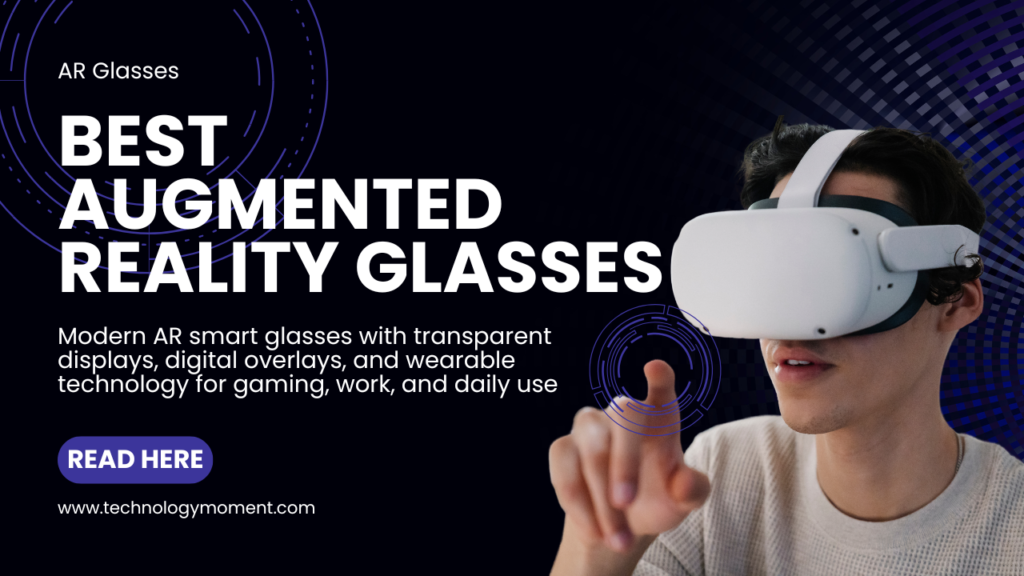
Wearable AR devices are another major trend to watch. Smart glasses and lightweight headsets are becoming more practical and stylish. As prices drop, adoption will rise. This will move AR beyond mobile screens and into everyday life.
The integration of AR with the Internet of Things is also changing the game. Real-world objects connected to the internet can interact with AR overlays. This is powerful for smart homes, factories, and cities. Real-time data visualization will become normal, not special.
Cloud-based AR is another fast-growing trend. It allows heavy processing to happen on remote servers instead of local devices. This means smoother experiences on less powerful hardware. Global accessibility will improve as a result.
How Businesses Can Get Started with Augmented Reality
Getting started with augmented reality does not have to be overwhelming. The first step is clarity. Businesses should clearly define the problem they want to solve using AR. Is it customer engagement, training, or visualization? A clear goal saves time and money.
The next step is choosing the right platform. Many AR development tools support cross-platform deployment. This helps businesses reach global audiences without building separate apps. Starting small with a pilot project is always a smart move.
User experience should remain the top priority. An AR application must feel simple and intuitive. If users need a manual to understand it, the app will fail. Smooth onboarding builds confidence and encourages repeat usage.
Finally, businesses should measure results and improve continuously. AR success is not just about views or downloads. It is about engagement, retention, and real-world impact. Data-driven improvements help AR solutions scale effectively.
Conclusion
Augmented Reality applications are reshaping how the world interacts with digital content. They bridge the gap between imagination and reality in a natural way. While challenges exist, innovation continues to push boundaries every year.
From education to healthcare and from retail to manufacturing, AR is proving its value. They create deeper connections with users and offer memorable experiences.
The future belongs to technologies that feel human and intuitive. Augmented Reality fits perfectly into that vision. When used wisely, it does not replace reality. It enhances it.
FAQs
What are augmented reality applications used for today?
Augmented reality applications are used in education, healthcare, retail, gaming, marketing, and industrial training. They help users visualize information in real-world contexts. This improves understanding and engagement across industries.
Are augmented reality applications expensive to build?
Costs vary depending on complexity and features. Simple AR apps can be affordable, while advanced enterprise solutions cost more. Cloud-based and no-code tools are reducing entry barriers.
Do augmented reality applications require special devices?
Many AR applications work on smartphones and tablets. Device accessibility is improving every year.
Is augmented reality safe for user privacy?
AR can be safe if developers follow data protection laws and best practices. Transparent data usage and secure storage are essential. Responsible design builds user trust.
Will augmented reality replace virtual reality?
No, both serve different purposes. AR enhances the real world, while VR creates a fully virtual one. They will grow together and often work side by side.