The tech world just changed again. And this time, it feels personal. The Apple virtual reality breakthrough is not just another gadget launch. It marks a bold step into spatial computing and immersive technology. When Apple Inc. introduced Apple Vision Pro, it didn’t just release a headset. It revealed a new way to see, work, and connect. At Technology Moment, we see this as more than hype. It is a shift toward the future of virtual reality and mixed reality innovation.
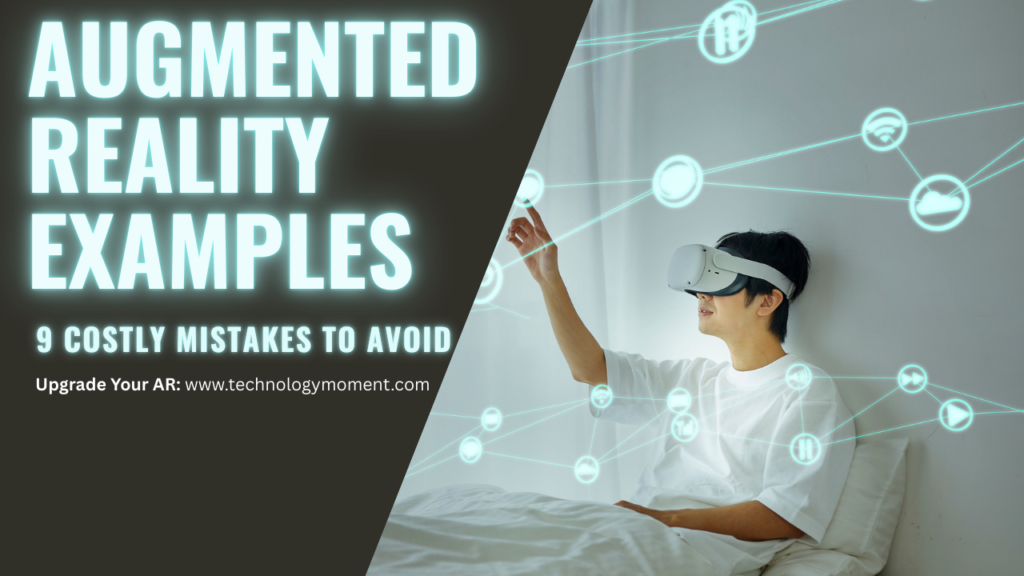
So, what makes this Apple VR innovation different from older virtual reality devices? It blends the digital world with the real one in a smooth, natural way. You are not trapped inside a game. You stay aware of your room, your desk, and even the people around you. That’s the power of spatial computing. With ultra-clear displays, smart eye tracking, and hand gestures, the experience feels real. You don’t press buttons. You look. You tap the air. It feels simple. It feels human. This approach positions Apple as a leader in next-generation VR headsets and immersive computing solutions.
Many people search for the best virtual reality headset for productivity and entertainment. Apple aims to answer that. Imagine opening multiple screens in your living room without a monitor. Picture editing a video on a screen as large as a wall. Think about joining a remote meeting where coworkers appear life-sized. That is not science fiction anymore. Compared to other VR platforms like Meta Quest 3, Apple focuses heavily on ecosystem integration. Your iPhone, Mac, and iPad connect smoothly. That tight integration makes the experience powerful for work, gaming, education, and creative projects.
This is not just for tech lovers. It affects students, creators, remote workers, and even families. A student can explore 3D science models in a virtual classroom. A designer can build prototypes in a mixed reality space. A movie fan can watch films on a giant virtual screen. These real-world VR use cases show how immersive technology can improve daily life. And because Apple builds with privacy and security in mind, users feel safer exploring this new digital space.
We may be witnessing the early stage of a post-smartphone world. The Apple virtual reality breakthrough signals a move toward wearable computing and AI-driven interfaces. It changes how we interact with apps, media, and even each other. At Technology Moment, we believe this is only the beginning. As virtual reality trends grow and spatial computing evolves, Apple’s bold entry could reshape the entire tech industry. The shocking future? It might arrive faster than we think.
The Evolution of Apple virtual reality Technology
Virtual reality did not begin with sleek headsets and glossy product launches. It started as a dream. In the 1960s, researchers built large, heavy machines that filled rooms. They were curious. Could humans step inside a digital world? Back then, the answer felt far away. The graphics were basic. The experience felt rough.
In the 1990s, VR tried to enter homes. Early gaming companies promised full immersion. But the hardware was slow. The screens were blurry. People felt dizzy. The hype was big, but the tech was not ready. Many called it a failed experiment. Yet the idea never died.
Fast forward to the 2010s. Faster chips and better displays changed everything. Companies like Meta pushed affordable VR headsets into the market. Gamers loved the fresh feel. Developers saw new business models. The phrase “best virtual reality headset for gaming” started trending worldwide. VR became cool again.
Then came spatial computing. That term changed the tone. It was no longer just about games. It was about work, health, and daily life. High-resolution displays and motion tracking made VR feel real. Global audiences searched for “virtual reality future technology” and “VR productivity tools.” The world was ready for a bigger leap.
This is where Apple stepped in. When Apple Inc. entered VR, people knew it would not be ordinary. Apple waited. It studied. It was built quietly. And when it revealed its vision, it felt like VR had grown up. The evolution was no longer about escape. It was about integration into real life.
Inside Apple’s VR Ecosystem
Apple does not sell devices alone. It builds ecosystems. That is the secret. With its virtual reality breakthrough, it did the same. The headset is not just hardware. It connects deeply with iPhone, iPad, and Mac. If you already use Apple products, the transition feels smooth.
The core of this system runs on visionOS. This new operating system is designed for spatial computing. Apps float in your space. You can resize them with your hands. You can control them with your eyes. It feels natural. It feels simple. People searching for “how Apple Vision Pro works with iPhone” quickly see the magic.
The hardware also plays a big role. Apple uses custom silicon chips for speed. The display quality is sharp and bright. You do not see pixels. You see depth. This focus on clarity supports trending long-tail searches like “ultra high resolution VR headset for professionals.” Apple wants you to forget you are wearing a device.
Privacy is another key part of the ecosystem. Apple processes many tasks on the device itself. That means less data leaves your headset. In a world worried about digital privacy, this matters. Users care about secure VR experiences. Apple uses this trust as a strength.
What makes this ecosystem powerful is how it blends into daily life. You can start a task on your Mac. Then move into VR without losing progress. You can watch a movie on a giant virtual screen. Then answer a FaceTime call in 3D. It feels less like switching devices and more like entering a new layer of reality.
Key Features That Make Apple VR a Game-Changer
The first thing you notice is the display. It is not average. It is ultra-sharp. Text looks crisp. Movies look alive. When people search for “best VR headset for watching movies,” Apple wants to be the answer. The clarity reduces eye strain and boosts comfort.
Next comes eye tracking. This feature feels almost magical. You look at an icon, and it highlights. You tap your fingers, and it opens. No controllers needed. It feels fast. It feels smooth. This natural interaction supports the rising trend of “controller-free VR headset technology.”
Hand tracking also changes the game. You move your fingers, and the system responds. It reads small gestures. That means less learning curve. Even first-time users feel confident. This helps global adoption. Simplicity wins.
Another big feature is spatial audio. Sound moves around you. If a car passes on your left in a video, you hear it from the left. It feels real. This immersive audio supports long-tail keywords like “realistic VR sound experience for home theater.” Apple wants you to feel present, not distracted.
Finally, there is mixed reality blending. You can see your real room while digital content sits on top. You are not cut off from the world. You stay aware. This balance between real and digital makes Apple VR different. It is not about escape. It is about enhancement.
Apple Vision Pro and the Future of Mixed Reality
At the center of this breakthrough is Apple Vision Pro. This device is not marketed as just a VR headset. Apple calls it a spatial computer. That shift in language matters. It signals a long-term vision, not a short-term trend.
Mixed reality means blending virtual and real worlds. With Vision Pro, your living room can turn into a workspace. Your desk can hold virtual screens. You can expand your Mac display into a giant floating monitor. For remote workers searching for “VR headset for remote productivity,” this feels like the future arriving early.
Vision Pro also hints at a post-smartphone era. Think about it. If apps float around you, do you need a small screen in your hand? If you can answer calls, watch shows, and work in 3D space, the phone becomes less central. Many tech analysts now explore “the future after smartphones with Apple VR.”
Compared to other devices like Meta Quest 3, Vision Pro focuses less on gaming and more on daily life integration. It aims at professionals, creators, and global innovators. It blends luxury design with advanced tech. The price is high, yes. But Apple positions it as a premium productivity tool.
So what does the future look like? Imagine lighter glasses. Imagine all-day wear. Imagine an AI that understands your environment and adapts in real time. Apple is laying the foundation now. The shocking future revealed is not just better VR. It is a new way to interact with digital life. And we are only at the beginning.
Best Virtual Reality Headset for Productivity
When we talk about the best virtual reality headset for productivity, we are not just talking about cool graphics. We are talking about real work. Deep focus. Fewer distractions. The kind of setup that makes you feel like you are inside your own digital office. Right now, many experts point to Apple Vision Pro as one of the most powerful tools in this space.
The magic becomes stronger when it connects to your Mac. With Apple Inc. building both the hardware and software, everything works together smoothly. Your files, messages, and meetings sync without drama. You do not waste time fixing settings. You just start working. That is why people searching for “best virtual reality headset for remote work productivity” keep landing here.
Now think about meetings. In normal video calls, we stare at tiny squares. In spatial computing, you feel present. Your apps surround you. Your notes sit beside the meeting window. You stay focused. This is why long-tail keywords like “VR headset for virtual collaboration and office tasks” are trending globally. People want more than entertainment. They want serious tools.
Of course, productivity is not only about power. It is about comfort, too. A headset must feel balanced. It must reduce eye strain. It must track your hands and eyes naturally. If it feels heavy or awkward, you will not use it daily. The best virtual reality headset for productivity is the one you can wear for real work sessions without feeling tired. And that is where Apple’s approach to design makes a big difference.
Is Apple’s VR the Beginning of a Post-Smartphone Era?
Let’s ask the big question. Is this the start of a post-smartphone era? It sounds dramatic, right? But think about it. Before smartphones, we relied on laptops and desktops. Then the phone became our main screen. Now, spatial computing is knocking on the door.
The idea behind a “post-smartphone future technology shift” is simple. Instead of staring down at a small screen, you look up into a digital world around you. Apps are not trapped inside a rectangle. They float in your space. You resize them with your hands. You interact using your eyes. It feels less like tapping and more like living inside your interface.
This does not mean smartphones will vanish tomorrow. That would be unrealistic. But history shows us something. Devices evolve. We moved from keyboards to touchscreens. From wired internet to wireless. From 2D screens to immersive displays. Apple’s VR breakthrough suggests that screens may slowly become invisible. They may blend into our environment.
There is also the AI factor. When artificial intelligence joins spatial computing, things get interesting. Imagine an AI assistant that understands your workspace in real time. It moves your documents. It suggests layouts. It filters noise. This mix of AI and VR is already trending in “future of spatial computing with AI integration” searches. The next era may not be about holding a device. It may be about wearing your digital world.
But here is the truth. For a post-smartphone era to happen, the technology must become lighter, cheaper, and more common. Right now, it feels premium. It feels early. Yet every revolution starts this way. The first smartphones were not cheap either. Look where we are now.
Conclusion: The Shocking Future Ahead
So what is the shocking future revealed by Apple’s virtual reality breakthrough? It is not just about a headset. It is about a shift in how we interact with technology. Screens are becoming spaces. Apps are becoming environments. Work is becoming immersive.
The best virtual reality headset for productivity is only the beginning. As more developers build tools for spatial computing, we will see new types of offices, classrooms, and studios. Distance will matter less. Creativity will expand. Your workspace may follow you wherever you go.
The idea of a post-smartphone era no longer feels like science fiction. It feels like a slow transformation. One update at a time. One new feature at a time. We may not throw away our phones tomorrow, but we are clearly stepping into something bigger.
If this trend continues, virtual reality will not just entertain us. It will empower us. It will reshape how we learn, work, and connect. And that is the real breakthrough. Not the hardware. Not the price. But the possibility.
FAQs
What is the best virtual reality headset for productivity?
Many experts consider Apple Vision Pro one of the best virtual reality headsets for productivity. It offers high-resolution displays and seamless integration with Apple devices. It supports multitasking in a spatial environment. This makes it strong for remote work and creative tasks.
Can VR replace laptops and smartphones?
Not fully, at least not yet. VR can reduce dependence on traditional screens. It can create virtual workspaces. But smartphones and laptops still offer portability and lower cost. Over time, spatial computing may take over more tasks.
Is Apple’s VR good for remote work?
Yes, it is designed with remote collaboration in mind. You can create multiple virtual screens. You can attend immersive meetings. You can organize your apps around you. This makes it useful for digital professionals worldwide.
Why is spatial computing trending globally?
Spatial computing blends the digital and physical world. It feels natural. It supports productivity, gaming, and education. As AI joins VR, the experience becomes smarter. That is why searches for “future of VR and AI technology” are rising.
Is Apple starting a post-smartphone era?
It may be the early stage. Apple’s VR shows what a screen-free future could look like. The technology still needs time to grow. But the direction is clear. We are moving toward immersive, wearable computing.