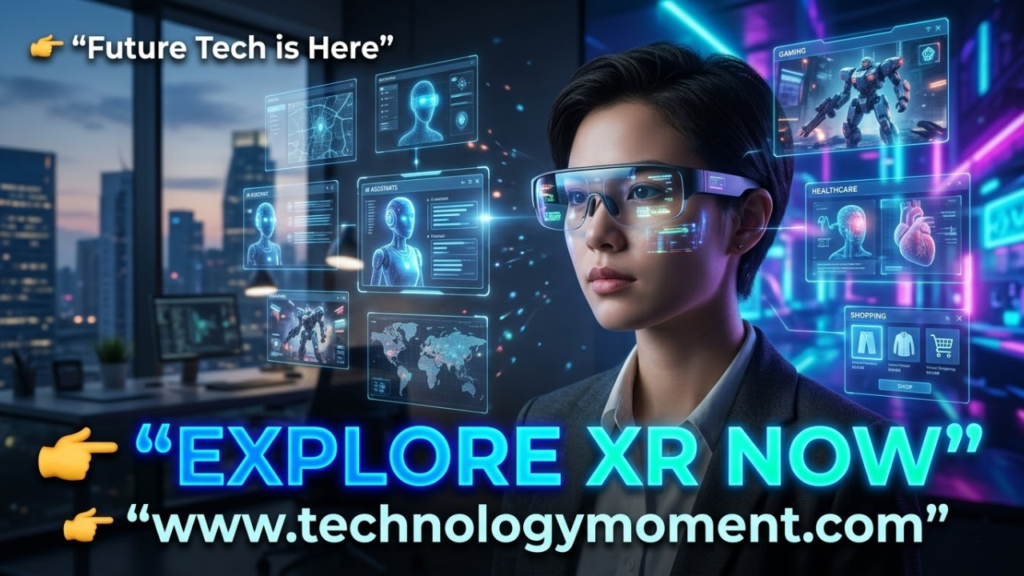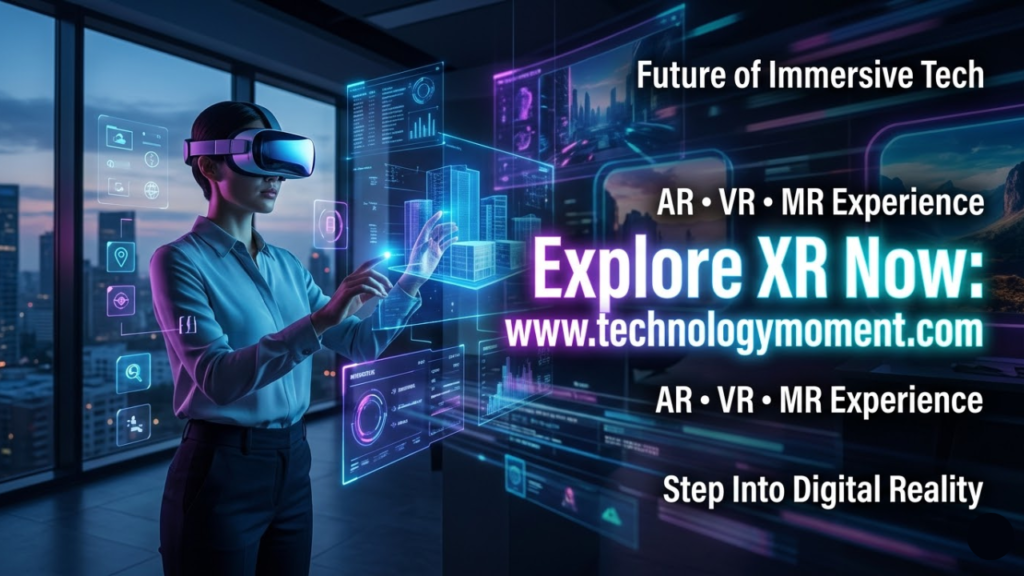
If you’ve been searching for a simple guide to extended reality technology, you’re in the right place. At Technology Moment, we break down complex ideas into clear, easy insights you can actually use. So, what exactly is Extended Reality (XR)? In simple words, it’s a mix of digital and real worlds. These technologies are changing how we learn, work, shop, and even connect with others. From trying furniture in your room using AR to exploring virtual worlds with VR, XR is no longer the future—it’s already here.
Let’s make this even clearer with a real-life example. Instead of guessing how it will look, you use your phone to place a 3D model of the sofa in your living room. That’s augmented reality in action. Now think about wearing a headset and attending a meeting in a fully digital office—that’s virtual reality transforming remote work. These are not just cool tricks; they are powerful tools that save time, improve decisions, and boost user experience. That’s why extended reality applications in everyday life are growing fast across the world.
You might be wondering why everyone is talking about XR right now. The answer is simple: better technology and lower costs. Devices are becoming more affordable, and internet speeds are faster than ever. This makes immersive technology trends more accessible to businesses and individuals. Companies are using XR for training employees, doctors are practicing surgeries in virtual environments, and students are learning through interactive lessons. At Technology Moment, we keep track of these latest XR innovations so you stay ahead in the tech game.
Another reason XR matters is how it improves engagement. People learn better when they see and interact, not just read or watch. That’s why extended reality in education and training is becoming so popular. Instead of watching tutorials, workers can practice tasks in a safe virtual space. This hands-on approach increases understanding and reduces mistakes. It’s like learning by doing—but in a smarter, safer way.
So where does this leave you? Whether you are a student, a business owner, or just curious about tech, understanding extended reality basics gives you an edge. XR is not just for gamers or tech experts anymore. It’s for anyone who wants to experience the digital world more naturally and powerfully. At Technology Moment, our goal is to guide you step by step, helping you explore how immersive innovation is shaping the future—and how you can be part of it.
What is Extended Reality (XR)?
When you hear the term Extended Reality (XR), think of it as a bridge between your physical world and a digital universe that feels real. XR is not just one technology. It is a combination of Augmented Reality (AR), Virtual Reality (VR), and Mixed Reality (MR). These tools change how you see and interact with the world around you. Instead of only watching a screen, you become part of the experience. That is what makes XR so exciting and powerful today.
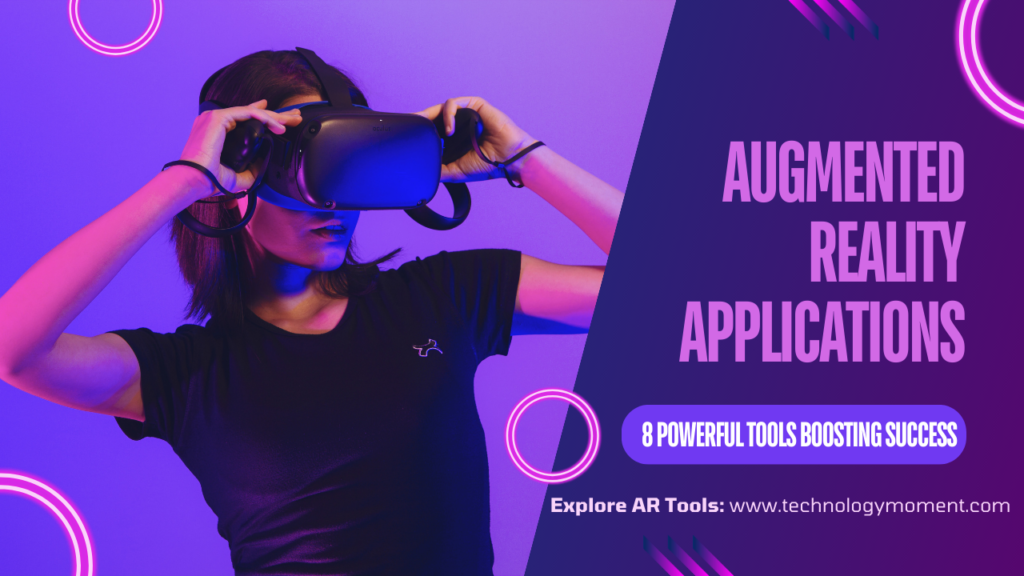
You might already use XR without even noticing it. When you use a face filter on social media, that is Augmented Reality. When you play a fully immersive game using a headset, that is Virtual Reality. XR blends these ideas into one ecosystem. It creates a new way to learn, work, shop, and connect.
What makes XR technology trends so important right now is how fast they are growing. Companies are building smarter devices. People are spending more time in virtual spaces. From online meetings to virtual classrooms, XR is changing everyday life. It is not just innovation. It is a new digital lifestyle.
At a deeper level, XR changes human experience itself. You are no longer limited by location or physical space. You can explore a virtual city, attend a global event, or train for a job from your home. This shift is why many experts call XR the future of interaction. It is immersive, personal, and global at the same time.
Evolution of Extended Reality Technology
The journey of Extended Reality technology did not start recently. It began decades ago with simple experiments in virtual environments. Early systems were bulky and expensive. They offered limited interaction and poor visuals. People wanted to step inside digital worlds, not just watch them.
As technology improved, XR began to evolve faster. The rise of smartphones changed everything. This made Augmented Reality apps possible for everyday users. At the same time, gaming companies pushed the limits of Virtual Reality headsets, making them more affordable and accessible. These changes opened the door for mass adoption.
In recent years, the growth of AI, 5G, and cloud computing has taken XR to another level. Experiences are now smoother, faster, and more realistic. You can interact with digital objects in real time. You can collaborate with people across the world in shared virtual spaces. This is why XR is now used in industries like healthcare, education, and business.
Today, XR is moving toward something even bigger. It is becoming a key part of the metaverse and immersive internet. Companies are investing billions into XR innovation. The goal is simple: create a seamless blend of physical and digital life. What once felt like science fiction is now becoming part of everyday reality.
Types of Extended Reality Technologies
When you explore types of Extended Reality technologies, you will find three main categories: Augmented Reality (AR), Virtual Reality (VR), and Mixed Reality (MR). Each one serves a unique purpose. Together, they form the complete XR ecosystem.
Augmented Reality (AR) adds digital elements to your real-world environment. You still see your surroundings, but with extra layers of information. For example, you can point your phone at a product and see details instantly. It is simple to use and does not require heavy equipment, which makes it very popular.
Virtual Reality (VR) takes you into a fully digital world. You can look around, move, and interact as if you are inside another reality. VR is widely used in gaming, training, and virtual tourism. It creates deep engagement and emotional connection because it feels so real.
Mixed Reality (MR) is the most advanced form of XR. It blends the real and virtual worlds in a seamless way. They interact with it. For example, a virtual object can sit on your real table and respond to your movements. MR is powerful for professional use, especially in design, engineering, and healthcare.
How Extended Reality Works
To understand how Extended Reality works, you need to look at both hardware and software working together. XR systems rely on devices like headsets, smart glasses, and sensors. These tools track your movement and position in real time. They allow you to interact with digital environments naturally, just like you would in the real world.
XR uses 3D engines, artificial intelligence, and spatial computing to create realistic environments. These systems process data quickly and adjust what you see instantly. This makes the experience smooth and immersive. Without this advanced software, XR would not feel real.
Another key part of XR is motion tracking and interaction design. Sensors detect your hand movements, eye focus, and body position. This allows you to control and interact with digital objects without a keyboard or mouse. It feels natural and intuitive. This is why XR is often called the next generation of human-computer interaction.
As technology continues to improve, XR systems are becoming more powerful and accessible. Devices are getting lighter and more affordable. Software is becoming smarter and faster. This means more people can use XR in their daily lives. From virtual meetings to immersive learning, XR is shaping the future of digital interaction in a big way.
Real-World Applications of XR
When you look around today, extended reality applications in real life are no longer futuristic ideas. They are already shaping industries across the globe. In healthcare, XR helps doctors train in safe, virtual environments where mistakes don’t cost lives. Surgeons can practice complex procedures using virtual reality medical training tools, which feel real and interactive. Even patients benefit, as AR apps help explain treatments in a simple, visual way that reduces fear and confusion.
Education is another space where XR learning technology is changing how people absorb information. Imagine a student walking through ancient Rome or exploring the human body from the inside. That is the power of immersive learning. XR makes lessons more engaging, and students remember more because they experience it instead of just reading it. Schools and universities worldwide are now adopting interactive XR classrooms to make learning more fun and effective.
The entertainment and gaming world has fully embraced XR. With virtual reality gaming experiences, players don’t just play—they live the game. Movies and concerts are also going immersive, allowing fans to feel like they are part of the action. Businesses are also using XR in retail and marketing. You can try furniture in your room using AR or see how clothes look without wearing them. This creates a smarter and more personalized shopping experience.
Benefits of Extended Reality
One of the biggest advantages of extended reality technology is how it boosts engagement. People naturally pay more attention when they can interact with something. XR turns passive viewers into active participants. This is why brands use immersive marketing experiences to capture attention and build stronger emotional connections with their audience.
Another powerful benefit is better learning and training. Traditional methods often rely on theory, but XR brings practice into the picture. With XR-based training solutions, employees can learn by doing, not just watching. This improves memory and builds confidence. Industries like aviation, healthcare, and manufacturing use XR to train workers in a safe and controlled environment.
XR also improves productivity and collaboration. Teams can meet in virtual spaces, no matter where they are in the world. This is a big win for remote work. Using virtual collaboration tools in XR, people can interact with 3D models, share ideas, and solve problems faster. It saves time, reduces travel costs, and creates a more flexible work environment for global teams.
Challenges and Limitations of XR
Despite its promise, extended reality challenges and limitations still exist. One major issue is cost. High-quality XR devices like headsets and sensors can be expensive. This makes it harder for small businesses and individuals to adopt the technology. While prices are slowly dropping, affordability remains a barrier for widespread use.
Another concern is privacy and data security. XR systems collect a lot of personal data, including movement, behavior, and even eye tracking. This raises serious questions about how this data is stored and used. As XR privacy concerns grow, companies must build trust by being transparent and secure with user information.
There are also technical limitations to consider. Not everyone has access to fast internet or the powerful devices needed for smooth XR experiences. Motion sickness and discomfort can also affect some users. These issues can reduce adoption rates. Developers are working on solutions, but XR usability challenges still need attention before the technology becomes fully mainstream.
Extended Reality Market Trends and Statistics
The growth of the extended reality market trends is nothing short of impressive. The global XR market is expected to reach hundreds of billions of dollars in the coming years. This rapid growth is driven by increasing demand for immersive experiences across industries. Companies are investing heavily in XR to stay competitive and meet changing consumer expectations.
One key trend is the rise of the metaverse and XR integration. Tech giants are building virtual worlds where people can work, play, and socialize. This is pushing XR into the mainstream. Another trend is the use of AI-powered XR experiences, which make interactions smarter and more realistic. AI helps systems understand user behavior and respond in real time.
Mobile XR is also gaining popularity. With smartphones becoming more powerful, users can access AR features without expensive devices. This is making XR more accessible to a global audience. As adoption grows, industries like healthcare, education, and retail will continue to expand their use of XR. The future looks bright, and XR industry growth statistics clearly show that immersive technology is here to stay.
The Role of AI in XR
When you combine Artificial Intelligence (AI) with Extended Reality (XR), something truly powerful happens. AI acts like the brain behind the experience, while XR becomes the body that brings it to life. Without AI, most XR environments would feel static and predictable. But with AI, they become dynamic, responsive, and almost human-like. Imagine walking into a virtual world where characters understand your voice, respond to your emotions, and adapt to your actions in real time—that’s the magic of AI-powered XR experiences.
One of the biggest strengths of AI in XR is personalization. AI studies user behavior and adjusts the environment based on individual preferences. For example, in AI-driven virtual reality training, the system can change difficulty levels based on how well you perform. This makes learning faster and more engaging. In retail, AI can suggest products in an augmented reality store based on your past choices. It feels like the system knows you, almost like a personal assistant living inside your XR world.
AI also plays a huge role in computer vision and spatial awareness, which are essential for immersive technology. XR devices need to understand the physical environment to place digital objects correctly. AI helps identify surfaces, detect objects, and track movements with high accuracy. This is why modern AR and MR applications feel more realistic than ever. When a virtual chair stays perfectly aligned with your floor or when a digital character walks around your room naturally, AI is doing the heavy lifting behind the scenes.
Another exciting area is natural interaction. AI allows users to interact with XR environments using voice, gestures, and even facial expressions. You don’t need a controller all the time. You can talk, move, and express yourself just like in the real world. This makes XR more accessible and intuitive for global users. As AI continues to evolve, expect smarter virtual assistants, real-time language translation in XR, and emotionally aware systems that respond to how you feel, not just what you say.
Future of Extended Reality
The future of Extended Reality (XR) looks incredibly exciting, and honestly, we are just getting started. Right now, XR is already transforming industries, but in the coming years, it will become a part of everyday life. Imagine attending meetings in a virtual office, shopping in a 3D store from your living room, or learning complex subjects through fully immersive simulations. These ideas are not far away—they are quickly becoming reality as XR technology trends continue to grow globally.
One of the biggest drivers of the future is the rise of the metaverse and immersive digital ecosystems. XR will act as the gateway to these virtual worlds where people can work, socialize, and create. Instead of scrolling through a flat screen, you will step inside the internet. This shift will change how we connect with others across the world.
Hardware improvements will also shape the future of XR. Devices are becoming lighter, faster, and more affordable. In the near future, bulky headsets may be replaced with sleek glasses or even contact lenses. This will make augmented reality and mixed reality experiences more practical for daily use. Better battery life, improved graphics, and faster processing will make XR feel seamless and natural, removing the barriers that currently limit widespread adoption.
Another major trend is the integration of 5G, cloud computing, and AI in XR platforms. These technologies will enable real-time streaming of high-quality immersive content without heavy hardware. You won’t need expensive devices because processing will happen in the cloud. This opens the door for global accessibility, especially in developing regions. As these technologies come together, XR will not just be a tool—it will become a new way of living, learning, and interacting with the world.
Conclusion
Extended Reality is not just a trend; it is a transformation that is reshaping how we experience the digital world. From virtual reality gaming to augmented reality shopping, XR is changing the way we interact with technology. It removes the gap between imagination and reality, allowing users to engage with content in a more natural and immersive way. What once felt like science fiction is now becoming a normal part of modern life.
The combination of AI, cloud computing, and immersive technologies is accelerating this change. These innovations are making XR smarter, faster, and more accessible for people around the globe. Whether it’s education, healthcare, business, or entertainment, XR is creating new opportunities that were not possible before. It is helping people learn better, work smarter, and connect in deeper ways, regardless of distance.
As we move forward, the importance of adapting to this technology becomes clear. Businesses that embrace XR early will gain a competitive edge, while individuals who understand it will stay ahead in the digital age. The future is immersive, and XR is leading the way. If you are ready to explore new possibilities, now is the perfect time to dive into the world of extended reality innovation.
FAQs
What is Extended Reality (XR) in simple terms?
Extended Reality, often called XR, is a mix of technologies that blend the real world with digital content. In simple words, XR either adds digital elements to your surroundings or places you inside a completely virtual environment. It creates interactive experiences that feel more real than traditional screens, making it a key part of modern immersive technology.
How is AI used in Extended Reality?
AI plays a huge role in making XR smarter and more interactive. It helps systems understand user behavior, recognize objects, and respond to voice or gestures. For example, in AI-powered XR applications, virtual characters can talk to you naturally, and environments can change based on your actions. AI also improves accuracy in tracking and enhances personalization, making each experience unique for every user.
What are the main uses of XR technology today?
XR is used in many industries across the world. In healthcare, it helps doctors train using simulations. In education, it creates immersive learning experiences. In gaming, it offers fully interactive worlds. Businesses use XR for virtual meetings, product demos, and customer engagement. These real-world applications of XR technology are growing rapidly as more companies adopt immersive solutions.
Is Extended Reality the same as the Metaverse?
Not exactly, but they are closely connected. XR is the technology that makes immersive experiences possible, while the metaverse is a virtual world where these experiences happen. You can think of XR as the tool and the metaverse as the environment. Without XR, accessing the metaverse would not feel as immersive or interactive.
What is the future scope of XR technology?
The future of XR is huge and full of possibilities. With advancements in AI, 5G, and cloud computing, XR will become more accessible and realistic. People will use it for work, learning, shopping, and socializing. Devices will become smaller and more comfortable, making XR a part of daily life. As technology evolves, XR will continue to redefine how we connect with the digital world.