Welcome to Technology Moment, where we break down complex tech into simple, human-friendly stories that actually make sense. If you’ve ever felt curious about new digital trends but didn’t want to drown in jargon, you’re in the right place. Here, we talk tech like real people do—clear, practical, and straight to the point.
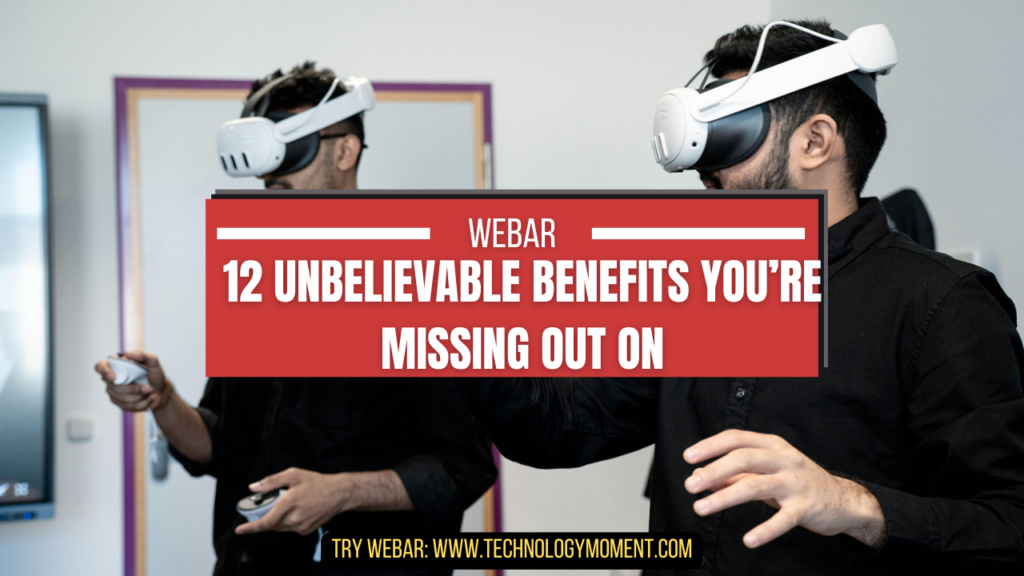
Right now, one technology is quietly changing how we interact with the digital world, and most people don’t even realize it. It’s called WebAR, or Web-based Augmented Reality. No apps. No heavy downloads. Just instant AR experiences that open directly in your browser. Sounds small? It’s a big deal.
In this article, “WebAR: 12 Unbelievable Benefits You’re Missing Out On,” we’ll explore why WebAR is becoming a trending topic across marketing, e-commerce, education, and entertainment. Brands love it. Users enjoy it. And businesses see real results. That’s a rare win-win in tech.
We’ll start with a clear introduction to WebAR, so you know exactly what it is and how it works. No assumptions. No confusion. Just the basics explained in plain English. Think of it like AR without the hassle—fast, lightweight, and accessible from anywhere in the world.
If you care about future-ready technology, immersive experiences, and smarter digital engagement, keep reading. WebAR isn’t just another buzzword. It’s a shift. And once you see the benefits, you’ll wonder how you ever ignored it.
Why WebAR Is a Global Game-Changer
WebAR is changing the way the world interacts with digital content, and it is doing it quietly but powerfully. Instead of forcing users to install heavy apps, WebAR works instantly inside a browser. That single difference removes a huge barrier for users across countries, devices, and internet speeds.
What makes WebAR truly global is accessibility. Anyone with a smartphone and internet can use it. No app store restrictions. No regional download limits. No storage issues. This makes WebAR ideal for emerging markets, where users may have limited device space or slower networks.
WebAR also speaks the universal language of experience. People do not need technical knowledge to understand it. They just scan, tap, and interact. Whether the user is in New York, Tokyo, Berlin, or Nairobi, the experience feels natural and familiar.
On top of that, brands can launch WebAR campaigns worldwide in minutes. One link. One QR code. Millions of users. That level of reach was nearly impossible before browser-based augmented reality entered the scene.
Benefit #1 – No App Downloads Required
Let’s talk about something everyone hates—downloading apps. Apps eat storage, drain data, and often get deleted within days. WebAR removes that pain completely. Users jump straight into the experience without installing anything. This “no app download” approach increases engagement instantly. When users see an AR experience and know it works with one tap, curiosity wins. There is no hesitation. No second thoughts. Just instant interaction.
For brands, this is a conversion dream. Every extra step kills interest. WebAR removes those steps. The result is higher click-through rates, longer session times, and better user satisfaction. From a global SEO perspective, this matters too. Faster access means lower bounce rates. Lower bounce rates mean better rankings. WebAR quietly supports both user experience and search performance at the same time.
Benefit #2 – Instant Access via Browser
Speed matters online. WebAR delivers experiences at the speed people expect today. A simple browser link or QR code opens a full augmented reality experience in seconds. This instant access is perfect for real-world use. Imagine scanning a product box in a store. Or opening an AR ad from a social media post. There is no delay. The experience feels smooth and modern.
Browsers are everywhere. Chrome, Safari, Firefox, Edge. WebAR works across them with ease. This makes browser-based AR ideal for global campaigns where device types vary widely. Instant access also boosts sharing. People are more likely to share something that works immediately. That organic sharing increases reach, visibility, and brand recall without extra marketing spend.
Benefit #3 – Cost-Effective AR Solutions
Traditional AR apps are expensive. They require separate builds, app store approvals, updates, and long development cycles. WebAR cuts those costs sharply. With WebAR, one experience works everywhere. Developers maintain a single codebase. Updates happen on the server. Users always see the latest version without reinstalling anything.
This makes WebAR perfect for startups, small businesses, and global brands alike. You do not need a massive budget to launch immersive AR experiences anymore. Even small campaigns can feel premium. From a business angle, WebAR delivers higher ROI. Lower development costs combined with higher engagement create a strong value loop. You spend less and gain more attention.
Benefit #4 – Cross-Platform Compatibility
Device diversity is a global reality. Some users have the latest phones. Others use older models. WebAR handles this beautifully by adapting to different platforms through the browser. WebAR works on Android, iOS, tablets, and even desktops. That means one experience can reach almost everyone, regardless of device brand or operating system.
This cross-platform compatibility simplifies marketing. Teams do not need separate strategies for different devices. One WebAR campaign works across regions and user groups. For users, this feels seamless. They do not need to check compatibility. If the browser opens, the experience works. That simplicity builds trust and encourages repeat engagement.
Benefit #5 – Better Marketing Conversions
WebAR turns passive viewers into active participants. Instead of watching ads, users interact with products in real space. That interaction builds stronger emotional connections. When people explore products in AR, they stay longer. Longer engagement leads to better understanding. Better understanding leads to confident decisions. This is why WebAR improves conversion rates.
WebAR also fits perfectly with modern digital marketing trends. It works with QR codes, social ads, influencer campaigns, and landing pages. Each touchpoint becomes interactive instead of static. From an SEO and performance marketing view, WebAR improves dwell time and engagement metrics. Search engines notice this. Brands benefit both visually and technically.
Benefit #6 – Enhanced E-Commerce Experiences
Online shopping has a big problem. Customers can’t touch, feel, or try products. WebAR fixes that gap instantly. It brings products into the customer’s real world using just a browser. No app. No delay. Just click and experience. Or trying sunglasses on your own face using your phone camera. WebAR makes this possible and surprisingly simple. Customers feel confident because they can see how a product fits their space or style.
This confidence directly boosts conversions. When shoppers know what they’re getting, they hesitate less. They buy faster. They trust the brand more. That trust is gold in global e-commerce markets. WebAR also reduces returns. Fewer surprises mean fewer refunds. For brands, that means lower logistics costs and happier customers. In short, WebAR turns browsing into believing—and believing into buying.
Benefit #7 – Seamless Social Media Integration
Social media is where attention lives. WebAR slides right into that space without friction. A user clicks a link in an Instagram bio or scans a QR code from a post, and boom—the AR experience opens in the browser. This feels natural. There’s no app store detour. No download fatigue. Just instant interaction. That’s why WebAR-powered social campaigns feel smooth and modern, not forced.
People love sharing experiences, not ads. WebAR turns marketing into something playful. Users record, screenshot, and share AR moments with friends. That organic sharing boosts reach without extra ad spend. For global brands, this is huge. One WebAR experience can work across platforms and regions. Different languages. Same magic. Social media plus WebAR becomes a growth loop that feeds itself.
Benefit #8 – Real-Time Updates Without Reinstallation
App updates are annoying. Users delay them or skip them entirely. WebAR skips this problem completely because everything runs on the web. Update once, and every user sees the latest version instantly. This gives brands incredible flexibility. Want to change pricing visuals, products, or campaigns? Do it in real time. No approvals. No waiting. No broken user experience.
For fast-moving industries like fashion, events, or tech, this speed matters. Trends change weekly. WebAR lets brands keep up without rebuilding or resubmitting apps. From a user’s point of view, it just works. They always get the newest experience. No prompts. No pop-ups. That simplicity builds trust and keeps engagement high.
Benefit #9 – Improved Analytics and Insights
WebAR doesn’t just look cool. It’s smart. Because it lives on the web, it connects easily with analytics tools like Google Analytics, heatmaps, and custom tracking systems. Brands can see how users interact with AR content. How long do they stay? Where they tap. When they leave. These insights are pure gold for decision-making.
This data helps improve products and campaigns. If users drop off early, you fix it. If they engage longer with certain features, you double down on them. Everything becomes measurable. For global businesses, analytics also reveal regional behavior patterns. What works in Europe may differ in Asia. WebAR gives you the clarity to adapt without guessing.
Benefit #10 – Scalable for Global Audiences
Scaling with apps is hard. Different devices. Different stores. Different rules. WebAR removes those barriers by running in standard browsers across the world. One WebAR experience can serve millions of users. It works on Android, iOS, tablets, and desktops. That’s true scalability without extra development layers.
Cloud hosting makes it even easier. Traffic spikes don’t break the experience. Whether it’s a global product launch or a viral campaign, WebAR handles the load. For brands with international ambitions, this is a big win. Faster launches. Lower costs. Wider reach. WebAR grows with your audience instead of holding you back.
Benefit #11 – Eco-Friendly and Sustainable
Sustainability matters more than ever. WebAR quietly supports this shift. By reducing the need for physical samples, brochures, and prototypes, it cuts waste at the source. Think about retail displays, printed catalogs, or demo units. WebAR replaces many of these with digital experiences that live online. Same impact. Less environmental cost.
It also reduces shipping and returns. When customers preview products accurately, fewer items travel back and forth. That means lower carbon emissions over time. For eco-conscious brands, WebAR aligns perfectly with green goals. It shows innovation without excess. Smart technology with a lighter footprint. That’s what the future customers want to support.
Benefit #12 – Future-Ready Technology
WebAR is not just a cool trend. It is a technology built for the future. When you invest in WebAR today, you are preparing your brand for what users will expect tomorrow. Browsers are getting smarter, devices are getting stronger, and WebAR grows with them naturally. You are not locking yourself into old systems or outdated apps.
One big reason WebAR is future-ready is its flexibility. It works with modern web standards like WebXR, WebGL, and JavaScript frameworks. As browsers improve, your WebAR experience improves too, without heavy rebuilding. That means less rework and more long-term value. It feels like planting a tree that keeps growing on its own.
WebAR also fits perfectly with trending technologies. Think AI-powered personalization, real-time data, and even Web3 integrations. Imagine a WebAR product demo that adapts to user behavior instantly. That is not science fiction anymore. It is already happening, and WebAR is at the center of it.
Another future-proof angle is accessibility. Users across the globe can access WebAR with a simple link. No app store limits. No regional restrictions. This makes WebAR ideal for global brands aiming for scale. In short, WebAR is not chasing the future. It is already living in it.
Real-World Use Cases of WebAR
WebAR shines brightest when it meets real people with real needs. In retail, WebAR lets shoppers place furniture in their room or try on shoes virtually. This builds confidence before buying. It feels natural, helpful, and fun. Customers stay longer and trust brands more.
In education, WebAR turns boring lessons into living experiences. Students can explore planets, human organs, or historical sites right from their browser. No expensive hardware needed. Learning becomes visual and memorable. This works equally well in classrooms and remote learning environments.
Real estate uses WebAR to break distance barriers. Buyers can view properties, explore layouts, and understand space without visiting in person. This saves time and money. It also helps international buyers who cannot travel easily. WebAR becomes a silent but powerful sales assistant.
Events and entertainment also benefit heavily. Concerts, exhibitions, and brand launches use WebAR for interactive storytelling. Users scan a QR code and enter a digital layer of the event. It boosts engagement and social sharing. The experience stays with users long after the event ends.
Challenges of WebAR (And How to Overcome Them)
WebAR is powerful, but it is not magic. Performance can be a challenge on older devices. Heavy 3D models may load slowly. The solution is smart optimization. Lightweight assets and good compression make a huge difference. Simple design often works better than complex visuals.
Browser compatibility can also feel tricky. Not all browsers support the same features equally. But this gap is closing fast. Testing across major browsers solves most issues. Progressive enhancement ensures users still get value even on limited devices.
Internet speed is another concern, especially in developing regions. WebAR depends on connectivity. Using content delivery networks and caching helps a lot. You can also design experiences that load in stages. This keeps users engaged while content loads.
The final challenge is awareness. Many users still do not know what WebAR is. The fix is simple storytelling. Clear instructions and friendly prompts guide users smoothly. Once people try WebAR, they usually love it. Education turns hesitation into excitement.
How to Get Started with WebAR
Starting with WebAR is easier than it sounds. You do not need a massive team or budget. Many WebAR platforms offer no-code or low-code solutions. You can create simple experiences using browsers and cloud tools. This lowers the entry barrier for everyone.
First, define your goal. Do you want better marketing engagement or product visualization? Clear goals shape better WebAR experiences. Keep the first project simple. A single interactive element works better than an overloaded scene.
Next, choose the right tools. Popular WebAR frameworks support image tracking, face filters, and surface detection. Pair them with modern web hosting. This gives you speed and scalability from day one. You stay flexible as your project grows.
Finally, test with real users. Feedback reveals what works and what feels confusing. Small improvements create a big impact. WebAR rewards experimentation. Each update brings you closer to an experience users truly enjoy.
Conclusion – WebAR 12 Unbelievable Benefits
WebAR is changing how people interact with the digital world. It removes friction, boosts engagement, and scales globally with ease. From marketing to education, its impact is real and measurable. It speaks the language of modern users who want instant value.
The beauty of WebAR lies in its simplicity. No apps. No barriers. Just immersive experiences delivered through the web. It fits perfectly into today’s fast-moving digital landscape. Brands that adopt it early gain a clear advantage.
If you want technology that grows with you, WebAR is a smart choice. It is flexible, future-ready, and user-friendly. The question is no longer why WebAR matters. The real question is how long you can afford to ignore it.
FAQs
What makes WebAR different from traditional AR?
WebAR runs directly in the browser. Users do not download apps. This makes access faster and easier for everyone.
Is WebAR suitable for small businesses?
Yes, WebAR is cost-effective and scalable. Small businesses can start with simple experiences and grow gradually.
Does WebAR work worldwide?
Absolutely. Any user with a modern browser and internet access can use WebAR, making it ideal for global audiences.
Is WebAR safe and secure?
WebAR follows standard web security practices. HTTPS, browser permissions, and sandboxing help keep users safe.
Will WebAR replace mobile apps?
WebAR will not replace apps entirely. But it will reduce dependency on apps for many use cases, especially marketing and demos.